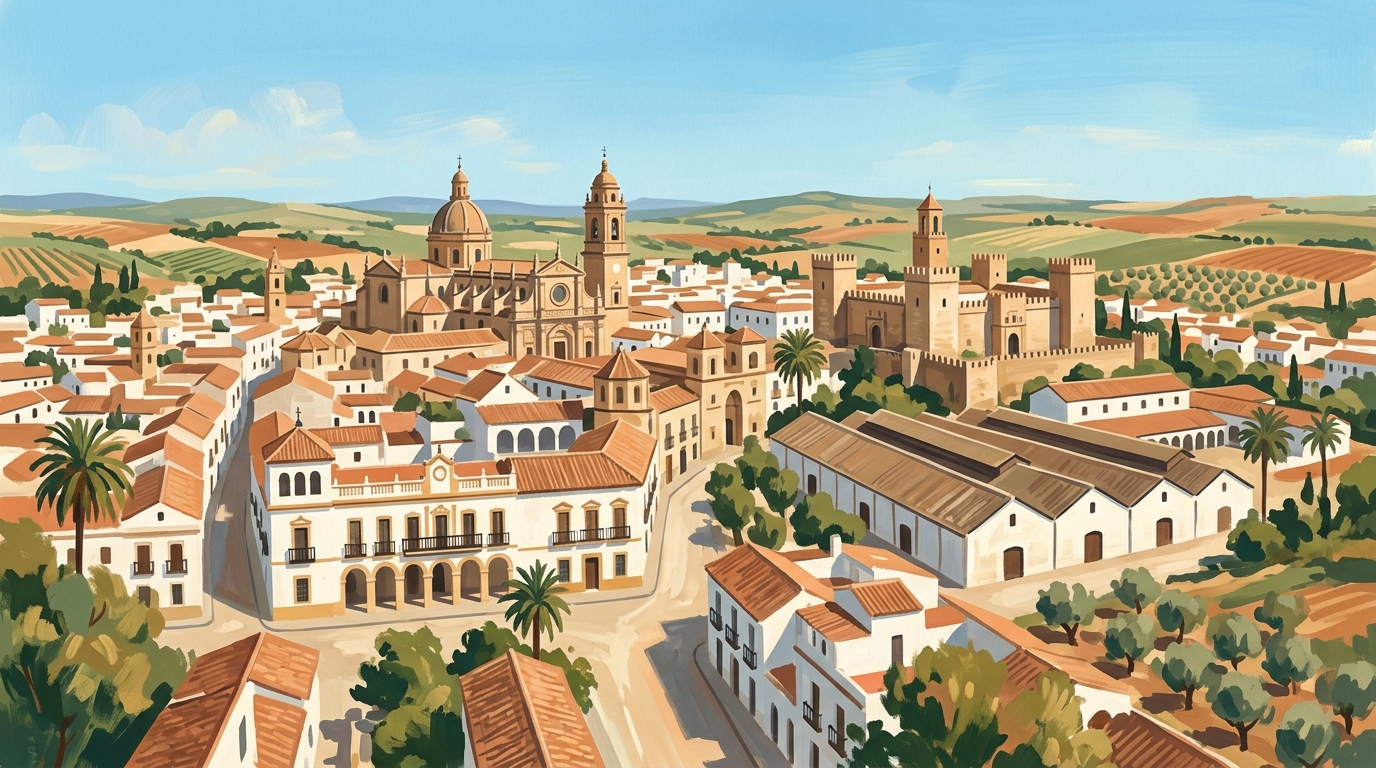
Jerez de la Frontera represents the cultural soul of Cádiz through its world-renowned fortified wines and elite equestrian traditions. It remains the geographical and spiritual heart of the Sherry Triangle, offering an authentic look at Andalucían life away from the coastal resorts.
Jerez de la Frontera is often defined by three distinct pillars: sherry, horses, and flamenco. While its coastal neighbours in the province of Cádiz draw crowds for Atlantic beaches, Jerez remains the sophisticated anchor of the region. It is a city of wide, orange-tree-lined boulevards and aristocratic palaces that reflect its past wealth as a global wine-exporting hub. The city’s name, derived from the Arabic 'Sherish', is the root of the word 'Sherry', and the liquid gold produced in its vast cellars has shaped the urban landscape for centuries.
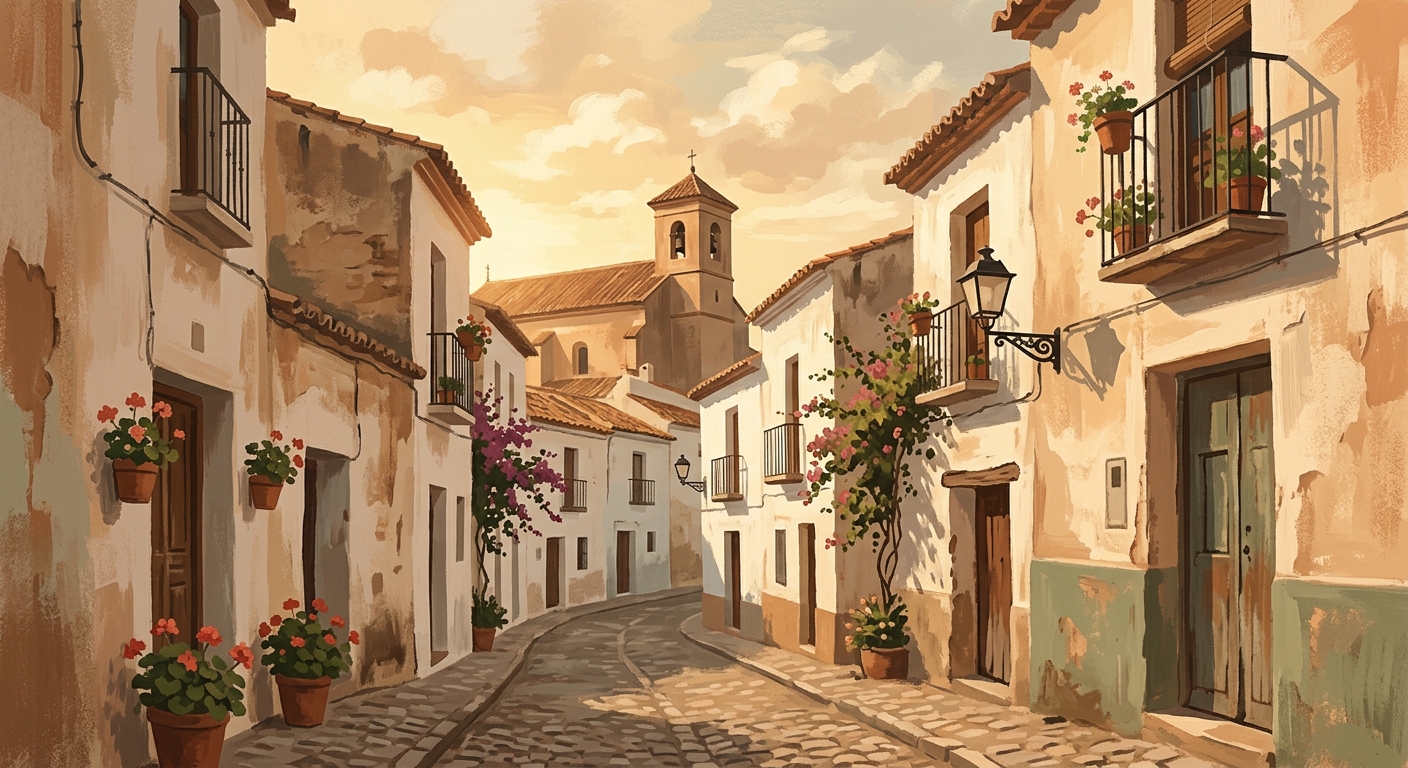
Strategically positioned between the Atlantic coast and the mountains of the Sierra de Cádiz, Jerez has a layered history that stretches back to the Phoenicians. However, it was during the Moorish period and the subsequent Christian Reconquest in 1264 that the city developed its fortified identity as a 'frontier' town (de la Frontera). Today, visitors find a city that manages to feel both grand and intimate, where the smell of fermenting grapes often drifts through the streets of the old quarters.
What to See & Do
The World of Sherry: Bodegas and Soleras
The sherry industry is the lifeblood of Jerez. The wineries here are known as 'cathedrals' due to their immense scale, soaring ceilings, and arched corridors designed to naturally regulate the temperature of the aging barrels. Unlike standard wine cellars, these buildings are situated above ground to catch the ocean breezes from the Atlantic, which help maintain the necessary humidity for the 'flor'—the layer of yeast that protects the wine.
González Byass is the most prominent winery, located near the Alcázar. Founded in 1835, it is the home of Tío Pepe. A tour here takes you through the 'La Concha' cellar, designed by Gustav Eiffel, and the famous 'Los Apóstoles' bodega. You might also see the mice that are famously fed sherry from small glasses, a tradition kept alive for decades. For a more boutique experience, consider Bodegas Lustau or Bodegas Tradición, the latter of which features a private art collection including works by Goya and Velázquez alongside its venerable VORS (Very Old Rare Sherry) wines.
The Royal Andalucían School of Equestrian Art
Located in the north of the city, the Real Escuela Andaluza del Arte Ecuestre is a world-class institution dedicated to the preservation of the Spanish horse. The school is situated within the Recreo de las Cadenas, a 19th-century palace complex designed by Charles Garnier, the architect of the Paris Opera. The highlight is the show, 'How the Andalusian Horses Dance', an equestrian ballet where riders in 18th-century costumes perform classical dressage movements like the 'capriole' and 'courbette'.
Even if you cannot attend a performance, a visit to the stables, the tack room, and the Carriage Museum provides insight into the rigorous training required for both horse and rider. The school focuses on the 'Pura Raza Española', a breed renowned for its intelligence and agility, often referred to as the 'Cartujano' horses after the Carthusian monks who preserved the bloodline for centuries.
The Alcázar and Cathedral
The 11th-century Alcázar de Jerez is the oldest preserved building in the city. This Almohad fortress features a defensive wall, a parade ground, and a perfectly preserved mosque that was later converted into a chapel by King Alfonso X. The Arab baths within the complex are particularly noteworthy for their star-shaped roof vents. For a panoramic view of the city, the palace’s Villavicencio Tower contains a Camera Obscura, which projects real-time images of the city streets onto a concave screen.
Adjacent to the Alcázar is the Cathedral of San Salvador. Built in the 17th century, it is a grand structure that combines Baroque, Neoclassical, and Gothic elements. It was funded largely by the wine trade, which explains its sheer scale. Inside, look for Zurbarán’s painting 'The Virgin of the Rose' in the sacristy.
Authentic Flamenco in San Miguel and Santiago
Jerez is widely regarded as one of the birthplaces of flamenco, specifically the 'cante jondo' (deep song). Unlike the commercial shows found in larger cities, flamenco in Jerez is often experienced in 'peñas' (private clubs) or small 'tabancos'. The neighbourhoods of San Miguel and Santiago are the traditional gitano quarters where the art form remains a part of daily life. The Centro Andaluz de Flamenco, located in the Plaza de San Juan, offers a scholarly look at the history of the dance and song, while the streets themselves are home to statues of local legends like Lola Flores.
Practical Information
Opening Times:
- Alcázar: Generally open Monday to Sunday. From October to June: 09:30–14:30. From July to September: Monday to Friday 09:30–17:30, Saturday and Sunday 09:30–14:30.
- Cathedral: Monday to Saturday 10:00–18:30, Sunday 13:00–18:30.
- Royal Equestrian School: Training sessions usually take place Monday to Friday (except show days) from 10:00–14:00. Shows typically occur on Thursdays (and some Tuesdays/Fridays) at 12:00.
Ticket Prices:
- Alcázar: Approximately €5.00 for the complex; €7.00 including the Camera Obscura.
- Royal Equestrian School: Training visits are around €19.00. Show tickets range from €21.00 to €37.00 depending on seating.
- Bodegas: Tours at González Byass start at approximately €24.00, including tastings.
How to Get There:
Jerez is exceptionally well-connected. The Jerez Airport (XRY) is just 8km north of the city centre. By train, Jerez is on the high-speed line between Madrid and Cádiz, with frequent RENFE services from Seville (1 hour) and Cádiz (45 minutes). If driving, the AP-4 motorway links the city to Seville, and the A-381 provides access from the Costa del Sol.
Parking:
Driving in the historic centre is difficult due to narrow one-way streets. It is advisable to use underground car parks such as those at Plaza del Arenal, Alameda Vieja, or Plaza de Mamelón. Rates average around €2.20 per hour or €10.00 for a full 24-hour stay.
Where to Eat Nearby
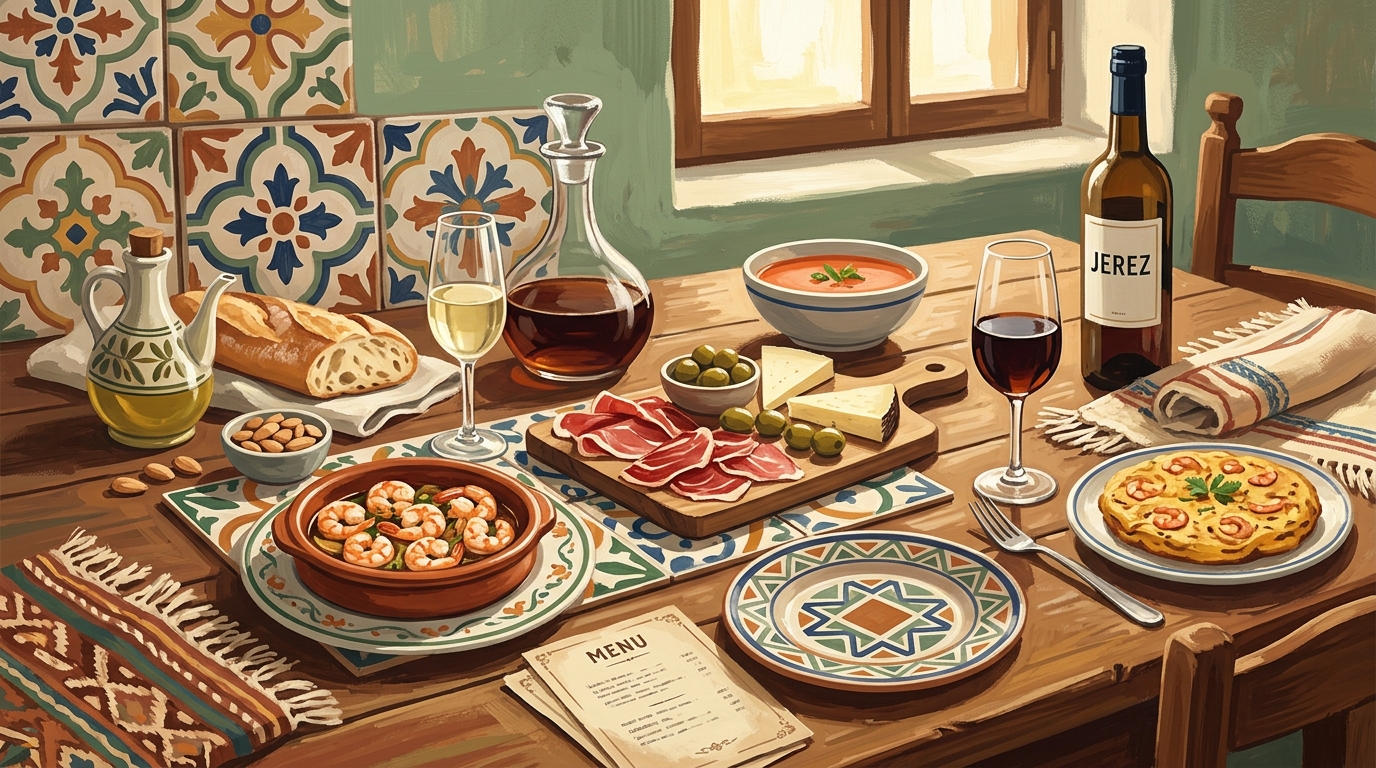
To eat like a local, seek out the city's Tabancos—traditional sherry bars that once sold wine exclusively in bulk. Tabanco El Pasaje on Calle Santa María is a standout; it features daily live flamenco performances (usually free with a drink) and serves local cheeses, cecina, and chicharrones on wax paper. For a more formal dining experience, La Carboná is located in a converted sherry bodega. It specialises in 'Cocina de Jerez', where every dish—from the grilled meats to the desserts—is prepared with or paired with a specific variety of sherry. Another excellent option is Albores on Calle Consistorio, which offers modern twists on traditional Andalucían tapas using seasonal produce from the local market.
Where to Stay
For a unique experience, the Hotel Bodega Tío Pepe is the world’s first sherry hotel, integrated into the González Byass winery complex and featuring a rooftop pool with views of the Cathedral. Those seeking traditional luxury should consider Palacio Garvey, a 19th-century aristocratic residence in the heart of the city with just 16 rooms. For a boutique feel, Casa Palacio María Luisa is the city's only five-star Grand Luxury hotel, set in a beautifully restored neoclassical mansion.