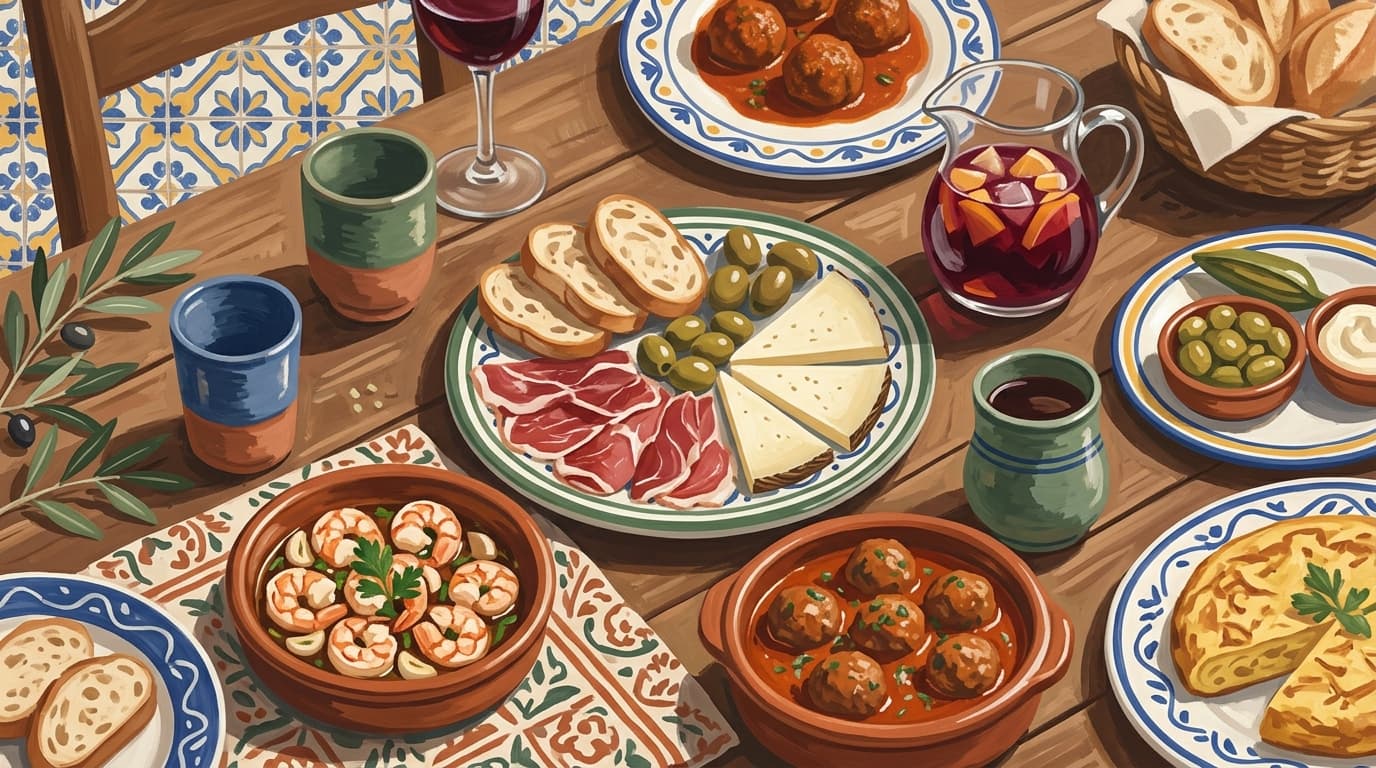
food drink
Beyond the Tapas Bar: A Journey Through the Flavours of Andalucía
Discover the essential dishes of Southern Spain, from the chilled salmorejo of Córdoba to the smoky espetos of the Málaga coast.
food drink
Beyond the Tapas Bar: A Journey Through the Flavours of Andalucía
14 April 2026 · 7 min read · 1,462 words
Eating in Andalucía is about more than just surviving the summer heat; it is an exploration of a landscape defined by olive groves, Atlantic tides, and mountain pastures. From the cold, garlic-spiked soups of the valley to the skewered sardines of the coast, every dish tells a story of seasonal necessity and local pride.
To understand Andalucían cuisine, one must first understand the concept of la despensa—the larder. This is a region where the ingredients dictate the menu, and the geography is so varied that a two-hour drive can take you from the high-altitude, salt-cured hams of the Alpujarras to the saltwater-slicked frying stalls of the Cádiz coast. The Moorish influence remains the backbone of the kitchen here; it was the people of Al-Andalus who introduced irrigation, citrus, almonds, and the sophisticated spice profiles that elevate simple rural cooking into something extraordinary.
While the world knows Spain for its tapas, the true heart of the south lies in its regional specialities. These are dishes born from the fields, the pastures, and the small fishing boats known as jabeque. Whether it is a bowl of chilled tomato soup to ward off the July sun or a slow-braised bull’s tail eaten in the shadow of a bullring, eating here is a ritual. It is less about fancy plating and more about the quality of the Hojiblanca olive oil, the freshness of the boquerones (anchovies), and the skill of a chef who knows exactly how long to leave a stew on the flame.
The Cold Soups: Gazpacho and Salmorejo
In the height of summer, when the thermometer in Seville or Córdoba pushes past 40°C, the kitchen stove is the enemy. This necessity birthed two of Spain’s most famous exports. Gazpacho is the better known of the two, typically served as a drink in a glass or a thin soup in a bowl. It is a liquid salad of tomatoes, cucumbers, green peppers, garlic, and vinegar. In its most traditional form, it is refreshing, sharp, and meant to rehydrate. [AFFILIATE: restaurant booking in Sevilla]
However, head to Córdoba and you will find Salmorejo. Do not mistake this for a thick gazpacho; it is a different beast entirely. Made primarily of tomatoes, bread, garlic, and copious amounts of extra virgin olive oil, it has a creamy, emulsified texture similar to mayonnaise. It is served in a bowl (€) and almost always topped with jamón serrano (cured ham) and chopped hard-boiled egg. The secret lies in the Pan de Telera, a local sourdough with a dense crumb that provides the perfect body. For a variant, look for Ajo Blanco in Málaga—a pale, silky cold soup made from almonds and garlic, often served with green grapes or slices of melon to balance the pungency.
Pescaíto Frito: The Art of the Fry
Along the coasts of Cádiz and Málaga, frying fish is not merely a cooking method; it is a fine art. Pescaíto frito consists of small fish dusted in harina de almorta (chickpea flour) or fine wheat flour and flash-fried in blistering hot olive oil. The result should be crisp, golden, and entirely grease-free. [AFFILIATE: restaurant booking in Cádiz]
A typical fritura mixta (mixed fry) will include boquerones (anchovies), puntillitas (tiny baby squid), choquitos (cuttlefish), and rosada (pink cusk-eel). One dish to seek out specifically is Cazón en adobo—dogfish marinated in cumin, oregano, garlic, and vinegar before being fried. In Cádiz, this is often called bienmesabe (literally 'it tastes good to me'), and it offers a tangy, punchy contrast to the simpler fried white fish found elsewhere. Price-wise, these are often served as raciones (large portions) to share (€€).
Rabo de Toro: A Cordobés Classic
The tradition of Rabo de Toro (oxtail or bull’s tail) is inextricably linked to the bullfighting culture of Córdoba and Ronda. Historically, after the fight, the tail would be given to the poor or sold cheaply. Today, it is a delicacy served in the finest dining rooms (€€€).
The tail is slow-cooked for hours in a rich reduction of red wine, onions, leeks, and carrots. The meat should be 'falling off the bone' tender, gelatinous, and deeply savoury. It is usually served with hand-cut chips to soak up the dark, glossy sauce. Every family and restaurant has a secret ingredient—some add a hint of dark chocolate, others a pinch of cloves—but the result is always the ultimate Andalucían comfort food. [AFFILIATE: restaurant booking in Córdoba]
Pringá: The Soul of the Stew
To understand Pringá, you must first understand Cocido Madrileño’s southern cousin, the Puchero Andaluz. This is a massive pot of chickpeas, vegetables, and various meats—beef, pork fat, chorizo, and morcilla (black pudding). The Pringá is the 'second act' of this meal.
The cooked meats and fats are taken out, shredded together into a sort of rustic pâté, and served either on a plate or, more commonly, tucked into a small crusty roll known as a Montadito de Pringá (€). It is rich, heavy, and intensely salty. In Seville, eating a montadito of warm pringá with a cold glass of caña (small beer) is a mid-morning rite of passage.
Migas: From Pasture to Plate
Originally a humble breakfast for shepherds, Migas (meaning 'crumbs') is now a beloved lunch dish across the eastern provinces of Granada and Almería. There are two main versions: Migas de pan (made with soaked breadcrumbs) and Migas de harina (made with semolina flour).
The crumbs are fried with garlic and olive oil until they form small, toasted nuggets. What makes Migas special are the accompaniments, or tropezones. Depending on where you are, your bowl (€€) might be topped with fried green peppers, spicy longaniza sausage, pomegranate seeds, or even fried sardines. It is a dish designed to be eaten slowly, ideally on a rainy day, which is the traditional time locals say Migas should be prepared.
Espetos: The Taste of the Málaga Coast
If you walk along the beaches of the Costa del Sol, you will see old fishing boats filled with sand and glowing embers. These are the stages for Espetos de Sardinas. This is Málaga’s most iconic contribution to Spanish gastronomy. [AFFILIATE: restaurant booking in Málaga]
Fresh sardines are skewered onto bamboo canes (cañas) and tilted over the olive-wood fire. The amoragador (the person tending the fire) ensures the salt-crusted skin blisters and smokes without the flesh drying out. There is a local rule: only eat espetos in months without an 'R' (May to August), as this is when the sardines are at their fattiest and most flavourful. They are best enjoyed with your fingers, standing on the sand at a chiringuito (beach bar) with a twist of lemon and a cold drink (€).
Ordering Like a Local
Navigating an Andalucían menu requires a bit of strategy. Most places offer three sizes: a tapa (a small snack), a media ración (half portion), and a ración (full plate). If you are a group of four, ordering three or four raciones to share is the standard. If you are a couple, medias raciones allow you to sample more variety.
Timing is everything. Lunch (la comida) is the main event, usually starting around 2:00 PM and stretching late into the afternoon. Dinner is a lighter affair, rarely beginning before 9:00 PM. Don't expect to find the kitchen open for dinner at 6:00 PM; you'll likely only find 'tourist traps' serving at those hours. When paying, a small tip of a few euros is appreciated, but not mandatory. Above all, look for the sugerencias del día (daily suggestions) scrawled on a chalkboard—that is where the freshest seasonal ingredients will be hiding.
Where to Find the Best
Sevilla
- Bodeguita Romero: Famous for arguably the best Montadito de Pringá in the city. A classic, standing-room-only spot. (€)
- Las Teresas: Located in the Santa Cruz quarter, this is the place for espinacas con garbanzos (spinach with chickpeas) and top-tier jamón. (€€)
Cádiz
- Casa Manteca: An institution in the Viña neighbourhood. Order the chicharrones especiales (thinly sliced slow-roasted pork) served on wax paper. (€€)
- Freiduría Las Flores: The gold standard for pescaíto frito. You can buy it by weight in a paper cone to take away. (€)
Málaga
- El Pimpi: While popular with visitors, this sprawling bodega remains a must for a glass of Málaga Virgen sweet wine and local cheeses. (€€)
- Chiringuito El Tintero: A unique experience in El Palo where waiters shout out the dishes and you 'bid' for them as they pass. Excellent for espetos. (€€)
Córdoba
- Taberna San Miguel (Casa El Pisto): A historic tavern perfect for Salmorejo and Rabo de Toro. The walls are covered in bullfighting memorabilia. (€€)
- Bodegas Mezquita: Offers a modern take on traditional Cordobés dishes right next to the Mosque-Cathedral. (€€) [AFFILIATE: restaurant booking in Córdoba]
More guides
Where to Eat in Nerja: A Food Lover’s Guide to the Axarquía Coast
From wood-fired paella on the sands of Burriana to the crowded tapas bars of the old quarter, Nerja offers an authentic taste of the Málaga coastline.
6 min read
Read guide →
The Art of the Andalucían Breakfast and Merienda
To understand the soul of Andalucía, one must sit at a crowded bar at 10:00 am and wait for the scent of toasted bread and olive oil. It is a daily ritual that prioritises the simple pleasure of a slow morning over the rush of the working day.
6 min read
Read guide →
The Best Places to Eat in Jaén: A Guide to the World Capital of Olive Oil
Jaén remains one of the few places in Spain where the tradition of the free tapa is still treated with reverence. It is a city defined by its golden olive oil and a stubborn commitment to honest, seasonal cooking.
6 min read
Read guide →
Jamón Ibérico: The Ultimate Guide to Andalucía’s Cured Gold
Discover the art of Jamón Ibérico, from the acorn-fed pastures of Jabugo to the high-altitude curing rooms of Trevélez. Learn how to decode the colour-coded labels and where to find the finest hand-carved plates in Andalucía.
6 min read
Read guide →
A Guide to Eating in Almería: Tapas, Seafood, and Desert Traditions
Discover the unique food culture of Almería, from the tradition of free-choice tapas to the legendary 'cherigan' toast and the freshest red prawns in the Mediterranean.
7 min read
Read guide →
A Calendar of Flavour: The Best Food Festivals in Andalucía
From the smoky beach fires of Málaga to the prestigious ham auctions in Huelva, Andalucía’s food festivals offer a seat at the table of the region’s most authentic traditions.
7 min read
Read guide →
A Guide to Seasonal Eating in Andalucía
Discover the culinary calendar of Andalucía, from the sun-drenched tropical fruits of Granada to the smoky chestnut festivals of the Sierra mountains.
6 min read
Read guide →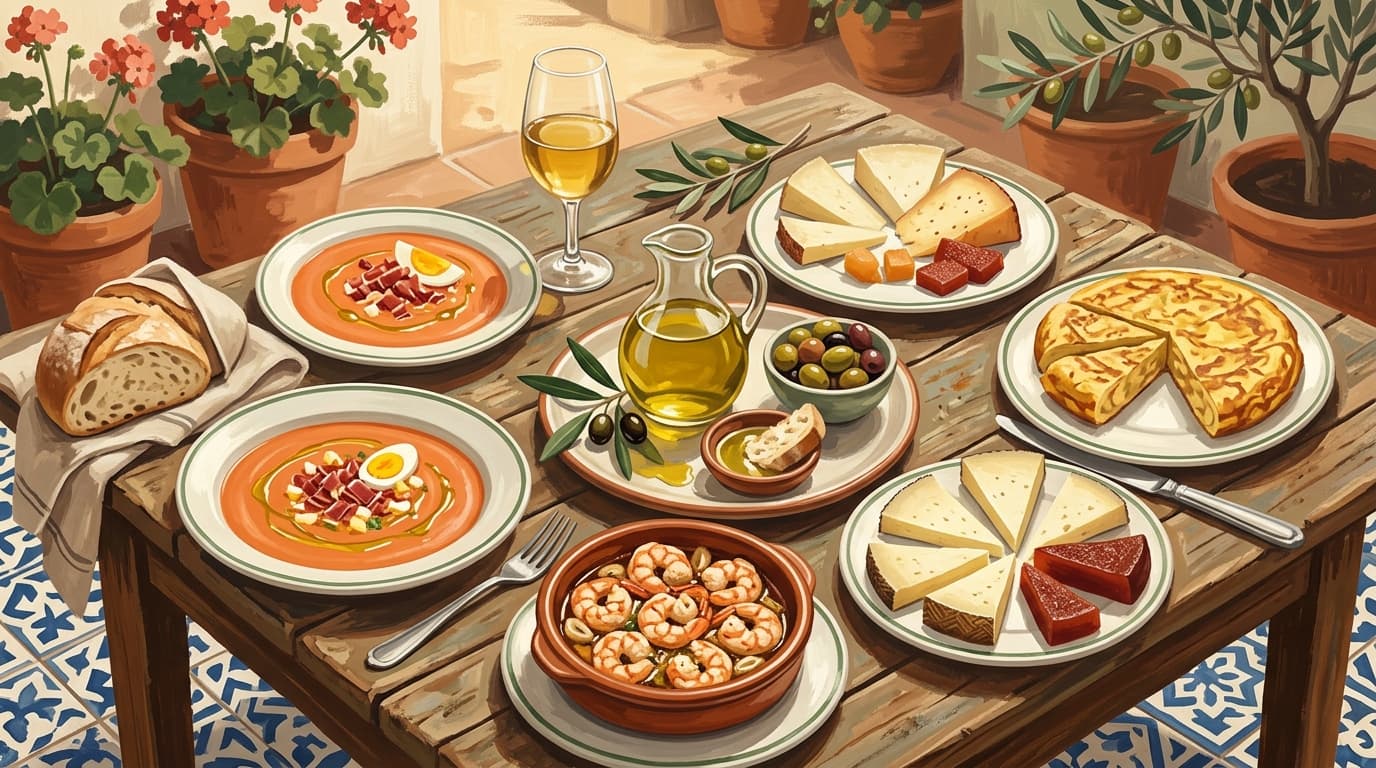
The Liquid Gold of Andalucía: A Deep Dive into the World’s Best Olive Oil
Discover the secrets of Andalucía's liquid gold, from the vast groves of Jaén to the art of the perfect breakfast tostada. This guide covers varieties, harvest secrets, and the best mills to visit.
6 min read
Read guide →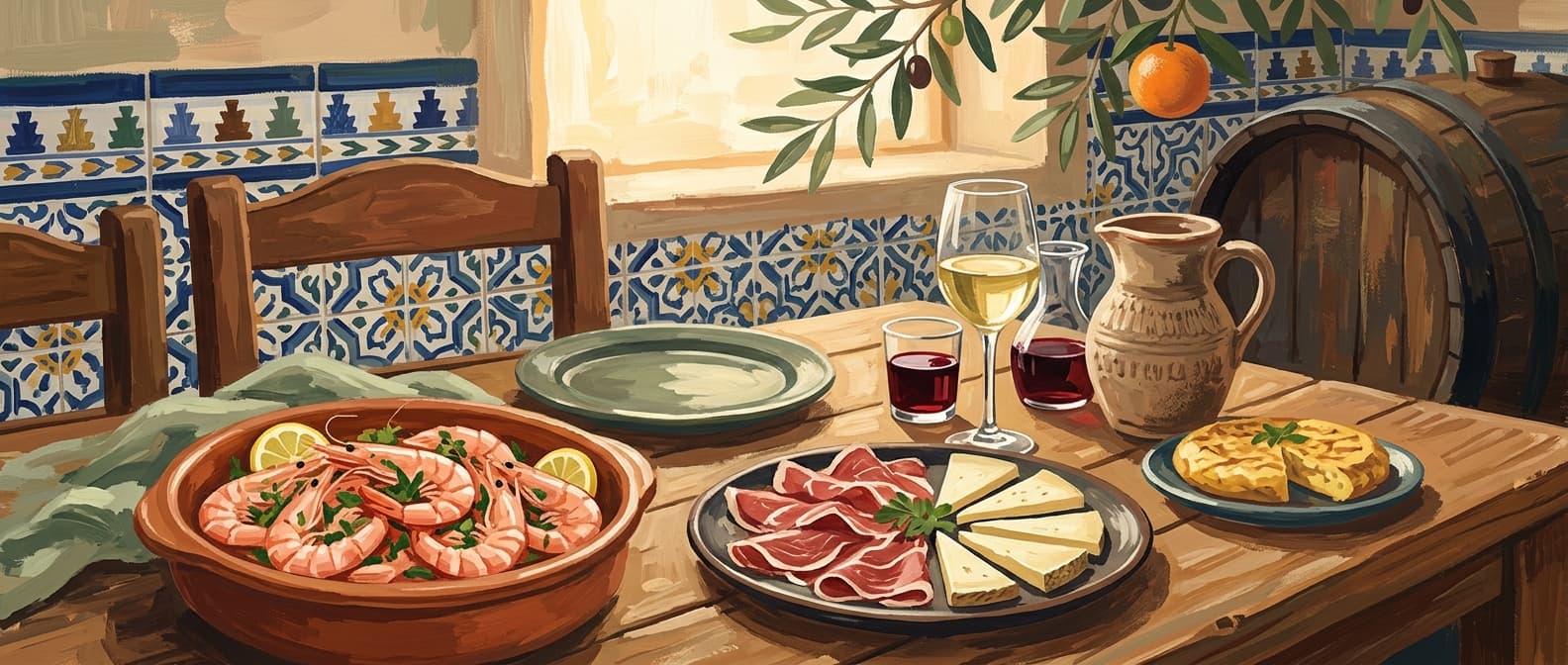
Where to Eat in Huelva: From Atlantic Prawns to the Heights of Jabugo
Discover the culinary secrets of Spain's southwestern corner, where the Atlantic's finest white prawns meet the world's best acorn-fed ham.
6 min read
Read guide →Newsletter
More stories from Andalucía
Weekly notes, seasonal picks, and the next guides worth bookmarking.