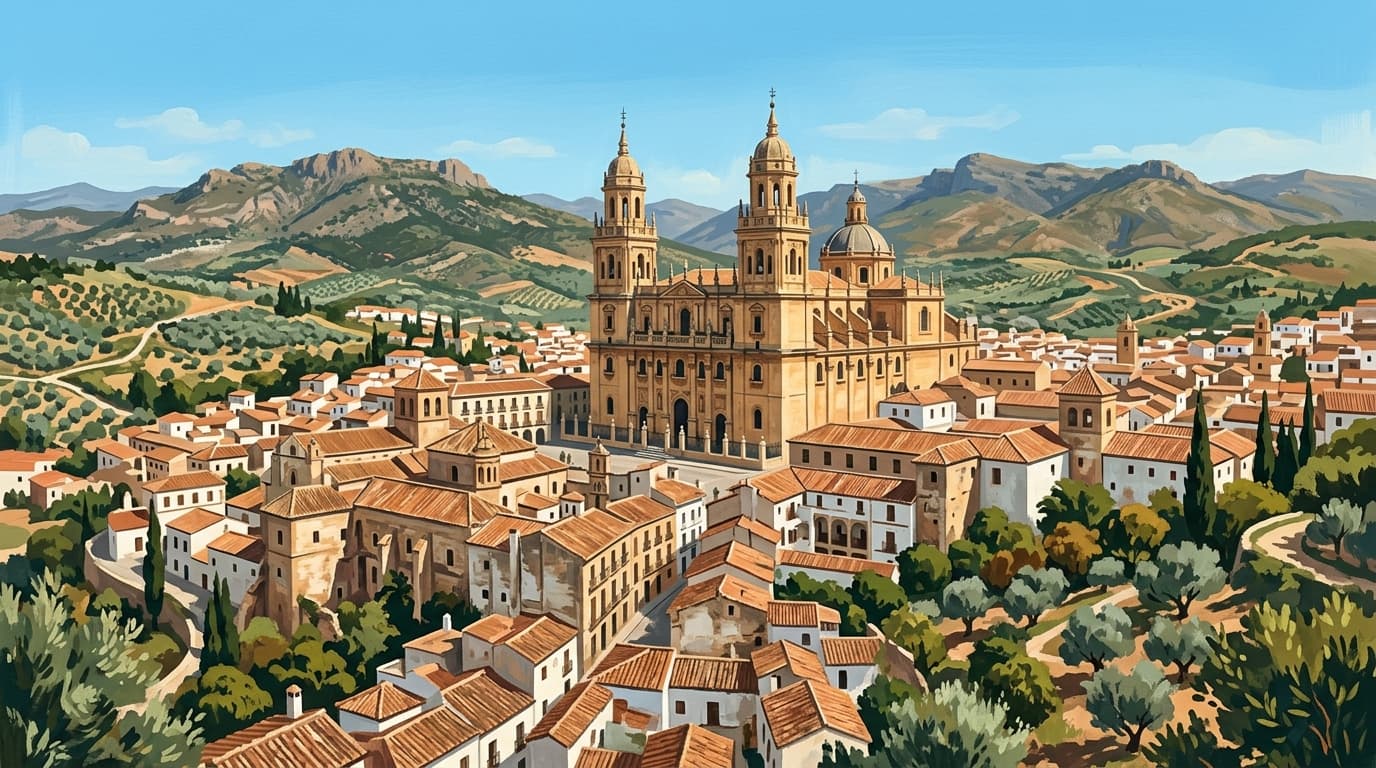
Jaén Cathedral stands as the definitive blueprint for Latin American Renaissance architecture, a triumph of proportion and light designed by Andrés de Vandelvira. Its golden stone façade dominates the city skyline, housing one of Christendom's most significant relics, the Holy Face.
To stand in the Plaza de Santa María is to witness the absolute peak of the Spanish Renaissance. Jaén Cathedral, or the Catedral de la Asunción de la Virgen, is not merely a place of worship; it is an architectural manifesto. While the grand cathedrals of Seville or Granada often capture the headlines, Jaén offers something rarer: a sense of perfect mathematical harmony. Largely the work of the master architect Andrés de Vandelvira, the building served as the primary model for the great colonial cathedrals across the Atlantic, influencing the design of major temples in Mexico City, Puebla, and Bogotá.
Construction began in the 16th century on the site of a former mosque, but unlike many Spanish cathedrals that took centuries to complete and ended up as a patchwork of styles, Jaén maintains a remarkable stylistic consistency. Even though work continued into the 18th century, the successive architects remained faithful to Vandelvira’s original vision. This dedication resulted in a structure that feels unified, light-filled, and surprisingly modern in its clean lines and open spaces.
What to See and Do
The Main Façade
Before entering, spend time examining the west front, designed by Eufrasio López de Rojas in the late 17th century. It is a transition from the strict Renaissance to a more decorative Baroque style. The scale is immense, intended to project the power of the Church and the importance of the relic housed within. Look for the nine statues of the Evangelists and the Fathers of the Church that crown the upper level, sculpted by Pedro Roldán. The central balcony is particularly important, as it was designed specifically for the public display of the Holy Face relic to the crowds gathered in the square below.
The Interior and Vandelvira's Columns
Stepping inside, the first thing many visitors notice is the quality of light. Vandelvira designed the cathedral as a hallenkirche (hall church), where the aisles are nearly as tall as the central nave. This creates an expansive, airy volume. The pillars are perhaps the most famous feature: slender, cruciform columns topped with Corinthian capitals that support a complex system of elegant vaults. The geometry here is impeccable; there is no dark, heavy Gothic atmosphere here, only a pale, golden stone that seems to glow even on overcast days.
The Sacristy and Chapter House
For scholars of architecture, the Sacristy is the cathedral’s most important room. Vandelvira considered this his finest work, and it is easy to see why. It features a stunning barrel vault supported by double rows of columns, creating a space that feels more like a classical Roman hall than a traditional church room. Adjacent to it is the Chapter House, featuring an equally impressive stone-carved ceiling. These rooms demonstrate the absolute technical mastery of 16th-century stonemasons, with every joint and curve fitting together with surgical precision.
The Holy Face (Santo Rostro)
The cathedral is the keeper of the Santo Rostro, or the Holy Face of Jaén. According to tradition, this is the veil used by Saint Veronica to wipe the sweat from Christ’s face during the Passion, leaving his image imprinted on the fabric. The relic is kept in a highly secure, ornate reliquary behind the high altar in the main chapel. While it is rarely removed from its vault, it is traditionally shown to the public every Friday morning. Even if you aren't visiting on a Friday, the Main Chapel remains a point of deep spiritual significance and artistic beauty, framed by a massive silver-plated altarpiece.
The Choir Stalls
Occupying a significant portion of the central nave, the choir stalls (Sillería del Coro) are among the largest and most detailed in Spain. Carved primarily from walnut in the 18th century, the stalls depict scenes from the Old and New Testaments. The craftsmanship is extraordinary, from the expressive faces of the figures to the intricate floral motifs along the armrests. It is worth circling the exterior of the choir as well, to see the trascoro, which features a large painting by Mariano Salvador Maella.
The High Galleries and Museum
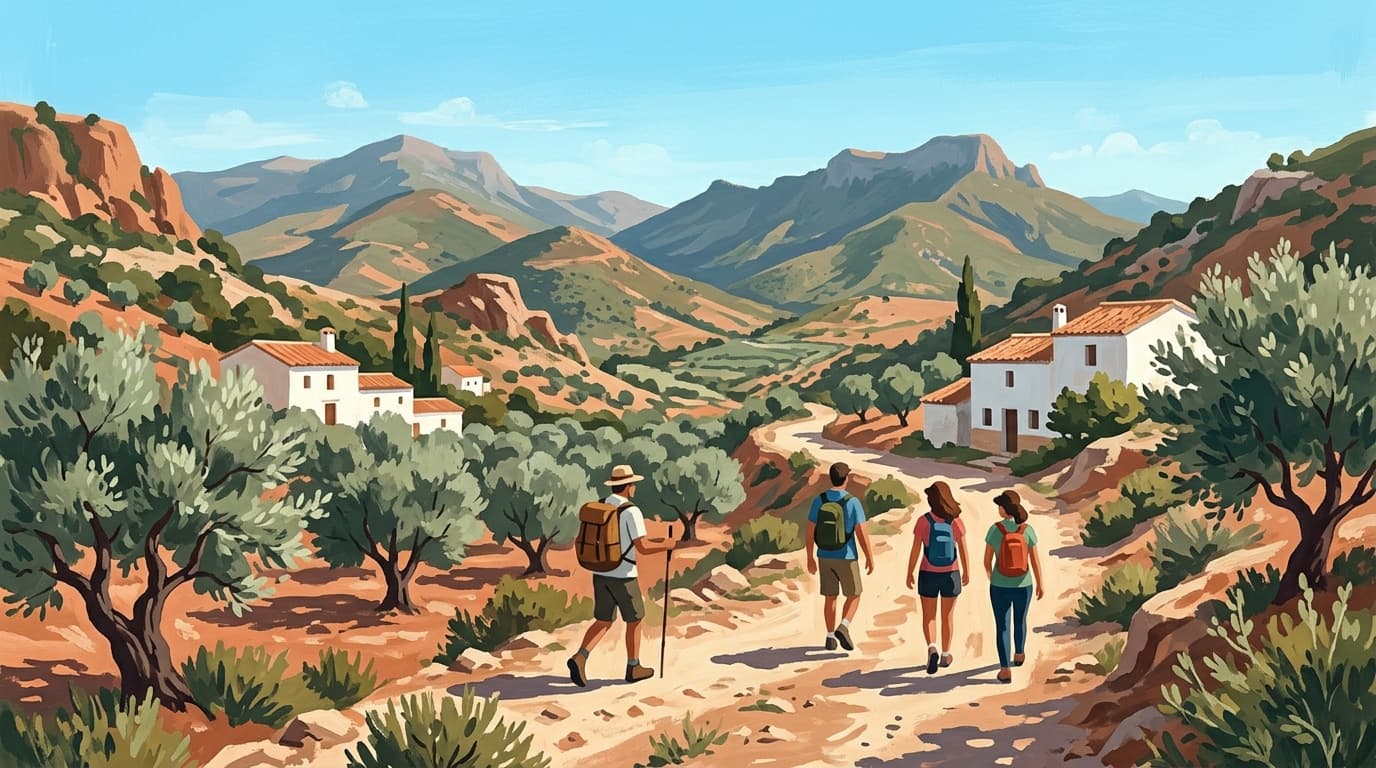
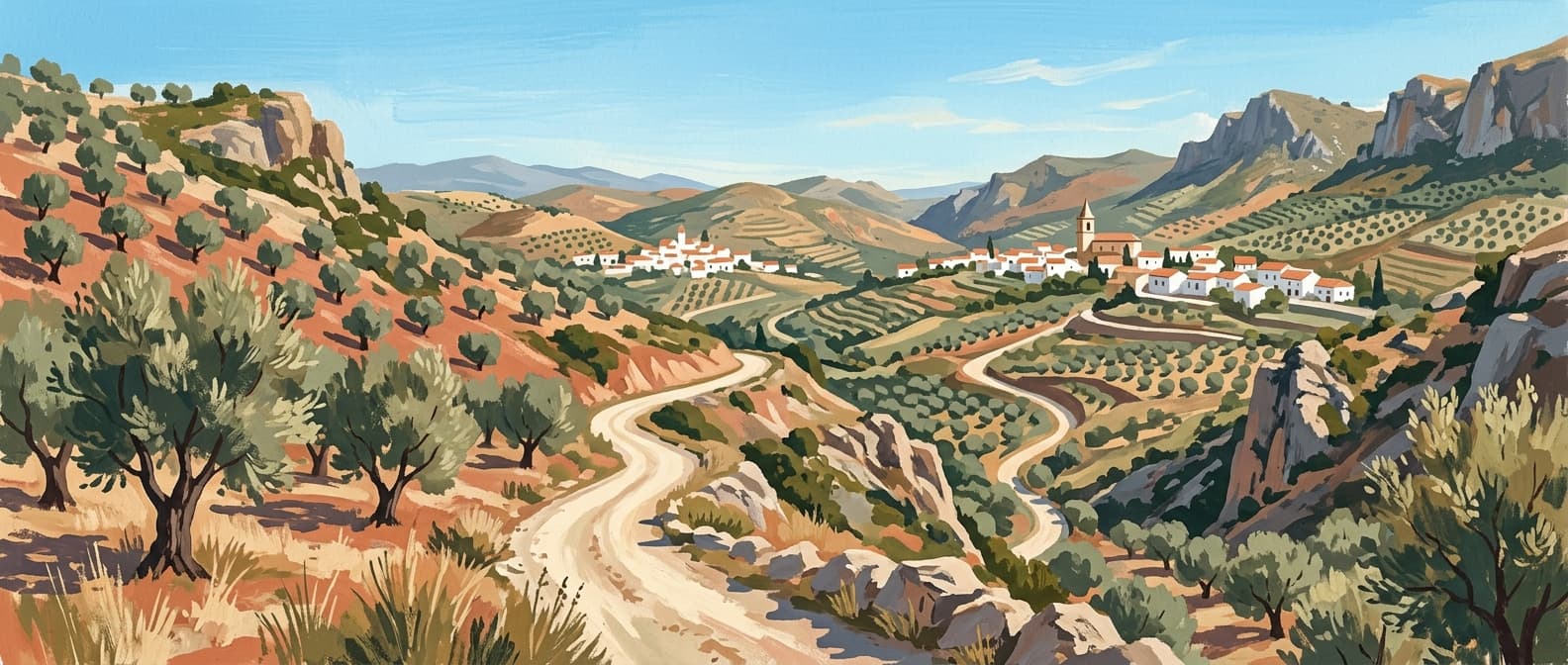
One of the most unusual features of Jaén Cathedral is the system of high galleries that run around the interior and exterior of the building. These walkways allowed for the surveillance of the temple and provided a space for the nobility to view processions from a privileged height. Today, visitors can take a guided tour to these upper levels. The experience provides a unique perspective on the construction of the vaults and offers some of the best panoramic views of the city, the surrounding olive groves, and the Santa Catalina castle on the hill above. Below the cathedral, the old pantheon of canons now serves as a museum, displaying a collection of religious art, including pieces by Pedro de Machuca.
Practical Information
Opening Times: The cathedral typically opens Monday to Friday from 10:00 to 14:30 and 16:30 to 19:30 (winter) or 17:00 to 20:00 (summer). On Saturdays, it remains open throughout the day from 10:00 to 19:30. Sundays have more limited hours, usually 14:00 to 19:00, to accommodate regular services. It is wise to check for liturgical changes, especially during Holy Week.
Ticket Prices: General admission is €8, which includes a comprehensive audio guide. There is a reduced rate of €7 for seniors (over 65) and €6 for young people (ages 13–25). Children under 12 enter for free with an adult. If you wish to visit the high galleries, you will need to book a specific guided tour, which typically costs around €17 and includes general entry.
How to Get There: The cathedral is located in the heart of the old town at Plaza Santa María. Most of the surrounding streets are pedestrianised or very narrow. If you are staying in the city centre, the building is easily reached on foot. If coming from the train or bus station, it is a 15–20 minute walk uphill or a short taxi ride.
Parking: Do not attempt to drive directly to the cathedral. The most convenient public car parks are Parking Victoria on Calle Hurtado or the car park beneath Plaza de la Constitución. Both are roughly a five-minute walk from the cathedral entrance.
Where to Eat Nearby
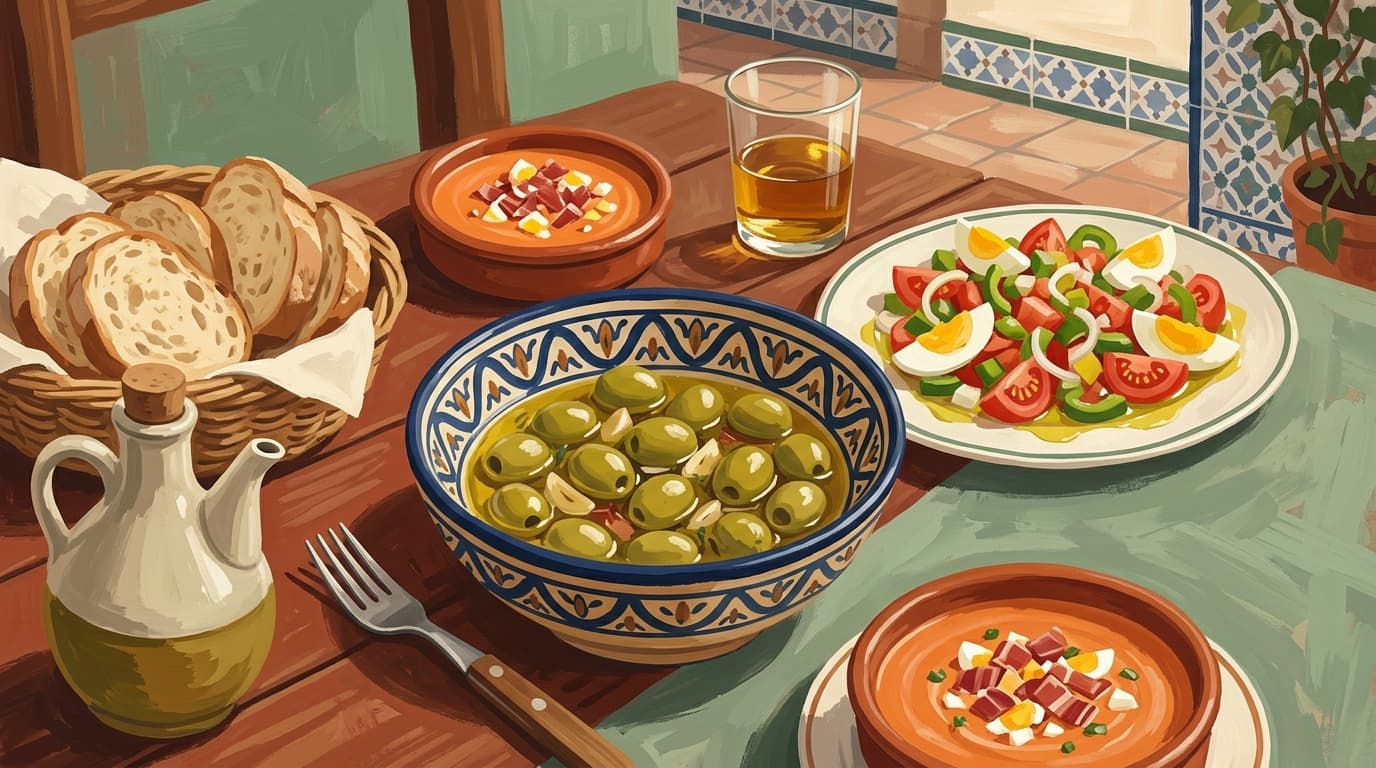
For a taste of authentic local cuisine, Panaceite is an excellent choice just a short walk from the cathedral. It is a favourite with residents for its pipirrana (a refreshing salad of tomatoes, peppers, and tuna) and its selection of local meats. For something more formal, Restaurante Casa Antonio provides a sophisticated take on traditional Jaén flavours, with a strong focus on the region's world-class olive oils. If you prefer a casual atmosphere with excellent seafood, Marisquería El Pato Rojo has been a local institution since the 1970s, offering fresh tapas and larger sharing plates right across from the main square.
Where to Stay
For those seeking a historical experience, the Parador de Jaén is located in the 13th-century Santa Catalina Castle overlooking the city. It offers incredible views and a unique medieval atmosphere, though it requires a short drive or taxi to reach the cathedral. In the city centre, Hotel Xauen is a practical and comfortable option located just 100 metres from the cathedral, featuring a rooftop terrace that provides an intimate view of the cathedral towers and the surrounding old quarter.