things to do
Exploring Beyond the Main Hubs: The Best Day Trips in Andalucía
Discover the best day trips across Andalucía, from the dramatic cliffs of Ronda to the Roman ruins of Bolonia and the historic streets of Córdoba.
things to do
Exploring Beyond the Main Hubs: The Best Day Trips in Andalucía
14 April 2026 · 7 min read · 1,590 words
Explore the diverse landscapes of southern Spain by venturing beyond the coastal resorts and major cities. These day trips offer a practical way to experience mountain villages, Roman ruins, and even North African culture within a single day.
Andalucía is a vast region, yet its modern infrastructure makes it surprisingly accessible for those based in hubs like Málaga, Seville, or the Costa del Sol. While the primary cities offer enough to fill weeks of exploration, the true character of the south often reveals itself in the smaller towns and natural sites that sit just an hour or two away. The regional rail network, particularly the high-speed AVE trains, connects major centres efficiently, while a car remains the best tool for reaching the white-washed villages of the interior.
Choosing a day trip requires a balance between travel time and the depth of the experience. It is easy to spend four hours on a bus only to find you have little time left to actually see the sights. This guide focuses on trips that are logistically sound, allowing for a full day of immersion without feeling rushed. Whether you are looking for the architectural remnants of the Caliphate, the thrill of walking along a sheer cliff face, or the chance to hop across the Strait of Gibraltar to Morocco, these itineraries provide a structured way to broaden your Andalucían adventure. Each location selected here offers something distinct from the typical tourist trail, providing a more grounded look at the regional culture.
Top Day Trip Destinations from Major Cities
Ronda from Málaga
Ronda is one of the most visually arresting towns in Spain, famously split in two by the El Tajo gorge. From Málaga, the drive takes around 1 hour and 45 minutes through the Sierra de las Nieves. Alternatively, the Damas bus service runs regularly from Málaga’s main bus station. Once there, the focus is inevitably on the Puente Nuevo, the 18th-century bridge that spans the 120-metre-deep chasm. For the best views, follow the walking path down into the valley from Plaza de María Auxiliadora; the trek back up is steep, so wear sensible footwear.
Beyond the bridge, Ronda is home to one of the oldest bullrings in Spain, the Plaza de Toros, which functions as a museum detailing the equestrian traditions of the region. If you prefer a quieter pace, head to the Baños Árabes (Arab Baths) in the San Miguel quarter, which are among the best-preserved in the country. For a local lunch, seek out Tragatá for modern tapas or Restaurante De Locos Tapas in the old town. Wine lovers should visit the Descalzos Viejos winery, located in a converted 16th-century oratory on the edge of the cliffs.
[AFFILIATE: tour/activity in Ronda]
Córdoba from Seville
Thanks to the high-speed rail link, you can travel from Seville to Córdoba in just 45 minutes, making it an incredibly efficient day trip. The centrepiece of the city is the Mezquita-Catedral, a massive complex that was once the primary mosque of Western Islam before being converted into a cathedral in the 13th century. The forest of red-and-white arches is a sight that requires at least two hours to fully appreciate. It is advisable to book tickets in advance, especially during the spring months.
After visiting the Mezquita, wander through the Judería (Jewish Quarter), a network of narrow alleys filled with flower-covered courtyards. If you visit in May, the Patios Festival allows you to enter private homes to see these decorated spaces, but many remain visible year-round. For a traditional meal, try the salmorejo (a thick, cold tomato soup topped with ham and egg) at Bodegas Mezquita. If time permits, the ruins of Madinat al-Zahra, a 10th-century palace city, sit just outside the town and can be reached by a dedicated shuttle bus from the city centre.
[AFFILIATE: tour/activity in Córdoba]
Frigiliana from Nerja
For those staying on the eastern Costa del Sol, Frigiliana is the quintessential white village. Located just 15 minutes uphill from Nerja by car or local bus, it is a maze of cobblestone streets and blue-painted doors. The village is divided into two parts: the lower, newer section and the Mudéjar district, which is the older, historic upper part. Walking through the upper section is a vertical workout, but the views over the Mediterranean are worth the effort.
Frigiliana is famous for its miel de caña (cane sugar molasses), the only place in Europe that still produces it traditionally. You can visit the Ingenio Nuestra Señora del Carmen, the factory housed in an old counts' palace, to buy a jar. For hikers, the path to the top of 'El Fuerte' hill starts from the back of the village and offers a panoramic view of the coastline and the Sierra de Tejeda. Lunch at The Garden Restaurant offers great views, or find a small local spot in the Plaza de las Tres Culturas for some migas.
[AFFILIATE: tour/activity in Nerja]
Tangier from Tarifa
A trip to Tangier, Morocco, is a unique possibility when based in the province of Cádiz. The fast ferry from Tarifa takes only 60 minutes to cross the Strait of Gibraltar. Note that you will need your passport and will clear customs on board or at the port. Upon arrival, the atmosphere changes instantly. The Tangier Medina is a labyrinth of markets and cafes. It is often helpful to hire an official guide at the port to navigate the alleys and avoid the more persistent unofficial 'touts'.
Highlight spots include the Kasbah Museum, located in the former Sultan’s palace, and the Grand Socco market square. For a traditional Moroccan lunch, Restaurant Ahlen or Le Salon Bleu offer excellent tajines and couscous with views of the water. Avoid the large group tours if you want a more authentic experience; instead, book a private guide who can tailor the day to your interests. Keep in mind that Tarifa is notoriously windy, so check ferry schedules on the morning of your trip, as crossings can be cancelled in high winds.
[AFFILIATE: tour/activity in Tangier]
Caminito del Rey from Málaga
Once known as one of the world's most dangerous footpaths, the Caminito del Rey has been completely refurbished and is now a safe, albeit thrilling, aerial walkway. Located near Ardales, about an hour north of Málaga, the path is pinned to the steep walls of the Gaitanes Gorge. The walk is linear, roughly 7.7 kilometres long, and takes about three to four hours to complete. You must book tickets weeks—sometimes months—in advance as daily capacity is strictly limited.
The experience is less about physical exertion and more about the scale of the geology. You will be issued a hard hat at the entrance. To get there, you can take a train from Málaga María Zambrano to El Chorro station, followed by a shuttle bus to the northern entrance. After the hike, the area around the Conde de Guadalhorce reservoir is perfect for a picnic or a swim in the turquoise water. For a sit-down meal, La Garganta at El Chorro provides hearty mountain food and views of the railway line cutting through the rocks.
[AFFILIATE: tour/activity in Caminito del Rey]
Bolonia and Baelo Claudia from Tarifa/Cádiz
If you prefer a mix of history and nature, the beach at Bolonia is a standout choice. Located about 20 minutes from Tarifa, this is not a typical resort beach. It is home to the ruins of Baelo Claudia, an exceptionally well-preserved Roman city that once thrived on the production of garum (fermented fish sauce). The site includes a theatre, a forum, and several temples, all situated just metres from the Atlantic waves. Entry is free for EU citizens and a nominal fee for others.
After exploring the ruins, walk to the western end of the beach to climb the Duna de Bolonia, a massive sand dune that is constantly shifting due to the Levante winds. The view from the top towards the Moroccan coast is spectacular. There are several small chiringuitos (beach bars) like Otero where you can eat fresh red tuna, a local speciality of the Cádiz coast. This trip is best done by car, as public transport to this specific beach is limited and infrequent.
[AFFILIATE: tour/activity in Bolonia]
Practical Information
Transport costs in Andalucía vary by method. High-speed AVE train tickets to Córdoba can range from €20 to €60 depending on how far in advance you book. Local buses are very affordable, typically costing between €10 and €25 for a round trip to places like Ronda or Frigiliana. If you are renting a car, be aware that parking in historic centres is notoriously difficult and expensive; look for 'Parking Público' on the outskirts and walk in. The best seasons for day trips are spring (March to June) and autumn (September to November). Mid-summer temperatures in inland spots like Córdoba and Ronda can frequently exceed 40°C, making midday exploration uncomfortable. Always carry a reusable water bottle, as most towns have public drinking fountains with fresh mountain water.
Local Tips
When planning a day trip, remember the local 'siesta' culture. Many smaller shops and even some monuments close between 2:00 pm and 5:00 pm, particularly in non-coastal towns. Plan your main sightseeing for the morning and use the early afternoon for a long, leisurely lunch—this is when the locals eat their main meal. If you are driving, download offline maps as signal can be spotty in the mountainous regions of the Axarquía or the Sierra Grazalema. Finally, always carry a small amount of cash for buses and small village cafes that may not accept cards.
More guides
The Best Water Sports in Almería: A Coastal Guide
Discover the rugged volcanic coastline of Almería through world-class diving, kayaking, and paddleboarding in the protected waters of Cabo de Gata.
6 min read
Read guide →
Exploring the Trails of Córdoba: From the Sierra Morena to the Subbética
Escape the city heat and explore the diverse landscapes of Córdoba, from the rugged limestone peaks of the south to the Mediterranean forests of the Sierra Morena.
6 min read
Read guide →
A Guide to Hiking and Walking in Jaén
Jaén holds the largest expanse of protected forest in Spain, offering everything from riverside strolls to high-altitude mountain challenges. This guide explores the rugged terrain of Cazorla and beyond.
6 min read
Read guide →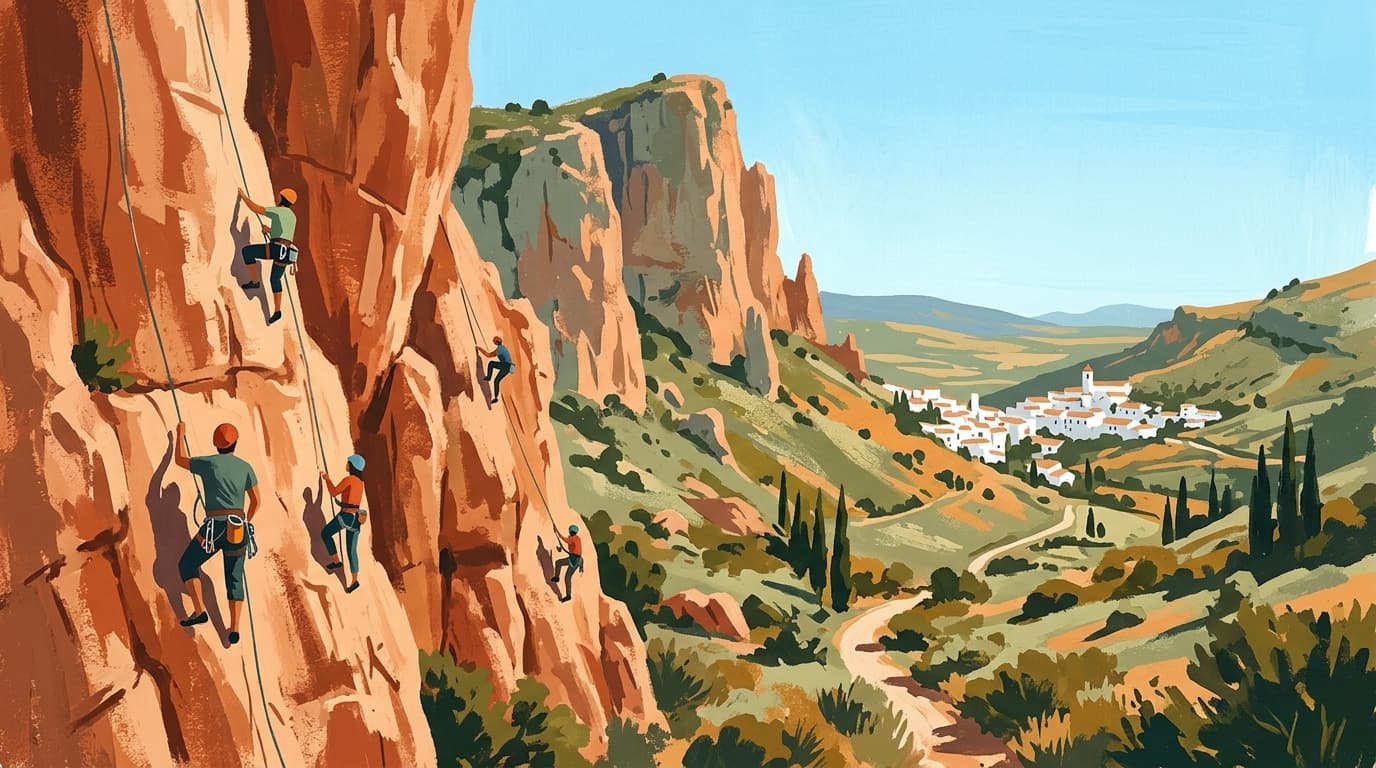
A Guide to Rock Climbing in Andalucía: The Best Crags and Routes
With over 10,000 routes across the region, Andalucía is arguably Europe’s premier winter climbing destination for sport enthusiasts.
6 min read
Read guide →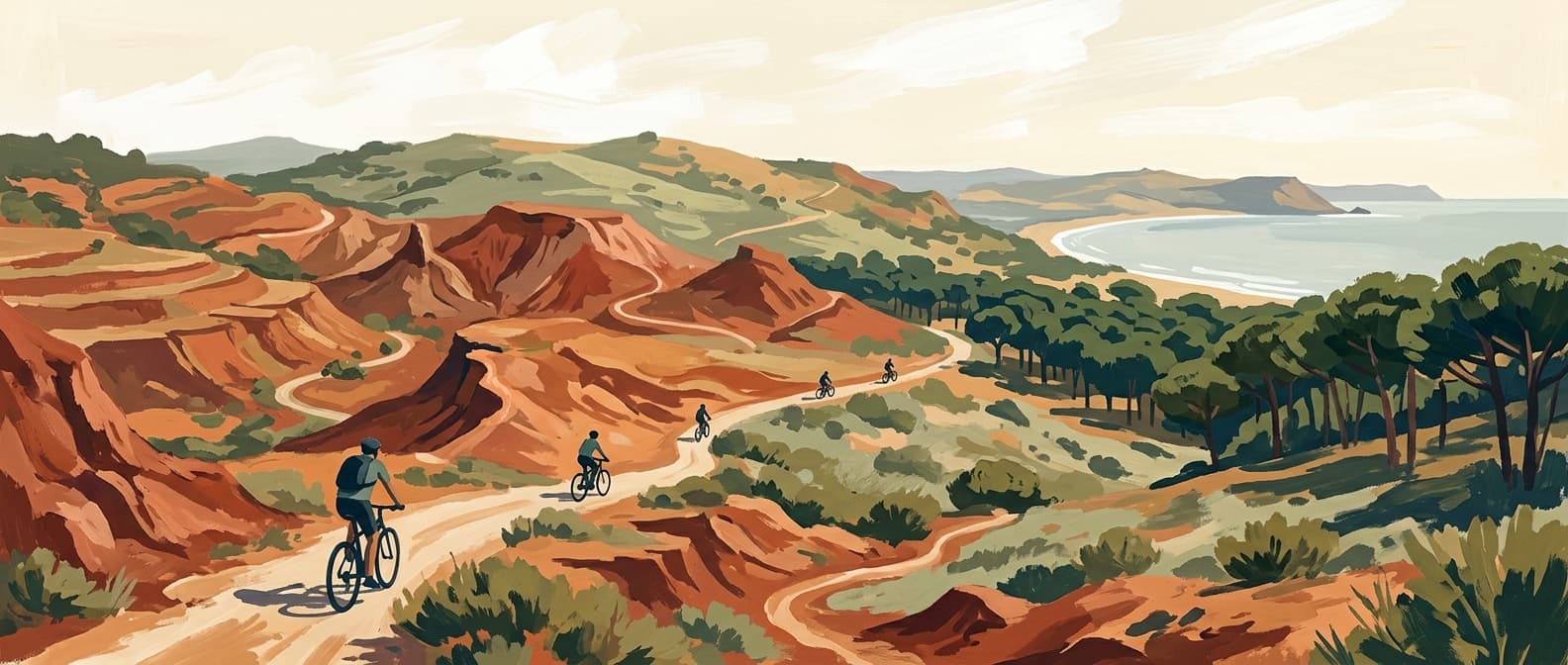
Exploring Huelva on Two Wheels: From Martian Landscapes to Coastal Pines
Discover the diverse cycling routes of Huelva, from the iron-red trails of the Rio Tinto to the shady chestnut forests of the Sierra de Aracena.
6 min read
Read guide →
A Guide to Golfing Across Andalucía
Discover the best golf courses in Andalucía, from the world-renowned fairways of Valderrama to the scenic coastal layouts of the Costa de la Luz.
6 min read
Read guide →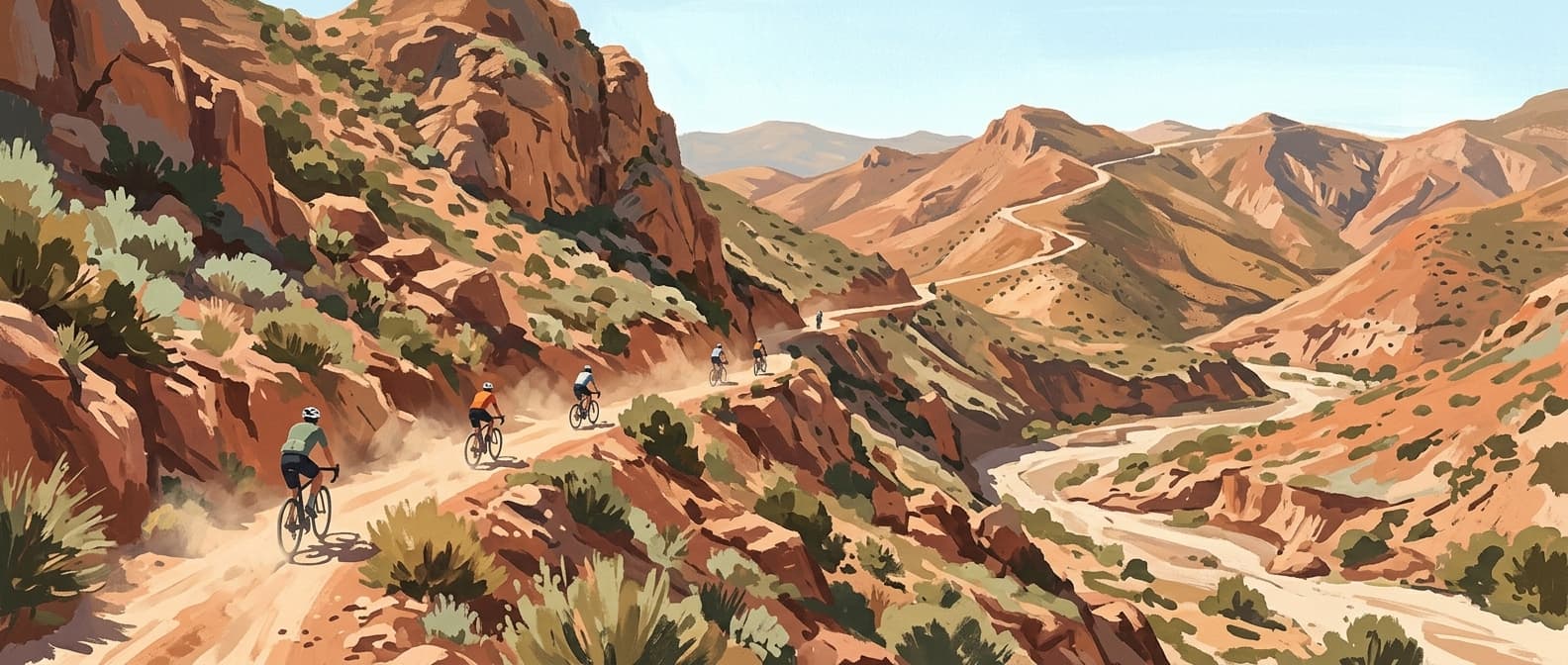
Cycling in Almería: The Ultimate Guide to Desert Trails and Mountain Passes
Discover the rugged beauty of Almería on two wheels, from the cinematic Tabernas Desert to the challenging switchbacks of the Alto de Velefique.
6 min read
Read guide →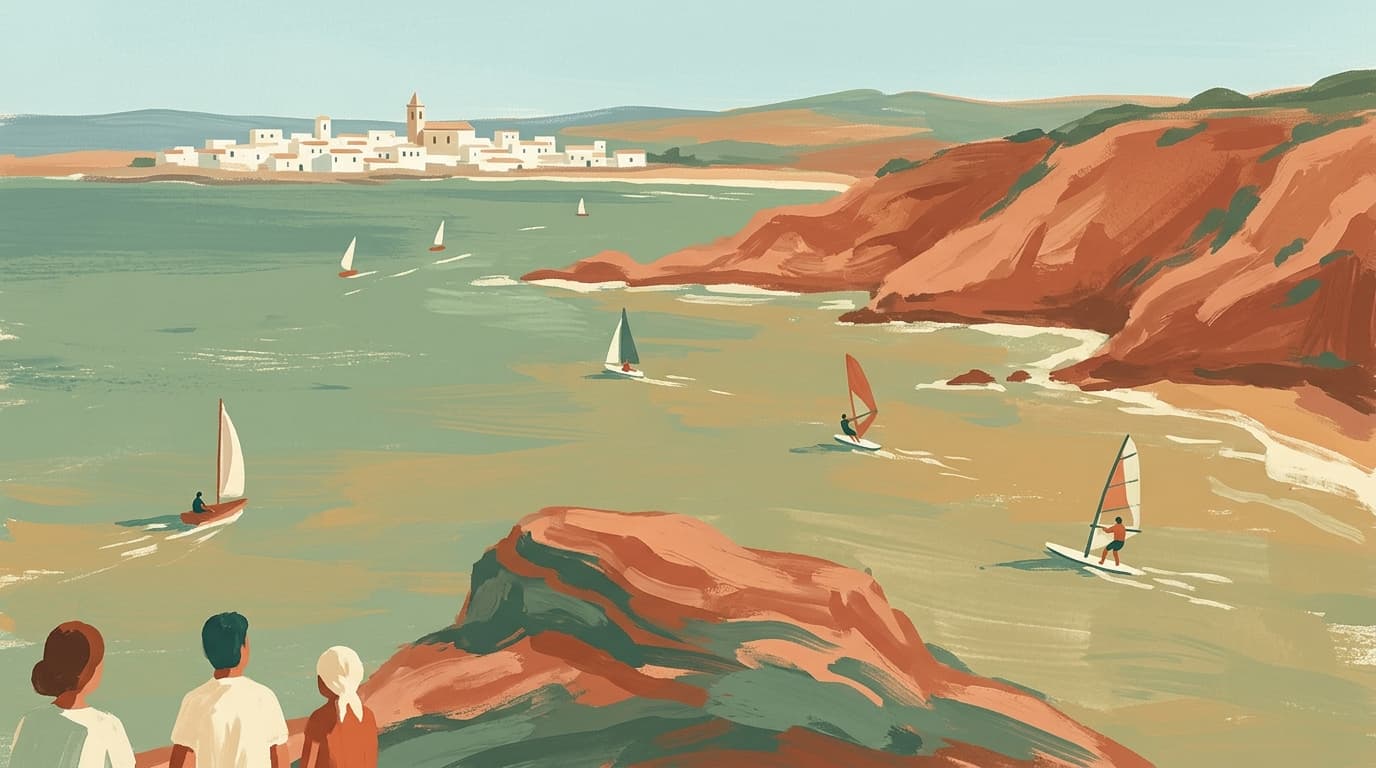
Mastering the Atlantic: A Guide to Water Sports in Huelva
From the Atlantic swells of Islantilla to the rust-coloured waters of the Río Tinto, Huelva offers a distinct maritime playground for kayaking, surfing, and sailing.
6 min read
Read guide →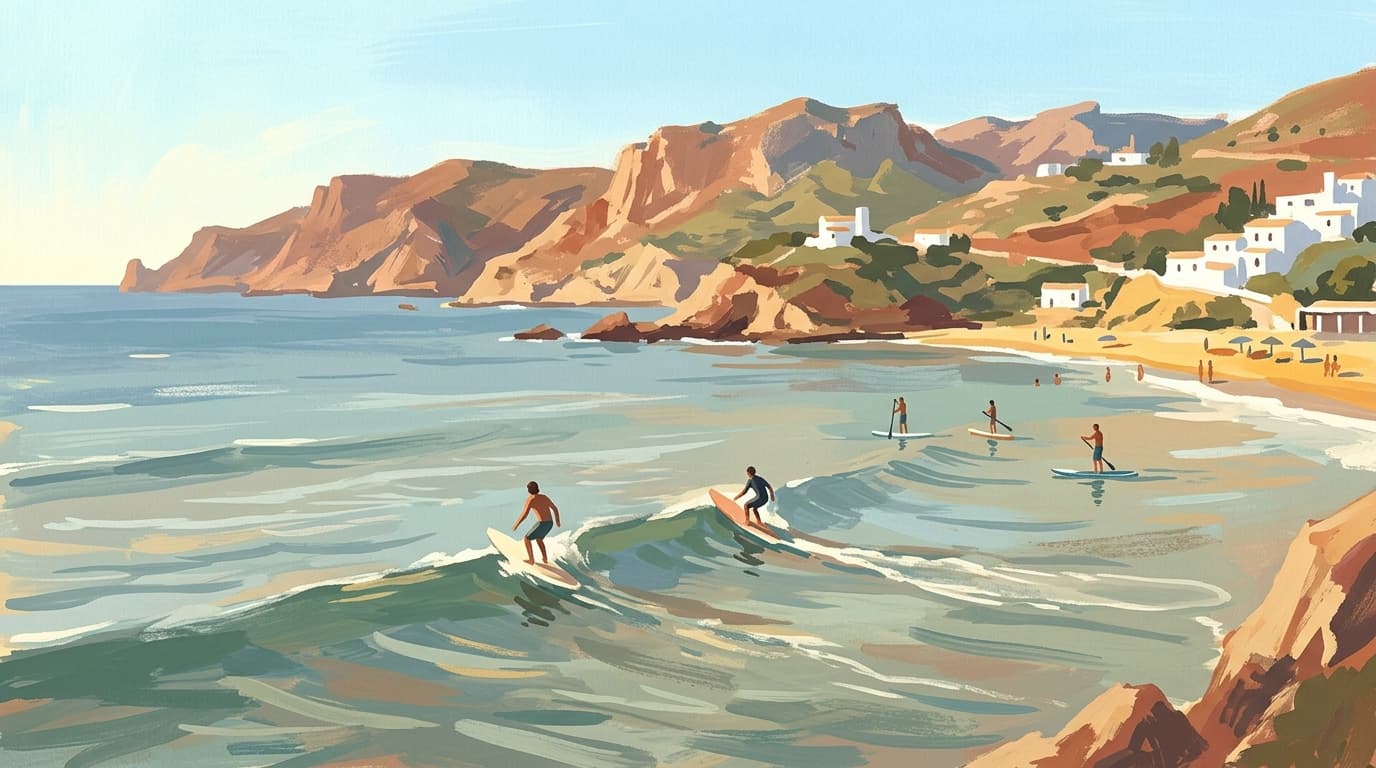
Surfing and SUP in Andalucía: A Guide to the Best Breaks and Bays
From the powerful Atlantic swells of the Costa de la Luz to the glassy Mediterranean coves of Almería, Andalucía offers world-class conditions for every level of surfer and paddler.
6 min read
Read guide →Newsletter
More stories from Andalucía
Weekly notes, seasonal picks, and the next guides worth bookmarking.