things to do · Seville
Beyond the Orange Trees: The Best Day Trips from Seville
Broaden your Andalusian horizons with these essential day trips, ranging from the Roman ruins of Itálica to the dramatic clifftop views of Ronda.
things to do · Seville
Beyond the Orange Trees: The Best Day Trips from Seville
14 April 2026 · 7 min read · 1,401 words
Seville serves as a perfect hub for exploring Western Andalucía, with high-speed rail links and well-maintained roads stretching out toward ancient cities and wild marshlands. Within an hour or two, you can swap the city’s tiled patios for Roman amphitheatres, mountain gorges, or sprawling national parks.
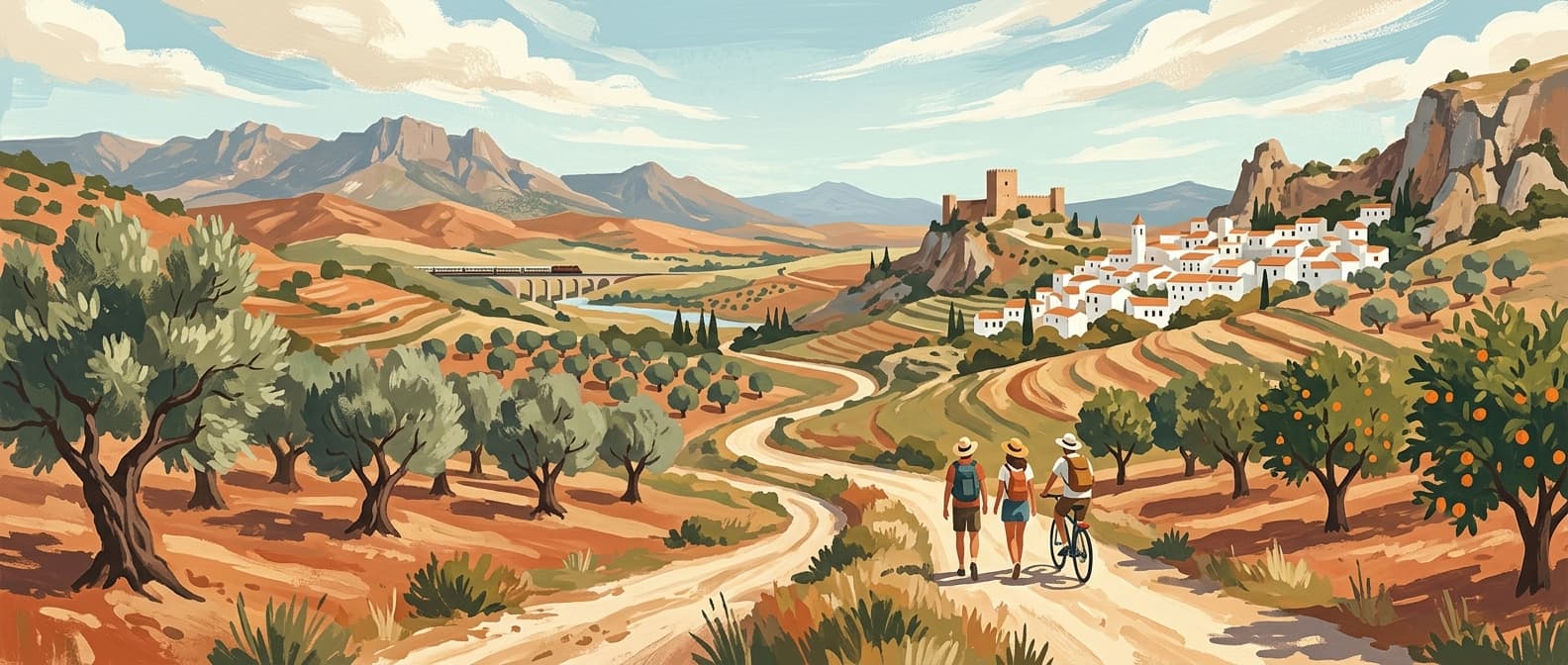
While Seville provides enough culture and atmosphere to fill a lifetime, its position in the heart of the Guadalquivir valley makes it an ideal base for regional exploration. To truly understand this part of Spain, one needs to step outside the city limits. The landscape changes quickly; the flat plains of the river basin rise into the rolling olive groves of the Campiña and eventually hit the rugged limestone peaks of the Sierra Sur and Grazalema.
Logistics are generally straightforward. Spain’s RENFE train network connects Seville to major hubs like Córdoba and Cádiz with impressive efficiency, while the bus network handles the smaller towns and villages. For those looking for more autonomy, hiring a car offers the chance to stop at roadside ventas for a traditional breakfast of tostada con manteca. Whether you are interested in the leftovers of the Roman Empire, the architectural legacy of the Umayyad Caliphate, or the quiet solitude of a cork oak forest, these day trips represent the best of the region within striking distance of the Andalusian capital.
The Best Day Trips from Seville
Córdoba: A Masterclass in Caliphate Culture
Located just 45 minutes away via the high-speed AVE or AVLO trains, Córdoba is arguably the most essential day trip from Seville. The city was once the most advanced metropolis in Europe, and that legacy is anchored by the Mezquita-Catedral. Walking through the forest of red-and-white double arches is a grounding experience that reveals the layers of religious transition in Spain. The building’s expansion over centuries reflects the changing fortunes of the city, culminating in the 16th-century cathedral inserted directly into the centre of the mosque.
Beyond the Mezquita, the Jewish Quarter (Judería) offers a labyrinth of narrow streets and whitewashed courtyards. If you visit in May, you can witness the Fiesta de los Patios, but the flowers are usually out year-round. For lunch, head to Bodegas Mezquita or Casa Pepe de la Judería to try local specialities like salmorejo (a thicker, creamier version of gazpacho) and flamenquín (breaded pork rolls). [AFFILIATE: guided tour of Córdoba from Seville]
Itálica: Rome on the Doorstep
You don't need to travel far to find the birthplace of two Roman emperors, Trajan and Hadrian. The ruins of Itálica are located in the town of Santiponce, just 7 kilometres north of Seville. It is one of the most significant Roman sites in Spain, featuring an enormous amphitheatre that once held 25,000 spectators and exceptionally well-preserved floor mosaics in the remains of the noble houses. Fans of Game of Thrones will recognize the amphitheatre as the Dragonpit of King’s Landing.
The site is easily accessible via the M-170 bus from the Plaza de Armas station in Seville. Walking through the ancient streets, you can see the sophistication of Roman urban planning, from the drainage systems to the layout of the public baths. Unlike many archaeological sites, Itálica offers plenty of space and a quieter atmosphere, particularly on weekday mornings. [AFFILIATE: Roman Itálica tour from Seville]
Carmona: The Gateway to the Vega
Rising above the plains on a high ridge, Carmona is one of Europe's oldest continuously inhabited settlements. It is only a 30-minute drive or bus journey from Seville, making it an easy half-day or full-day excursion. The town is dominated by the Alcázar de la Puerta de Sevilla, a formidable fortress that has guarded the entrance to the city since Carthaginian times. Climbing to the top of the Golden Tower provides a panoramic view of the surrounding countryside, known as La Vega.
The town itself is a collection of Mudéjar churches and Renaissance palaces. Make sure to visit the Roman Necropolis on the outskirts of town, where over 900 tombs are carved into the rock. For a memorable lunch, the Parador de Carmona sits in the ruins of a 14th-century Moorish palace and serves traditional Andalusian dishes with a view that stretches to the horizon. The tarta de Carmona (cinnamon and almond cake) is a local treat worth finding in the local bakeries.
Ronda and the White Villages
Ronda is famous for its dramatic position on the edge of a 120-metre deep gorge, El Tajo. While it is about an hour and 45 minutes from Seville by car, the journey is spectacular, taking you through the heart of the ‘Pueblos Blancos’ (White Villages). The Puente Nuevo bridge, which spans the gorge and connects the old Moorish town with the newer 18th-century part of the city, is an engineering marvel that defines the skyline.
Ronda is also home to one of Spain’s oldest and most beautiful bullrings, the Plaza de Toros de Ronda. Even if you aren't interested in the spectacle of bullfighting, the museum and architecture provide insight into the city’s social history. The drive back to Seville can be routed through Zahara de la Sierra or Grazalema, two of the most picturesque villages in the mountains, known for their leather goods and artisan cheeses. [AFFILIATE: White Villages and Ronda day trip]
Doñana National Park: A Wilderness Escape
For a change of pace from urban history, the Doñana National Park offers one of the most important wetlands in Europe. Located south of Seville where the Guadalquivir river meets the Atlantic, the park is a sanctuary for the Iberian lynx and thousands of migrating birds, including greater flamingos and Spanish imperial eagles. Access to the core of the park is strictly regulated, so you must book a guided 4x4 tour with an official operator like Cooperativa Marismas del Rocío.
A visit often includes a stop in the village of El Rocío, a unique settlement with sand-covered streets that looks like it belongs in an old Western film. It is the site of Spain’s largest annual pilgrimage, but for the rest of the year, it is a quiet, atmospheric place where horses are tied up outside bars. [AFFILIATE: Doñana 4x4 tour from Seville]
Osuna: Baroque Splendour
Osuna is frequently overlooked by travellers, which is a mistake. This ducal town, situated about an hour east of Seville, is a showcase of Baroque architecture. The Calle San Pedro was once named by UNESCO as one of the most beautiful streets in Europe, lined with grand palaces featuring intricate stone carvings and massive wooden doors. The town’s hilltop Collegiate Church contains a pantheon of the Dukes of Osuna and some significant works of art by José de Ribera.
Like Itálica, Osuna gained modern fame as a filming location for Game of Thrones, with the local bullring serving as the site of Daznak’s Pit. The town remains an authentic working town, famous for its olive oil production. It is a fantastic place to experience a slower pace of life, far from the primary tourist trails.
Practical Information
Travel costs vary significantly depending on your mode of transport. A return bus ticket to Carmona or Santiponce (for Itálica) will cost less than €10. High-speed trains to Córdoba are more expensive, typically ranging from €20 to €50 return, though booking in advance via the RENFE or Iryo websites can yield significant savings. For the White Villages and Ronda, renting a car is the most practical option, with daily rates starting around €40 plus fuel.
Spring (March to May) and autumn (September to November) are the best seasons for these trips. The summer months can see temperatures in the Guadalquivir valley exceed 40°C, making outdoor exploration at Roman ruins or mountain hikes physically demanding. Always carry water, wear a hat, and remember that many smaller towns still observe a strict siesta, meaning shops and some monuments may close between 14:00 and 17:00.
Local Tips
To experience these locations like a local, aim for an early start to beat the midday sun and the tour groups. In Córdoba, if you arrive at the Mezquita between 08:30 and 09:30 (except on Sundays or feast days), entry is often free for individual visitors looking for a quiet walk. When visiting the White Villages, avoid the main squares for lunch; instead, look for busy tabernas in the side streets where the menu del día is written on a chalkboard. Finally, always check the local calendar, as town ferias can lead to unexpected closures or, conversely, unique celebrations.
More from Seville
The Best Water Sports in Almería: A Coastal Guide
Discover the rugged volcanic coastline of Almería through world-class diving, kayaking, and paddleboarding in the protected waters of Cabo de Gata.
6 min read
Read guide →
Exploring the Trails of Córdoba: From the Sierra Morena to the Subbética
Escape the city heat and explore the diverse landscapes of Córdoba, from the rugged limestone peaks of the south to the Mediterranean forests of the Sierra Morena.
6 min read
Read guide →
A Guide to Hiking and Walking in Jaén
Jaén holds the largest expanse of protected forest in Spain, offering everything from riverside strolls to high-altitude mountain challenges. This guide explores the rugged terrain of Cazorla and beyond.
6 min read
Read guide →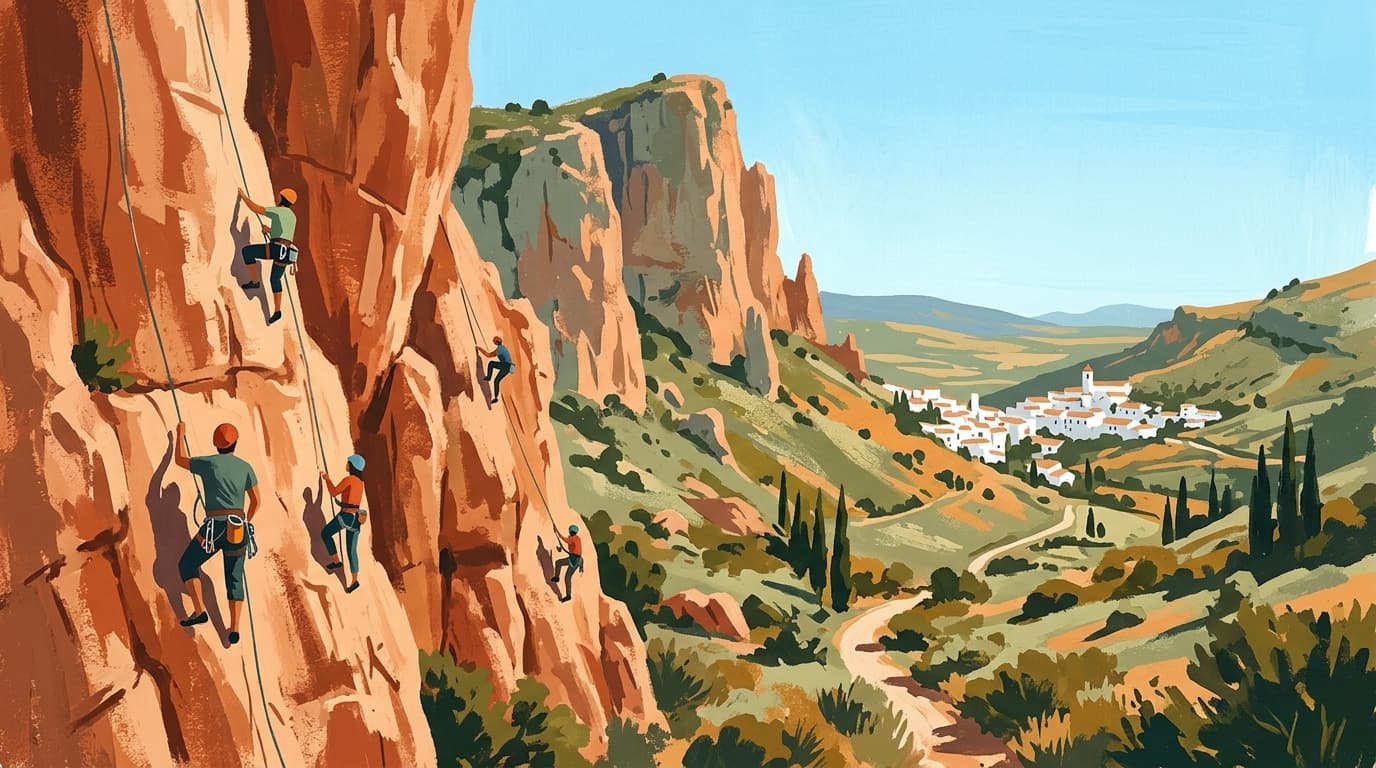
A Guide to Rock Climbing in Andalucía: The Best Crags and Routes
With over 10,000 routes across the region, Andalucía is arguably Europe’s premier winter climbing destination for sport enthusiasts.
6 min read
Read guide →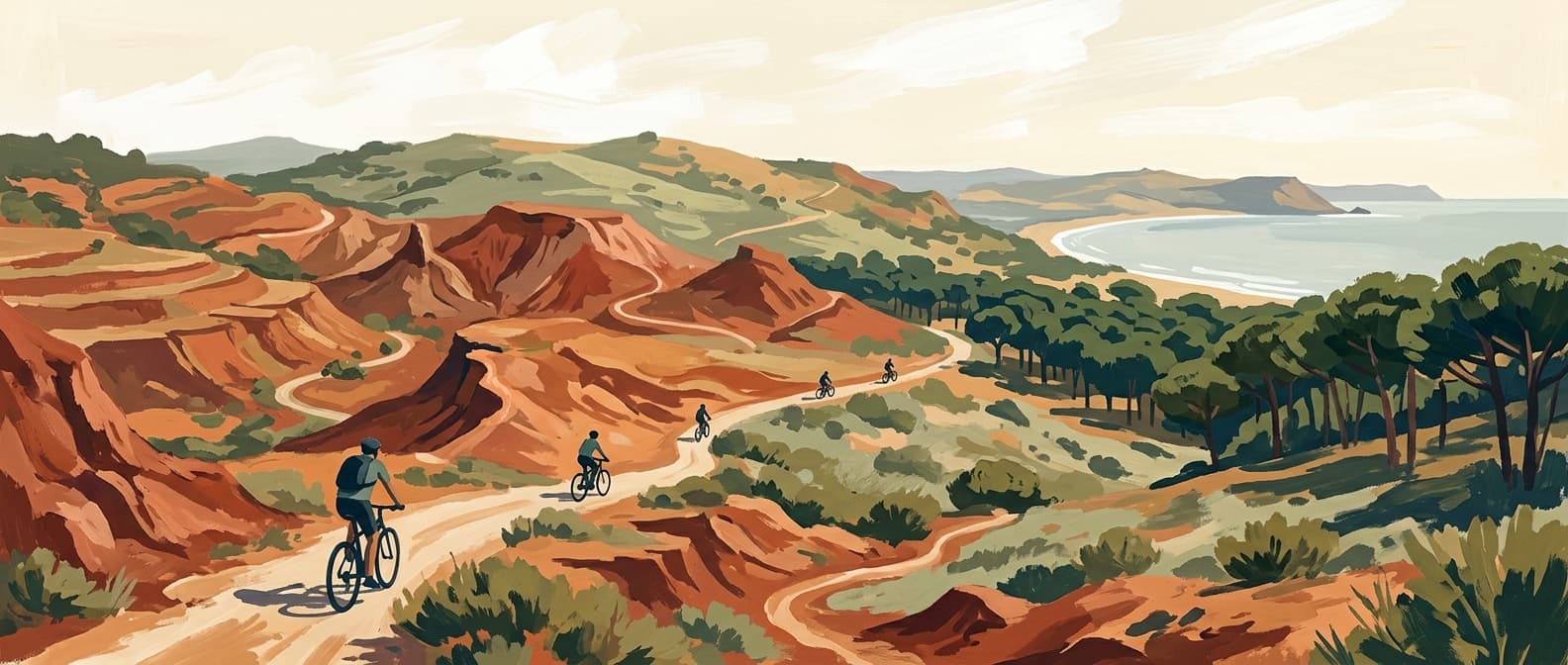
Exploring Huelva on Two Wheels: From Martian Landscapes to Coastal Pines
Discover the diverse cycling routes of Huelva, from the iron-red trails of the Rio Tinto to the shady chestnut forests of the Sierra de Aracena.
6 min read
Read guide →
A Guide to Golfing Across Andalucía
Discover the best golf courses in Andalucía, from the world-renowned fairways of Valderrama to the scenic coastal layouts of the Costa de la Luz.
6 min read
Read guide →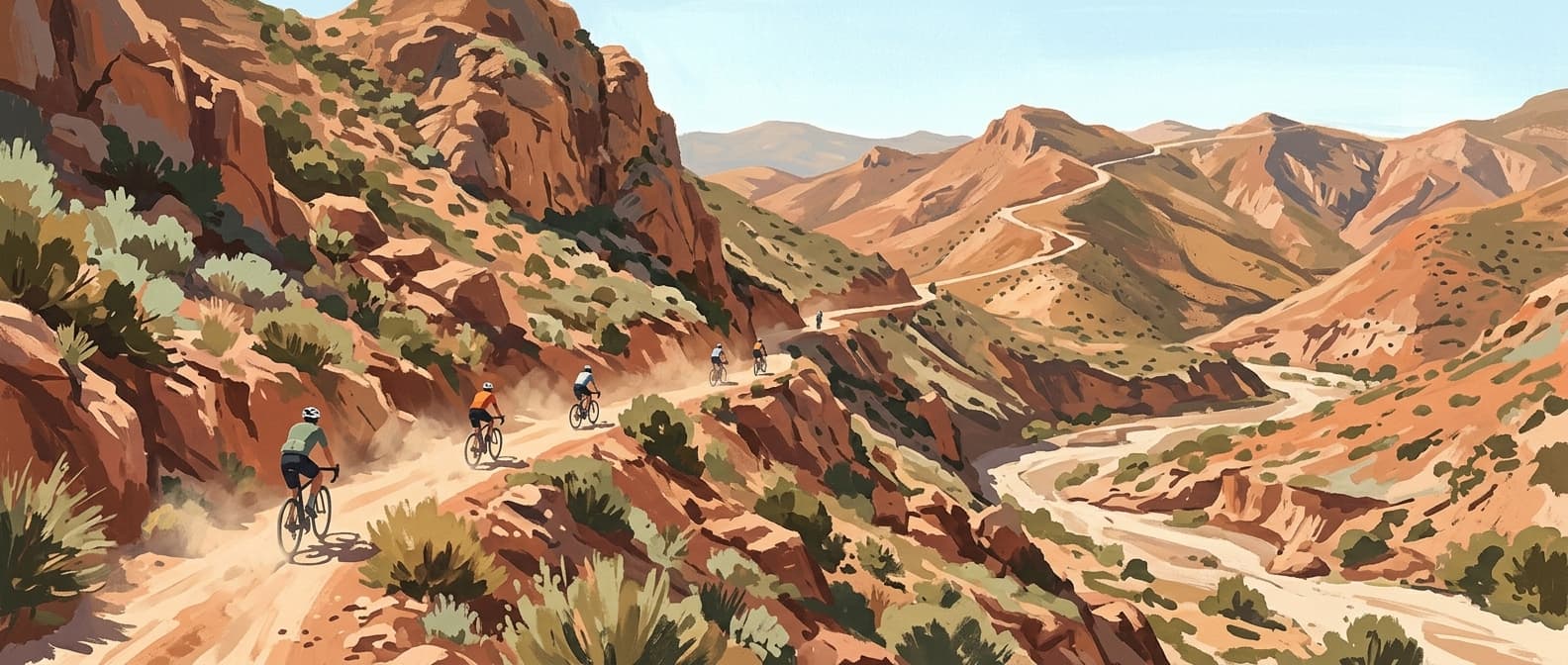
Cycling in Almería: The Ultimate Guide to Desert Trails and Mountain Passes
Discover the rugged beauty of Almería on two wheels, from the cinematic Tabernas Desert to the challenging switchbacks of the Alto de Velefique.
6 min read
Read guide →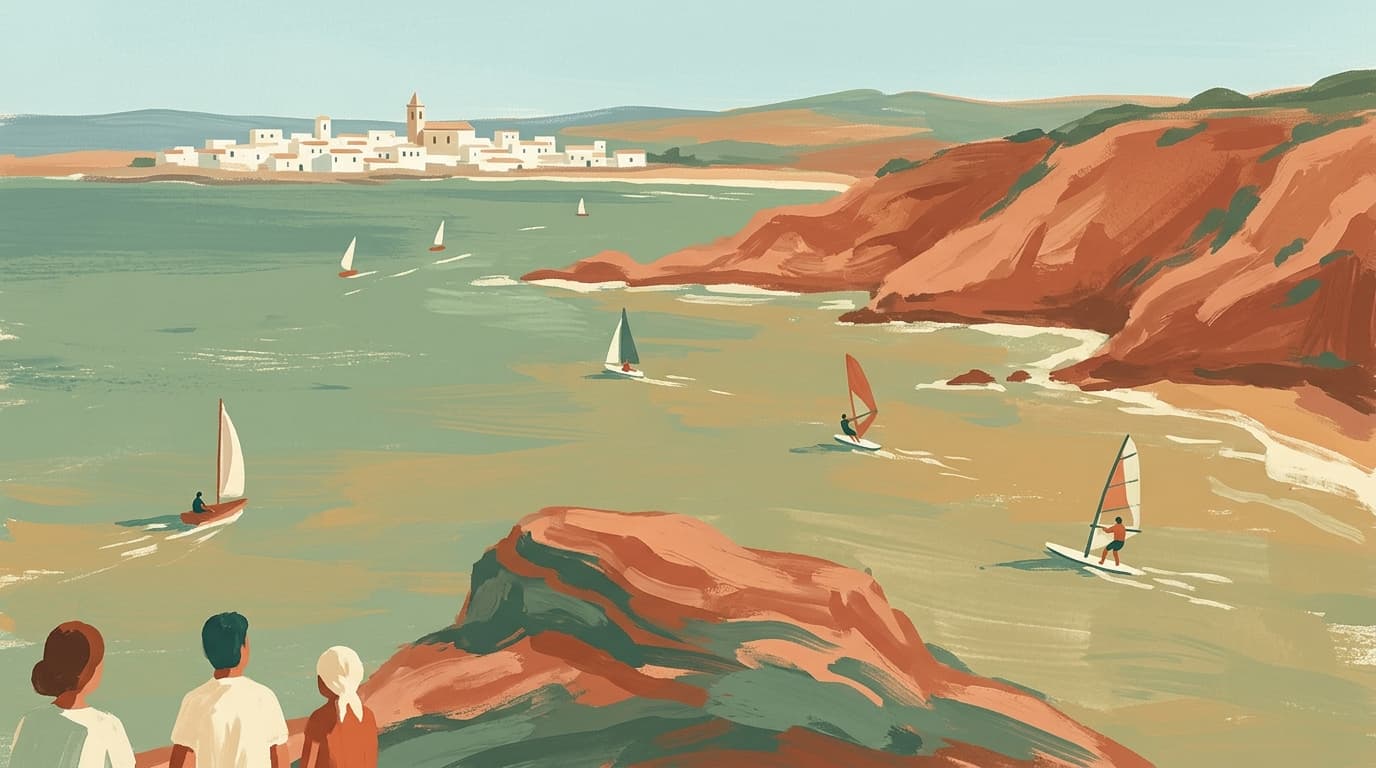
Mastering the Atlantic: A Guide to Water Sports in Huelva
From the Atlantic swells of Islantilla to the rust-coloured waters of the Río Tinto, Huelva offers a distinct maritime playground for kayaking, surfing, and sailing.
6 min read
Read guide →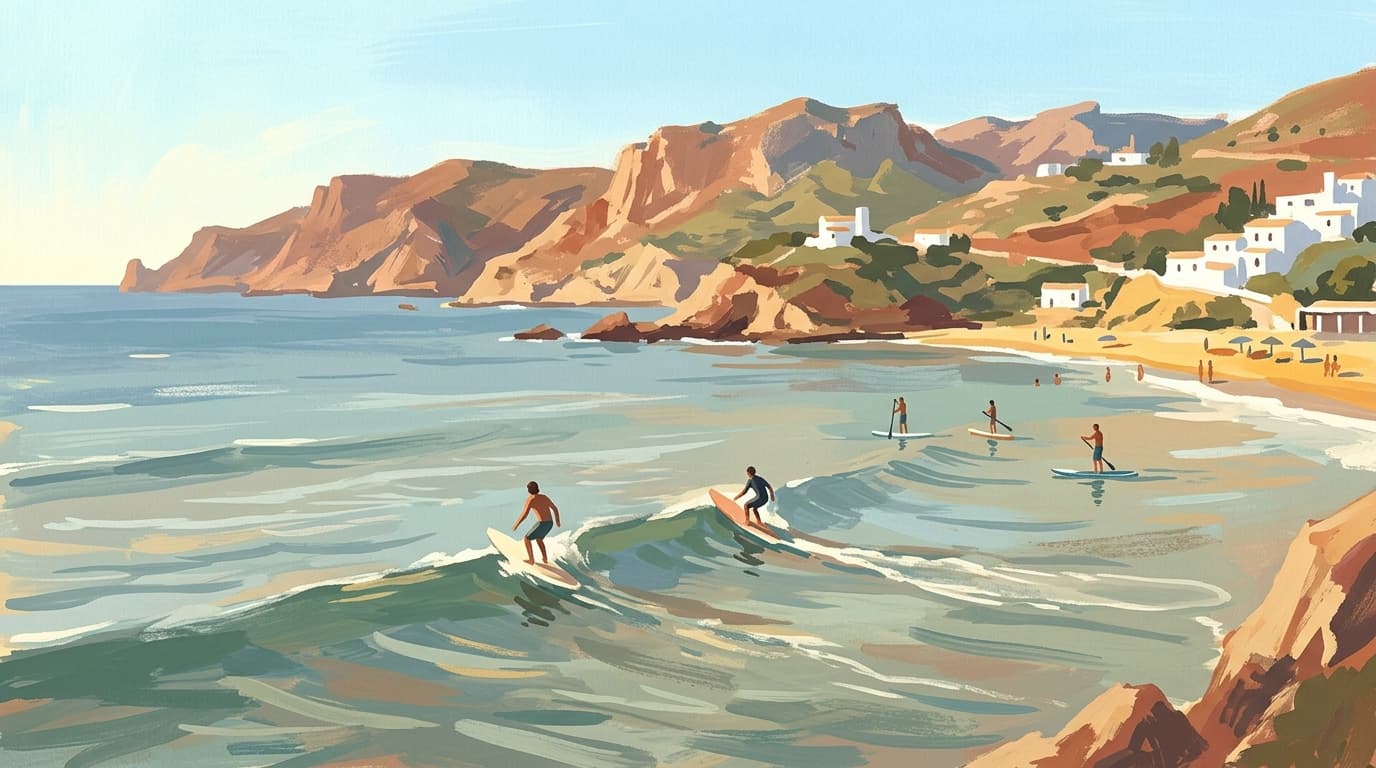
Surfing and SUP in Andalucía: A Guide to the Best Breaks and Bays
From the powerful Atlantic swells of the Costa de la Luz to the glassy Mediterranean coves of Almería, Andalucía offers world-class conditions for every level of surfer and paddler.
6 min read
Read guide →Newsletter
More stories from Andalucía
Weekly notes, seasonal picks, and the next guides worth bookmarking.