Las Negras is a coastal village where dark volcanic cliffs meet a bohemian shore, offering a relaxed alternative to the busier hubs of Cabo de Gata. Beyond its shingle beach, it serves as the primary gateway for those seeking the remote, off-grid community of Cala de San Pedro.
Las Negras sits on the eastern edge of the Cabo de Gata-Níjar Natural Park in the province of Almería. The village owes its name, according to local lore, to the widows of fishermen who were lost at sea; dressed in mourning black, they were seen for months walking the shoreline. This sombre origin story contrasts with the village’s current atmosphere, which is defined by a slow, international rhythm and an artistic community that has made this corner of the Mediterranean its home since the 1970s.
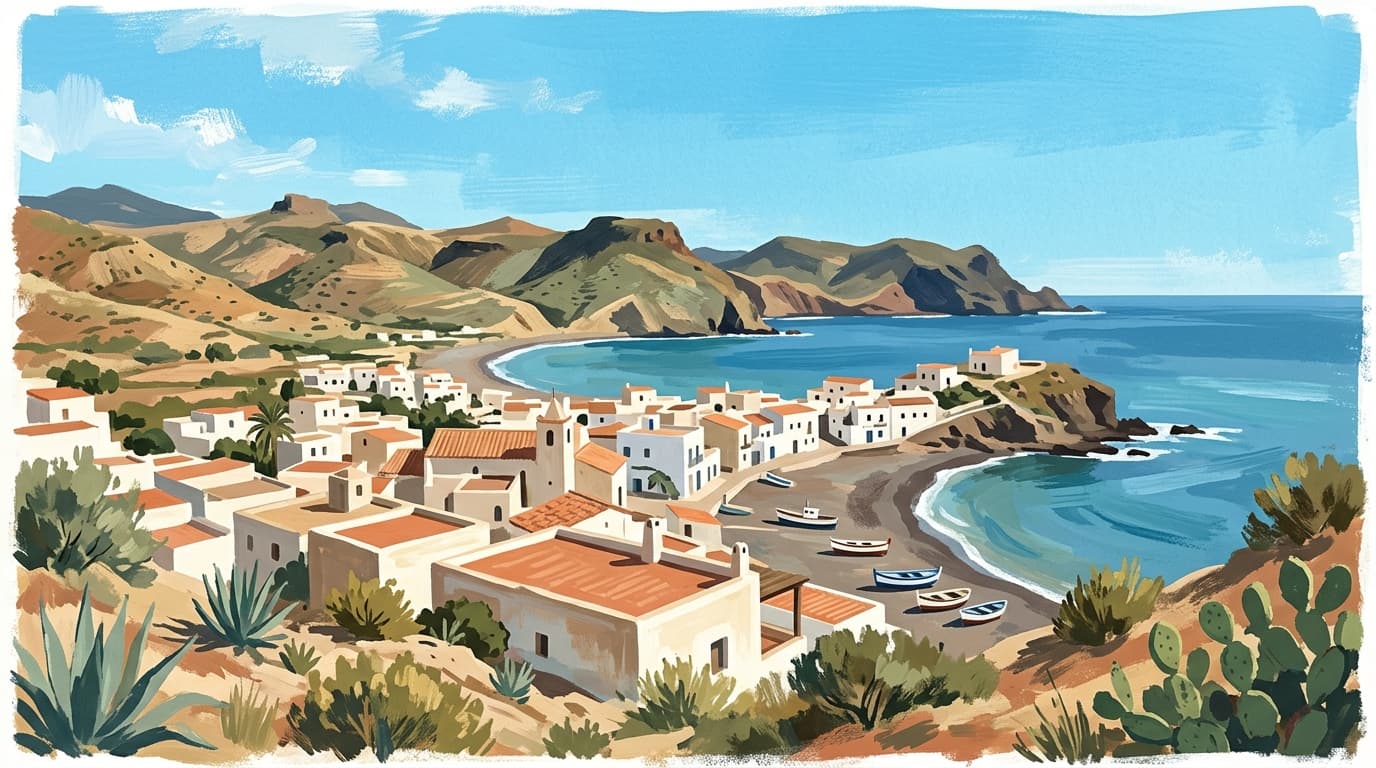
The landscape here is fundamentally different from the rest of the Almerían coast. Instead of the fine golden dunes found near San José, Las Negras features dark, jagged volcanic rock and a shingle beach. The northern end of the bay is dominated by the Cerro Negro, an imposing mass of dark stone that acts as a natural wall, protecting the village from the elements. While the village has grown to accommodate visitors, it has avoided the high-rise development typical of the Costa del Sol, preserving its character as a low-lying, whitewashed fishing hamlet where the sound of the waves is never far away.
What to See & Do in Las Negras
Playa de las Negras and Cerro Negro
The main beach in the village is not your typical sunbathing spot. Covered in dark stones and coarse sand, it is a place for walkers and those who appreciate the raw, geological beauty of the Almerían coast. Many visitors spend their time watching the small fishing boats, known locally as pateras, being pulled up onto the shore. At the northern end, a trail leads towards the foot of Cerro Negro. This cliff is a spectacular example of the park's volcanic origins, with layers of dark basalt and andesite visible from the beach. The hike around the base reveals small, secluded rock pools and inlets where the water is exceptionally clear.
Cala de San Pedro
Perhaps the most famous draw of Las Negras is its proximity to Cala de San Pedro. This cove is one of the few places in Spain where an off-grid community still thrives, largely because there is no road access. The valley behind the beach is home to a permanent freshwater spring, which allows for a lush, green environment that feels almost tropical compared to the surrounding desert. Within the cove, you will find the ruins of the Castillo de San Pedro, a 16th-century fortification built to defend the coast against Berber pirates. Today, the castle walls overlook a community of residents living in hand-built stone dwellings. The beach itself has fine sand and turquoise water, making it a popular spot for wild camping and day-trippers seeking a sense of isolation.
Snorkelling and Marine Life
The waters surrounding Las Negras are part of a protected marine reserve, ensuring that the underwater ecosystem remains healthy. The seabed is a forest of Posidonia oceanica, a type of seagrass endemic to the Mediterranean that acts as a nursery for local fish species. Snorkellers can expect to see schools of bream, octopuses, and the occasional group of colourful wrasse moving through the rocky outcrops. Several local operators offer guided snorkelling trips and boat excursions that visit the sea caves and smaller inlets like Cala Hernández, which are often unreachable by land.
Kayaking and Paddleboarding
Because the village is sheltered by the Cerro Negro, the sea is often calm enough for kayaking. Renting a kayak allows you to paddle south towards El Playazo de Rodalquilar, passing dramatic cliffs and hidden caves along the way. Seeing the volcanic formations from the water provides a perspective on the scale of the natural park that you cannot get from the hiking trails.
Practical Information
How to Get There
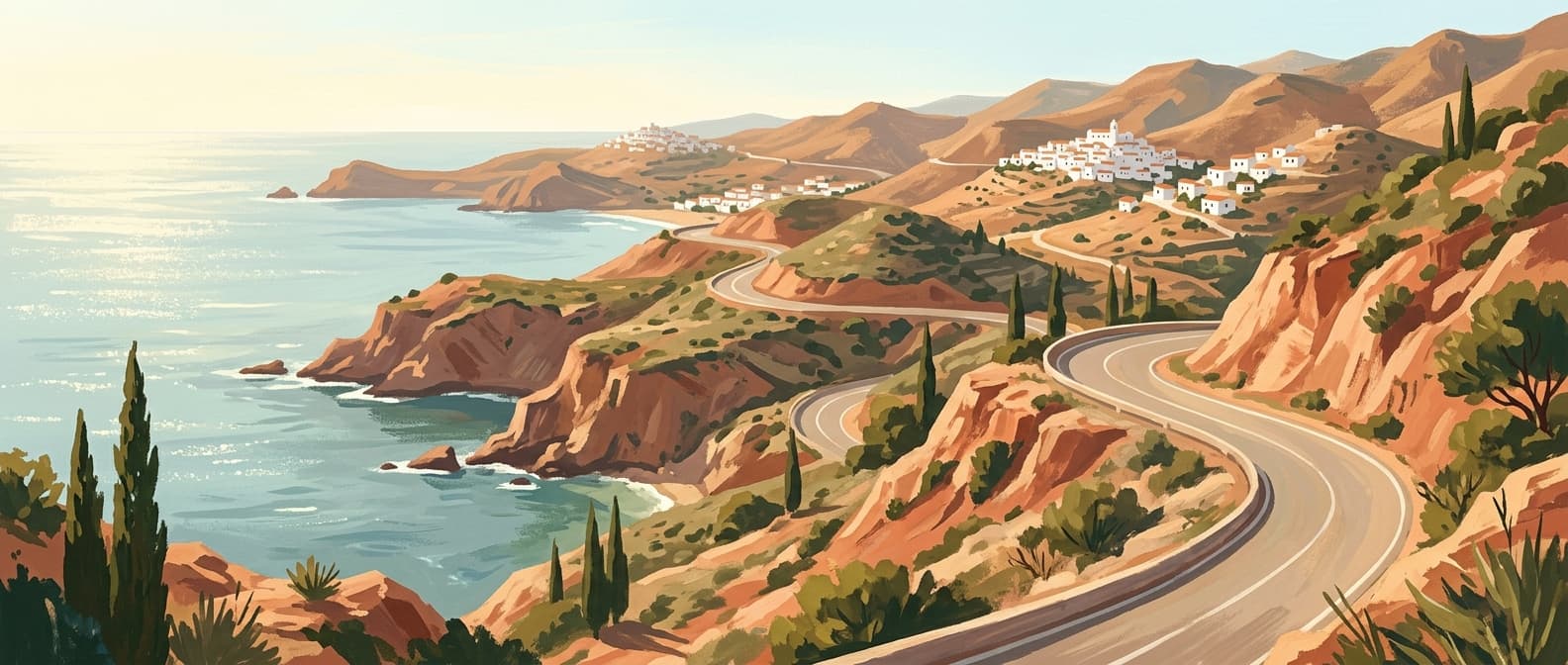
Las Negras is located approximately 50 kilometres from Almería city. The most reliable way to arrive is by car via the A-7 motorway, exiting onto the AL-3108 towards Níjar and following the signs for the coast. The drive takes about 50 minutes.
Public transport is limited. The ALSA bus service (Line M-203) runs from Almería to Las Negras, but schedules vary significantly between the summer and winter seasons. During the height of summer, there are usually three departures a day, but in the off-season, this can drop to once or twice a week. A one-way ticket costs approximately €5.50.
Parking
Parking inside the village is extremely difficult during July and August. There is a large, free dirt car park at the entrance of the village (Paraje Torrehoyo) near the football pitch. It is advisable to leave your vehicle here and walk the five minutes down to the seafront rather than attempting to navigate the narrow, often one-way streets of the village centre.
Reaching Cala de San Pedro
There are two ways to reach the cove from Las Negras:
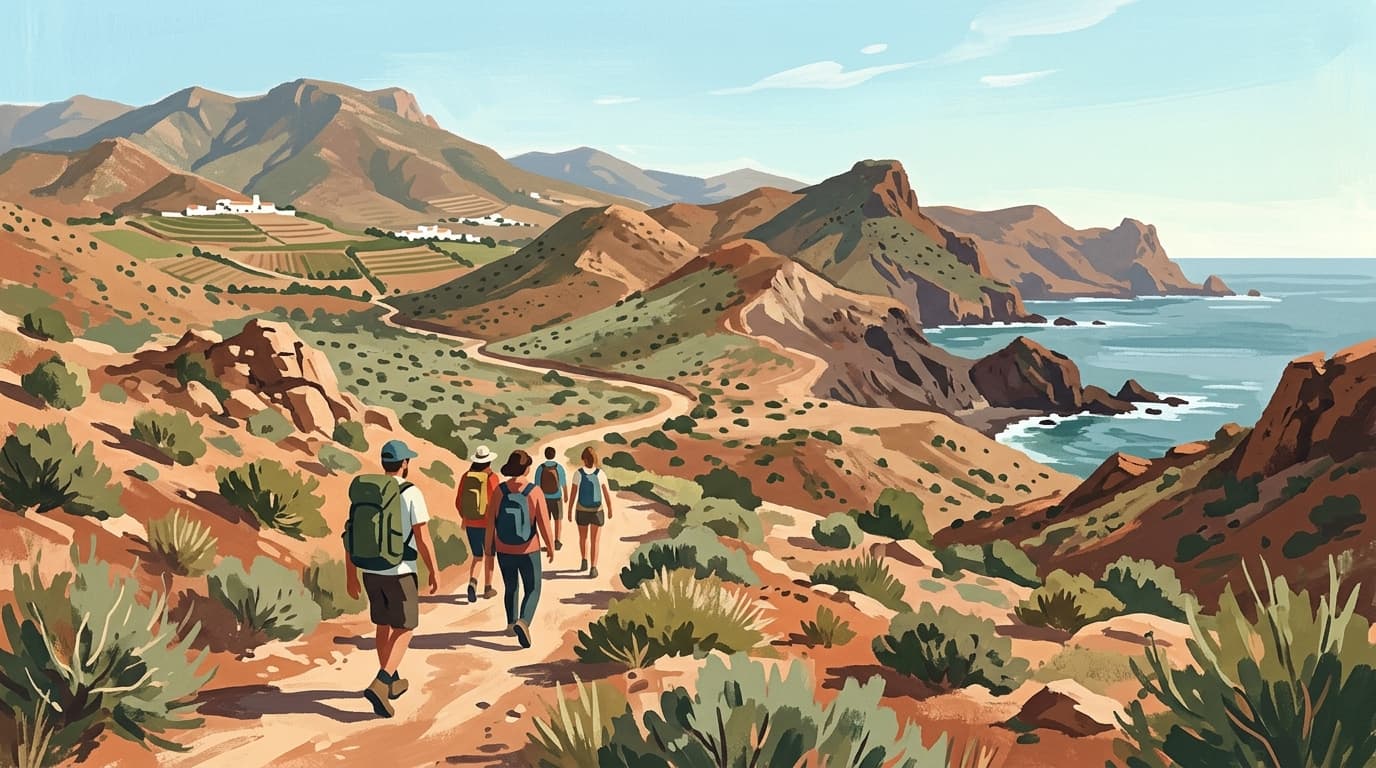
- The Hike: A trail begins at the end of Calle Águilas. The route is approximately 4 kilometres each way (roughly one hour) and involves some steep, rocky sections. It provides spectacular coastal views but offers no shade, so it should be avoided during the midday heat.
- The Boat Taxi: During the summer, small motorboats depart regularly from the main beach in Las Negras. A return ticket usually costs between €12 and €15. You should arrange a return time with the skipper, as mobile phone reception in the cove is unreliable.
Where to Eat Nearby
For a small village, Las Negras has a high concentration of quality dining options. Restaurante Sotavento is a reliable choice for those wanting to sample traditional Almerían rice dishes and fresh seafood. Located right on the seafront, it offers a varied menu including arroz a banda and local red prawns.
If you prefer a more informal atmosphere, La Bodeguiya is a local institution. This bohemian bar often hosts live music in the evenings and serves tapas and cocktails in a garden-like setting just steps from the beach. For tapas with a view, Las Barcas provides outdoor seating overlooking the fishing boats; their grilled octopus and pescaíto frito (fried fish) are highly regarded by locals and visitors alike.
Where to Stay
For those seeking comfort, Hotel Spa Calagrande is the premier option in the village. This four-star hotel is located a short walk from the main beach and features a spa, outdoor pool, and rooms with private terraces. For a more intimate stay, Bitácora offers stylish, family-run accommodation with a Mediterranean aesthetic. There are also numerous private apartments available for rent, though these should be booked well in advance for the summer months.