food drink · Málaga
Where to Eat in Málaga: From Beachfront Espetos to Soho Small Plates
Forget its reputation as a mere transit point; Málaga has transformed into one of Spain’s most compelling food cities, balancing salt-crusted beach traditions with a sharp, modern dining scene.
food drink · Málaga
Where to Eat in Málaga: From Beachfront Espetos to Soho Small Plates
14 April 2026 · 7 min read · 1,408 words
Málaga has shaken off its status as a mere gateway to the coast, emerging as a heavyweight culinary destination where centuries-old fried fish traditions meet a sharp, contemporary appetite for innovation.
For decades, travellers touched down at the airport and immediately headed west to the resorts of the Costa del Sol, bypasssing the city itself. They were making a mistake. Today, Málaga is arguably the most exciting food city in Andalucía. It is a place that manages to keep one foot firmly in the sand—clinging to the smoke-filled tradition of grilling sardines over olive wood—while the other steps confidently into the world of craft beer, fusion tapas, and high-end gastronomy.
The city’s geography dictates its appetite. To the east, the old fishing quarters of Pedregalejo and El Palo provide a window into a maritime past that refuses to fade. In the centre, the monumental Atarazanas market serves as the city’s pantry, while the Soho district has become a laboratory for younger chefs looking to break away from the classic tavern mould. Whether you are standing at a zinc bar peeling prawns or sitting in a sleek dining room in the shadows of the Picasso Museum, the focus remains on the product: the salt-sweet marisco (shellfish) from the Alborán Sea and the sun-drenched produce from the Guadalhorce valley.
The Heartbeat of the City: Mercado de Atarazanas
To understand how Málaga eats, you must start at the Mercado Central de Atarazanas. The building itself is a piece of history, incorporating a 14th-century Moorish shipyard gate into its 19th-century iron structure. Inside, the light filters through a massive stained-glass window, illuminating stalls piled high with almendras fritas (fried salted almonds), local goat cheeses from the nearby mountains, and olives the size of golf balls.
The fish section is the main event. Here you will see conchas finas (large, smooth-shelled clams) which locals eat raw with a squeeze of lemon and a dash of pepper. Look out for boquerones (anchovies), the city’s signature fish—so central to the local identity that Málagueños are nicknamed 'Boquerones'. If you see them labelled as vitorianos, they are the prized, smaller specimens caught around the feast of San Victoriano in September.
[AFFILIATE: restaurant booking in Málaga]
For a mid-morning snack, head to the bars just inside the market entrances. Bar Mercado Atarazanas is a local favourite. There are no tables; you stand at the counter and order fritura malagueña—a selection of impeccably fried fish that is crisp, golden, and entirely devoid of grease. Try the rosada (a firm white fish similar to hake) or the calamaritos (baby squid), washed down with a glass of bone-dry manzanilla sherry. €€
The Smoke of the Sea: Espetos and Pedregalejo
While the city centre offers refinement, the soul of Málaga’s food culture is found on its beaches. A short bus ride or a long, pleasant walk east leads to Pedregalejo and El Palo. These former fishing villages have retained their low-slung houses and narrow streets, but the beachfront is now a continuous line of chiringuitos (beach restaurants).
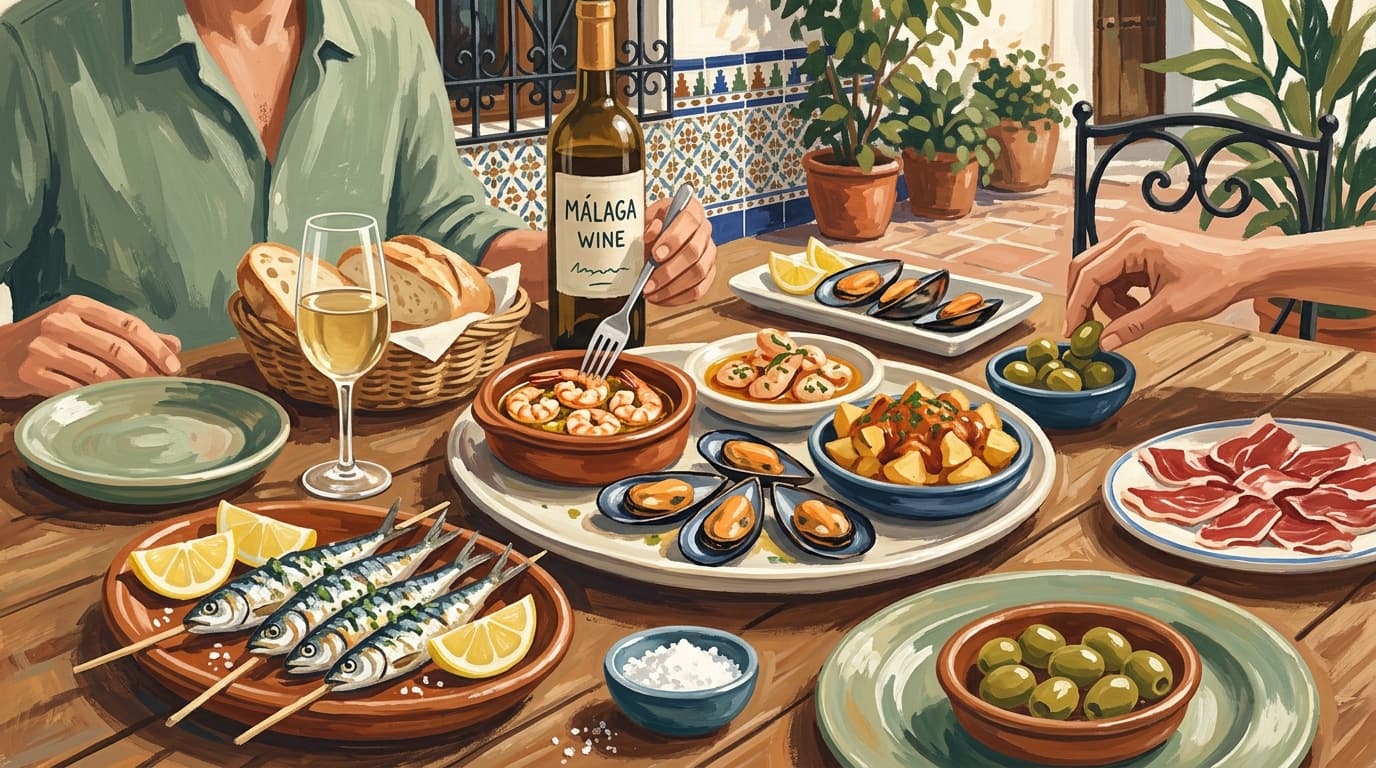
The star of the show here is the espeto de sardinas. These are six or seven fresh sardines skewered on a bamboo cane and grilled over an open fire, usually built inside an old fishing boat filled with sand. The key is the olive wood fire, which imparts a specific smokiness to the oily fish. It is a simple, seasonal pleasure—the local rule is that sardines are best in months without an 'r' in their name (May to August), when the fish are fattest.
Miguelito el Cariñoso in Pedregalejo is an institution for this. It is unpretentious and loud, with tables spilling out onto the sand. Beyond the espetos, order the ensaladilla malagueña, a unique local potato salad made with oranges, salt cod (bacalao), and olives. It sounds like a strange combination, but the acidity of the citrus cuts through the salt of the fish perfectly. €€
Further along in El Palo, El Tintero offers a dining experience unlike any other. There is no menu. Instead, waiters run out of the kitchen carrying plates of steaming seafood, shouting what they have at the top of their lungs. If you want it, you shout back and wave them over. At the end of the meal, they count the plates on your table to tally the bill. It is chaotic, noisy, and quintessential Málaga. €€
Soho: Modernity and International Flavours
Between the Alameda Principal and the port lies Soho, the 'Art District'. Once a neglected neighbourhood, it has been revitalised by street art and a wave of new culinary ventures. This is where you come when you want a break from traditional tapas. The vibe is more international, with a focus on craft beer and fusion cooking.
La Fábrica is a massive microbrewery that has become the social hub of the area. They brew several varieties of beer on-site, including a particularly good Cruzcampo Malagueta, designed specifically for the local climate. The food menu matches the industrial setting, offering burgers, smoked meats, and tacos. €€
For something more intimate, Mamuchis is a quirky spot that focuses on 'world food'. The menu changes frequently but often includes dishes inspired by Southeast Asia or the Middle East, all made with ingredients sourced from the Atarazanas market. It is a testament to the city's growing appetite for global flavours without losing the local connection. €€
Ordering Like a Local
Navigating a Málaga menu requires a little insider knowledge. Firstly, understand the sizes: a tapa is a small snack, a media ración is a half-portion (perfect for two sharing), and a ración is a full plate. In Málaga, people often order 'al centro' (for the centre of the table) to share everything.
Coffee is its own language here. Don't just ask for a café con leche. Depending on the ratio of milk to coffee, you might want a nube (mostly milk with a drop of coffee), a sombra (a third coffee), or a mitad (half and half). This system was invented at the historic Café Central and remains the standard across the city.
When it comes to wine, Málaga is famous for its sweet fortified wines made from Pedro Ximénez or Moscatel grapes. While these are often served with dessert, a pajarete (a semi-sweet, dark wine) is a traditional local aperitif. Visit the legendary Antigua Casa de Guardia, the oldest tavern in the city, where they pour wine directly from the barrel and chalk your bill onto the wooden counter. €
Where to Find the Best
The Old Town (Centro Histórico)
Cortijo de Pepe: Located right on Plaza de la Merced, this is the place for traditional charcoal-grilled meats and classic tapas. Sit at the bar and try the lomo en manteca (pork loin preserved in lard) or the grilled octopus. It feels like stepping back forty years in the best possible way. €€
Uvedoble Taberna: A modern take on the classic tavern. Chef Willie Orellana reimagines traditional dishes with precision. The fideuá negra con calamares (thin pasta with squid ink) is exceptional, as is the mini kebab of prawns and pancetta. [AFFILIATE: restaurant booking in Málaga] €€€
Casa Lola: You will recognize this place by the permanent queue outside. It is famous for its pinchos (small snacks on bread) and vermouth on tap. While it is popular with tourists, the quality remains high and the prices are very reasonable. The boquerones en vinagre (anchovies in vinegar) are some of the best in the city. €
Pedregalejo & El Palo
Maricuchi: A slightly more refined chiringuito experience in Pedregalejo. It is known for its impeccably fresh fish, sold by weight. Ask for the lubina a la sal (sea bass baked in a salt crust), which is cracked open at the table. €€€
Pez Tomate: This spot brings a bit of Soho style to the beach. It offers excellent thin-crust pizzas alongside traditional fried fish, making it a great option if you are travelling with children who might be bored of sardines. The decor is bright and modern, providing a contrast to the rustic shacks nearby. €€
The Port (Muelle Uno)
José Carlos García: For those seeking the pinnacle of Málaga's dining scene, this Michelin-starred restaurant overlooks the harbour. The chef focuses on 'KM 0' ingredients, elevating humble local fish and vegetables to art forms. It is expensive, but it represents the absolute cutting edge of Andalucían gastronomy. €€€
More from Málaga
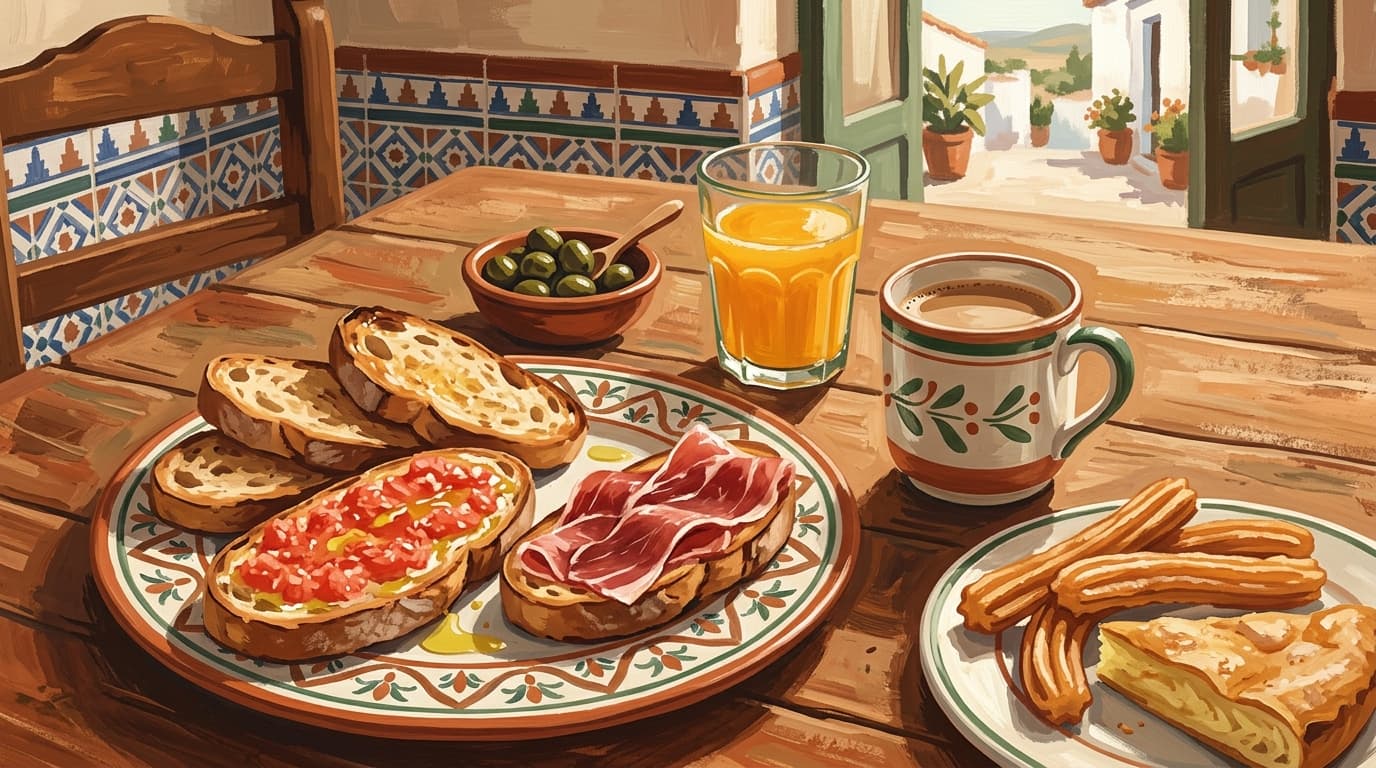
The Art of the Andalucían Breakfast and Merienda
To understand the soul of Andalucía, one must sit at a crowded bar at 10:00 am and wait for the scent of toasted bread and olive oil. It is a daily ritual that prioritises the simple pleasure of a slow morning over the rush of the working day.
6 min read
Read guide →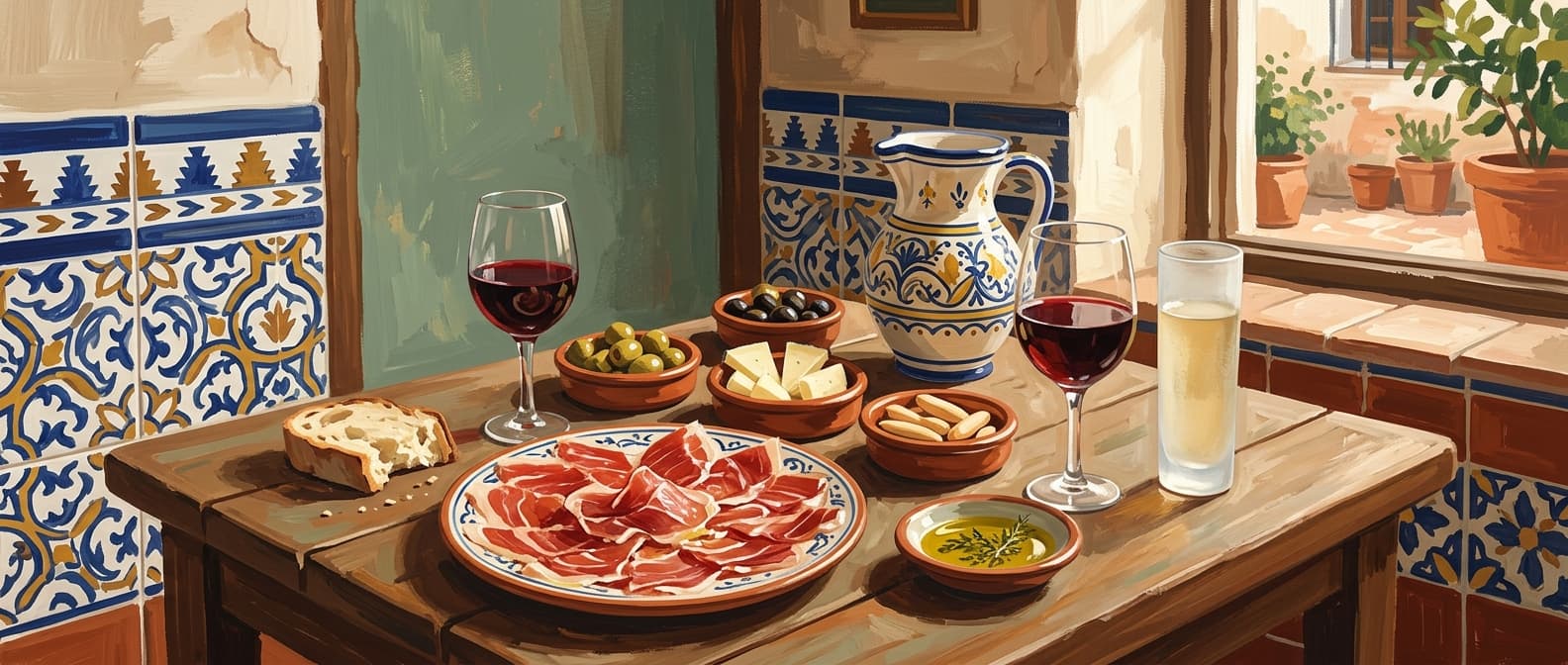
Jamón Ibérico: The Ultimate Guide to Andalucía’s Cured Gold
Discover the art of Jamón Ibérico, from the acorn-fed pastures of Jabugo to the high-altitude curing rooms of Trevélez. Learn how to decode the colour-coded labels and where to find the finest hand-carved plates in Andalucía.
6 min read
Read guide →
A Calendar of Flavour: The Best Food Festivals in Andalucía
From the smoky beach fires of Málaga to the prestigious ham auctions in Huelva, Andalucía’s food festivals offer a seat at the table of the region’s most authentic traditions.
7 min read
Read guide →
A Guide to Seasonal Eating in Andalucía
Discover the culinary calendar of Andalucía, from the sun-drenched tropical fruits of Granada to the smoky chestnut festivals of the Sierra mountains.
6 min read
Read guide →
The Liquid Gold of Andalucía: A Deep Dive into the World’s Best Olive Oil
Discover the secrets of Andalucía's liquid gold, from the vast groves of Jaén to the art of the perfect breakfast tostada. This guide covers varieties, harvest secrets, and the best mills to visit.
6 min read
Read guide →
Where to Eat in Huelva: From Atlantic Prawns to the Heights of Jabugo
Discover the culinary secrets of Spain's southwestern corner, where the Atlantic's finest white prawns meet the world's best acorn-fed ham.
6 min read
Read guide →
A Guide to Eating and Drinking in Ronda
Ronda’s culinary identity is built on rugged mountain ingredients, world-class red wines and the slow-braised richness of rabo de toro. From refined cliffside terraces to sawdust-floored tapas bars, here is where to find the town’s authentic flavours.
7 min read
Read guide →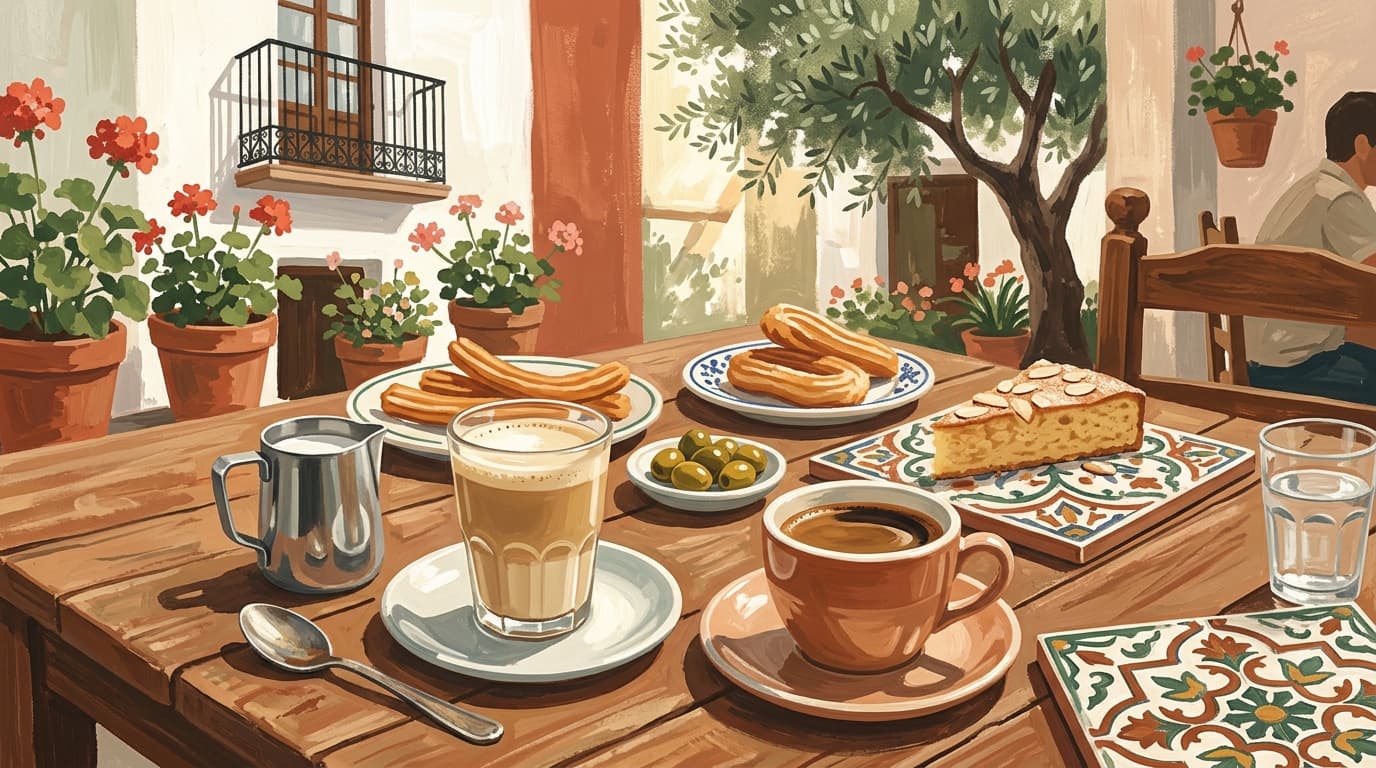
Coffee Culture in Andalucía: From Málaga's Nubes to Seville's Speciality Roasts
A deep dive into the unique rituals, specific terminology, and the best third-wave roasters across the eight provinces of Southern Spain.
7 min read
Read guide →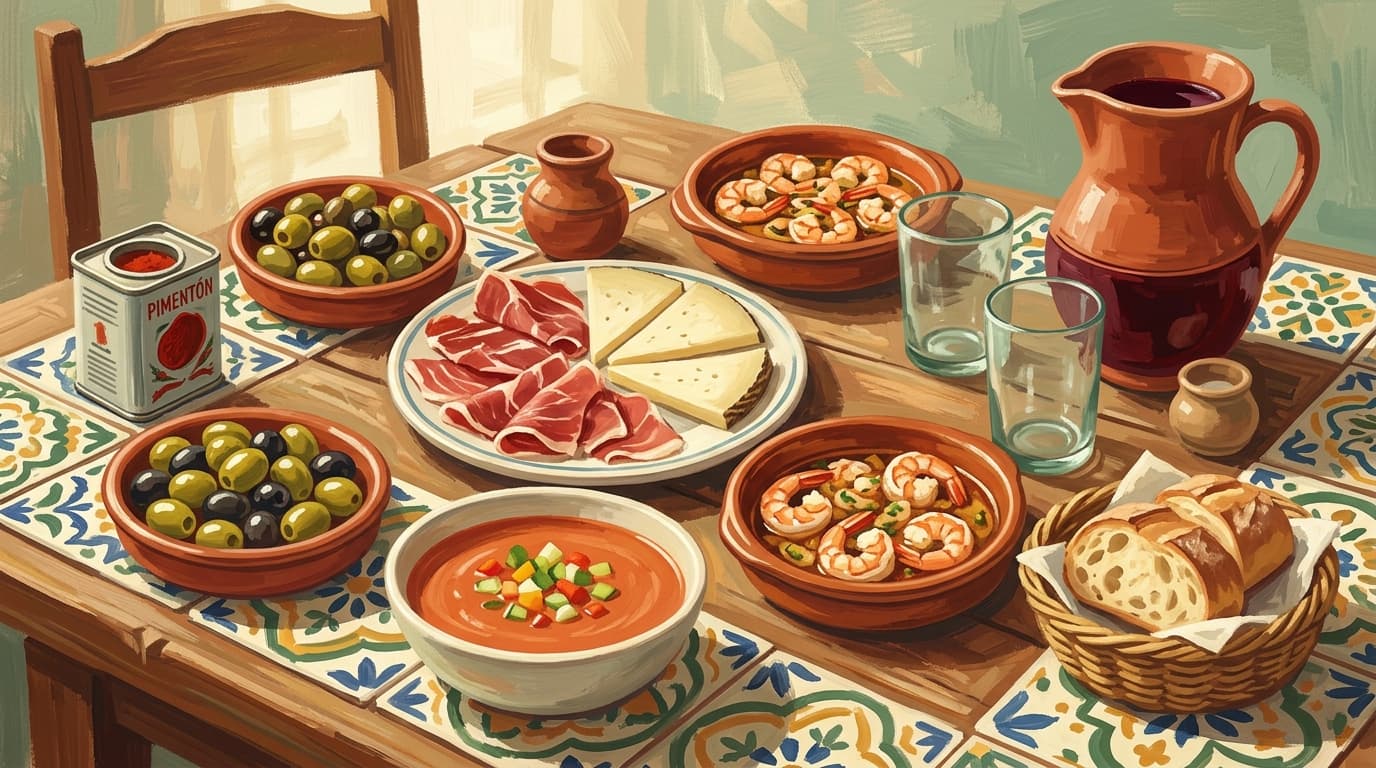
A Guide to Markets and Food Shopping in Andalucía
To understand the rhythm of life in Andalucía, you must follow the morning queue at the local food market. The mercado de abastos remains the undisputed heart of every town, where seasonal quality dictates the daily menu.
6 min read
Read guide →Newsletter
More stories from Andalucía
Weekly notes, seasonal picks, and the next guides worth bookmarking.