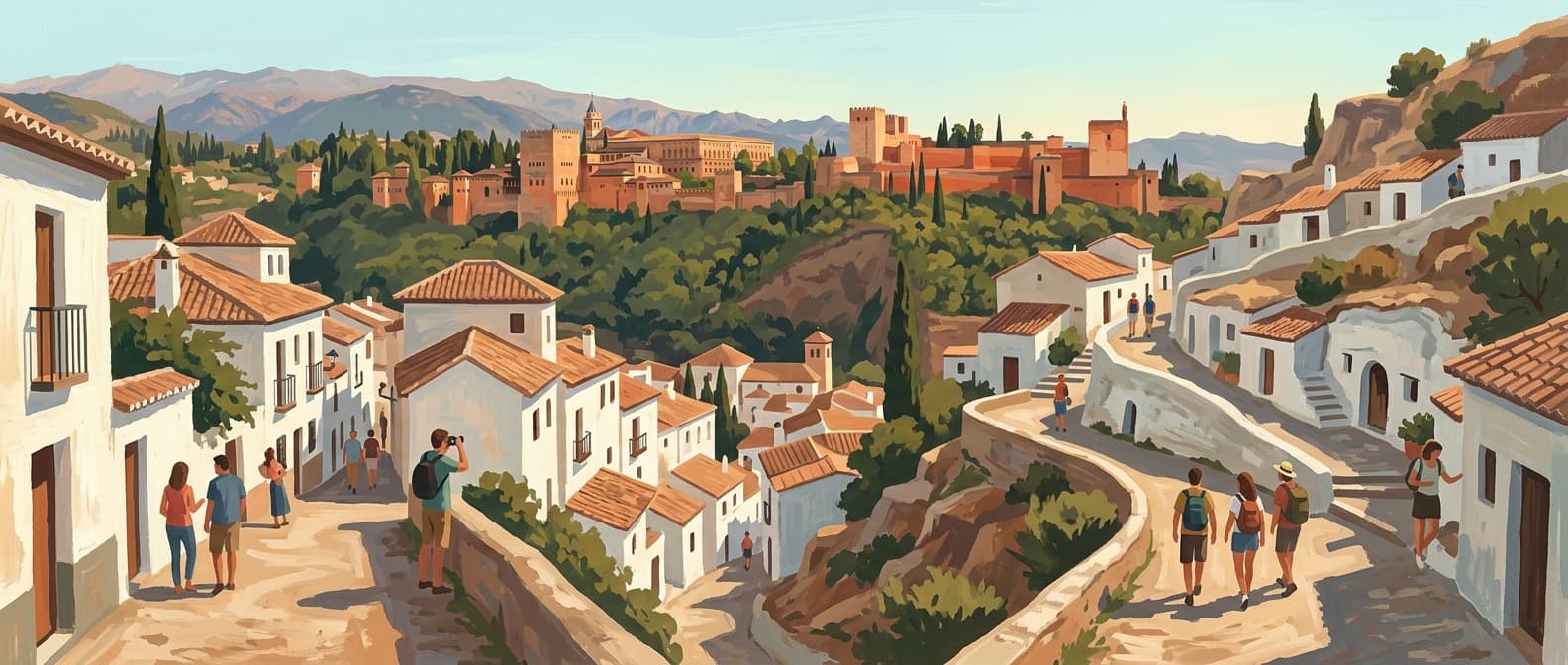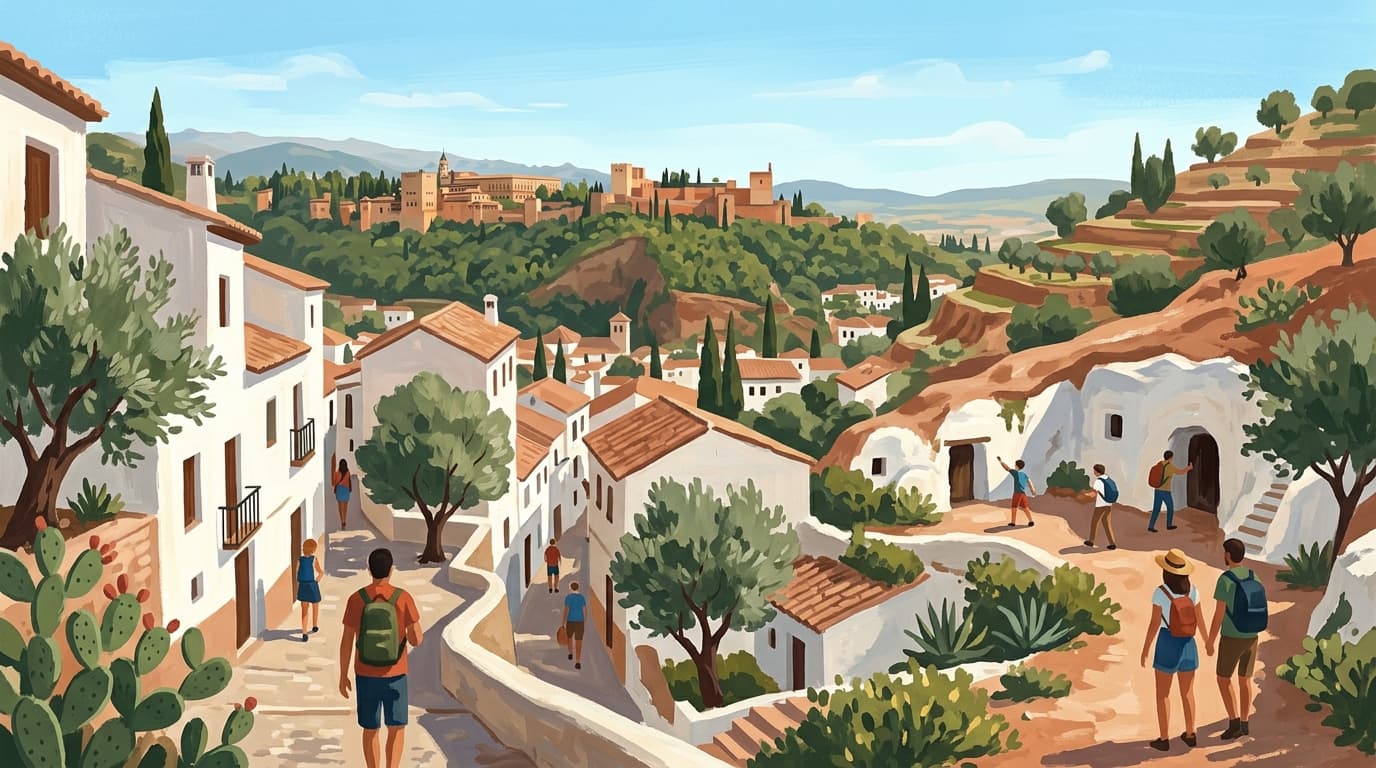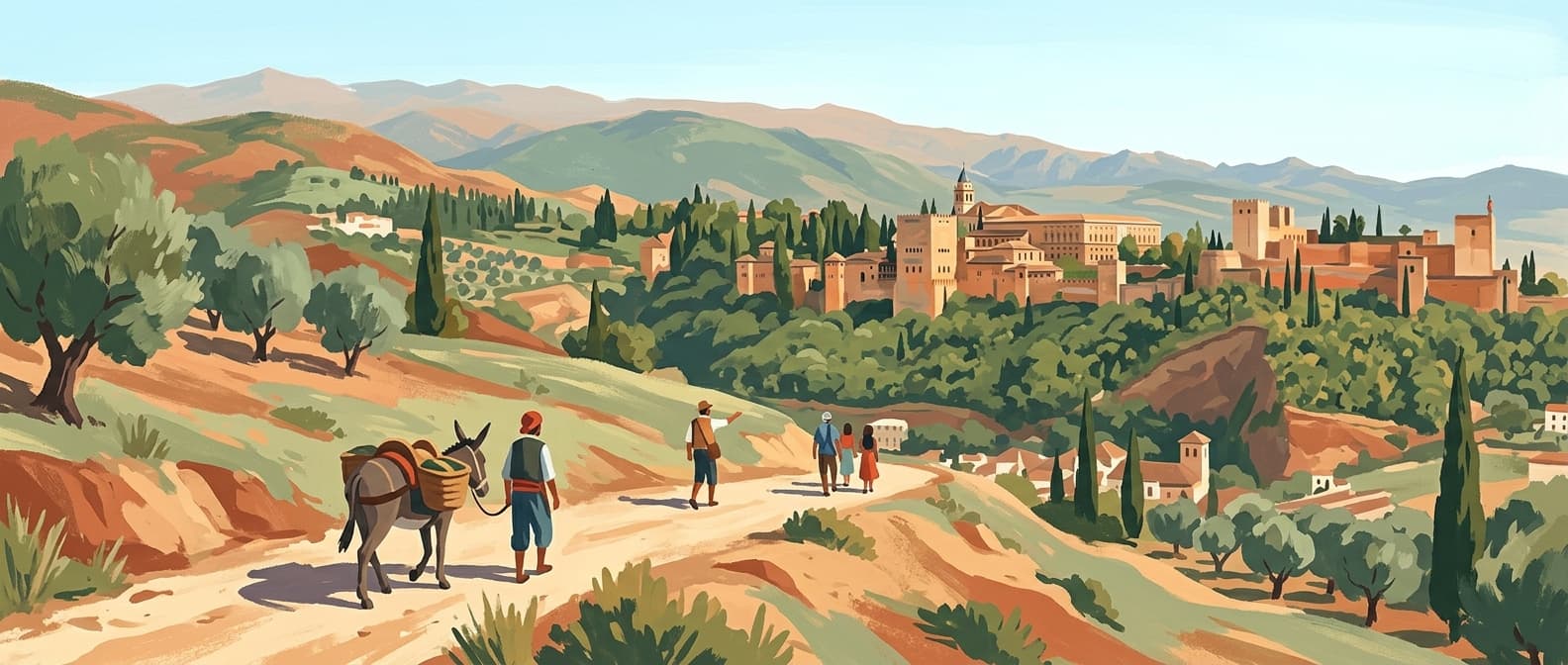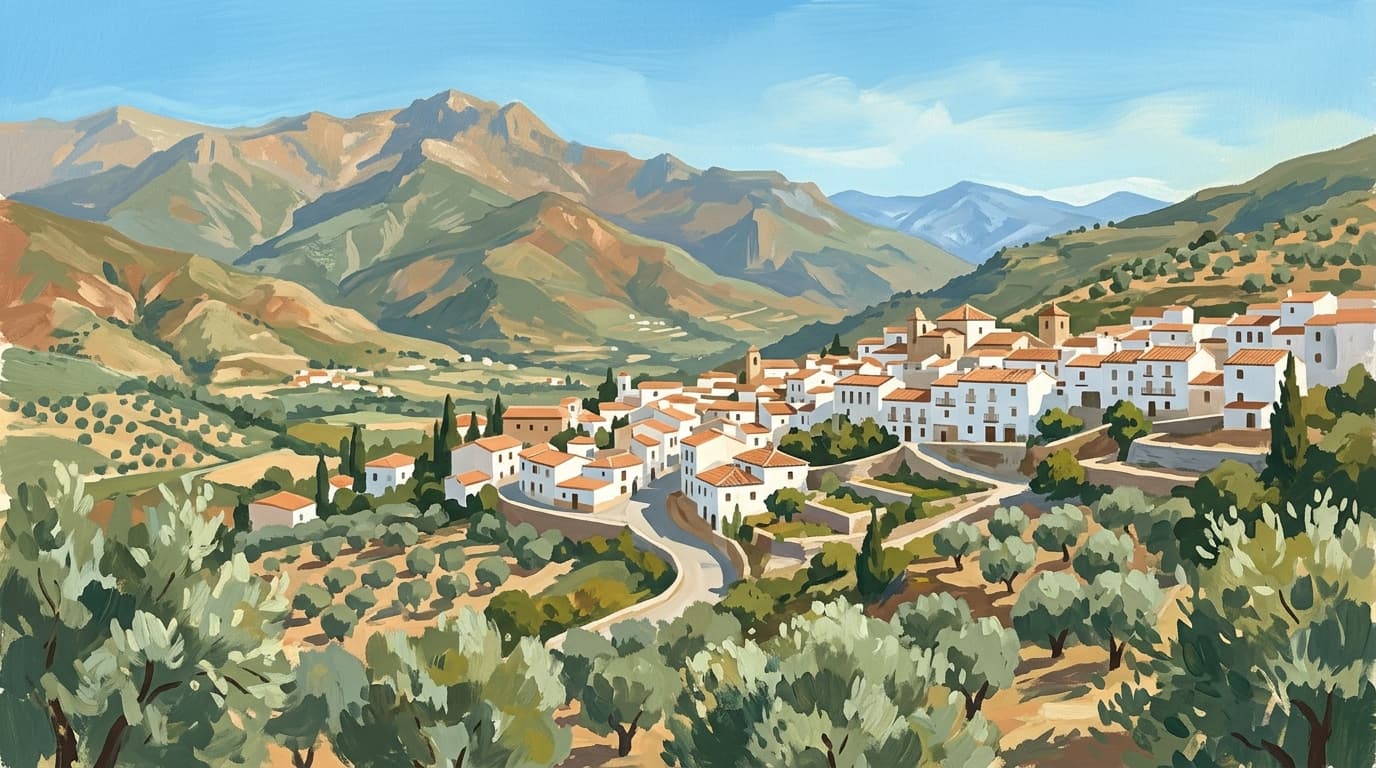
Dúrcal acts as the gateway to the Lecrín Valley, offering a mix of dramatic river walks and a genuine agricultural character. It is a town defined by its bridges and the rushing waters of the river that shares its name.
Situated roughly halfway between the city of Granada and the tropical coastline of the Mediterranean, Dúrcal is the largest town in the Lecrín Valley. While many visitors speed past on the A-44 motorway, those who take the turn-off find a community that retains a strong connection to its agricultural roots and an environment shaped by the snowmelt of the Sierra Nevada. The town sits on a high plateau, overlooking a deep ravine carved out by the Río Dúrcal over millennia. This geography has dictated the town's development, leading to its reputation as a place of bridges and moving water.
Unlike some of the more manicured white villages of the Alpujarra, Dúrcal feels lived-in and functional. It is a town where the sound of the irrigation channels (acequias) provides a constant soundtrack to daily life. The air here is noticeably cooler and fresher than in the Granada basin, making it a popular retreat during the height of the Andalucían summer. For the traveller, Dúrcal serves as an excellent base for exploring the wider "Valley of Happiness," providing a balance of modern amenities and immediate access to some of the most spectacular river scenery in the province.
What to See & Do
The Three Bridges of Dúrcal
The most iconic images of Dúrcal involve its bridges, which span the deep gorge of the river. There are three principal structures, each representing a different era of engineering. The most famous is the Puente de Hierro (Iron Bridge), often referred to locally as the Puente de Lata or the Tin Bridge. It was designed by a disciple of Gustave Eiffel and originally stood in another part of Spain before being moved here in the 1920s to serve the old tram line between Granada and the valley. Today, it is a pedestrian walkway, offering dizzying views of the valley floor 50 metres below.
Adjacent to the iron structure is the Puente de Isabel II, a stone bridge dating back to the mid-19th century that once carried the main road to the coast. Finally, the modern concrete viaduct of the motorway looms high above, completing a trio of engineering feats that demonstrate how humans have grappled with this challenging terrain over the centuries. Walking across the Iron Bridge at sunset is a particular highlight, as the metalwork catches the orange light and the Sierra Nevada peaks glow in the distance.
The River Walk and Cascada de los Bolos
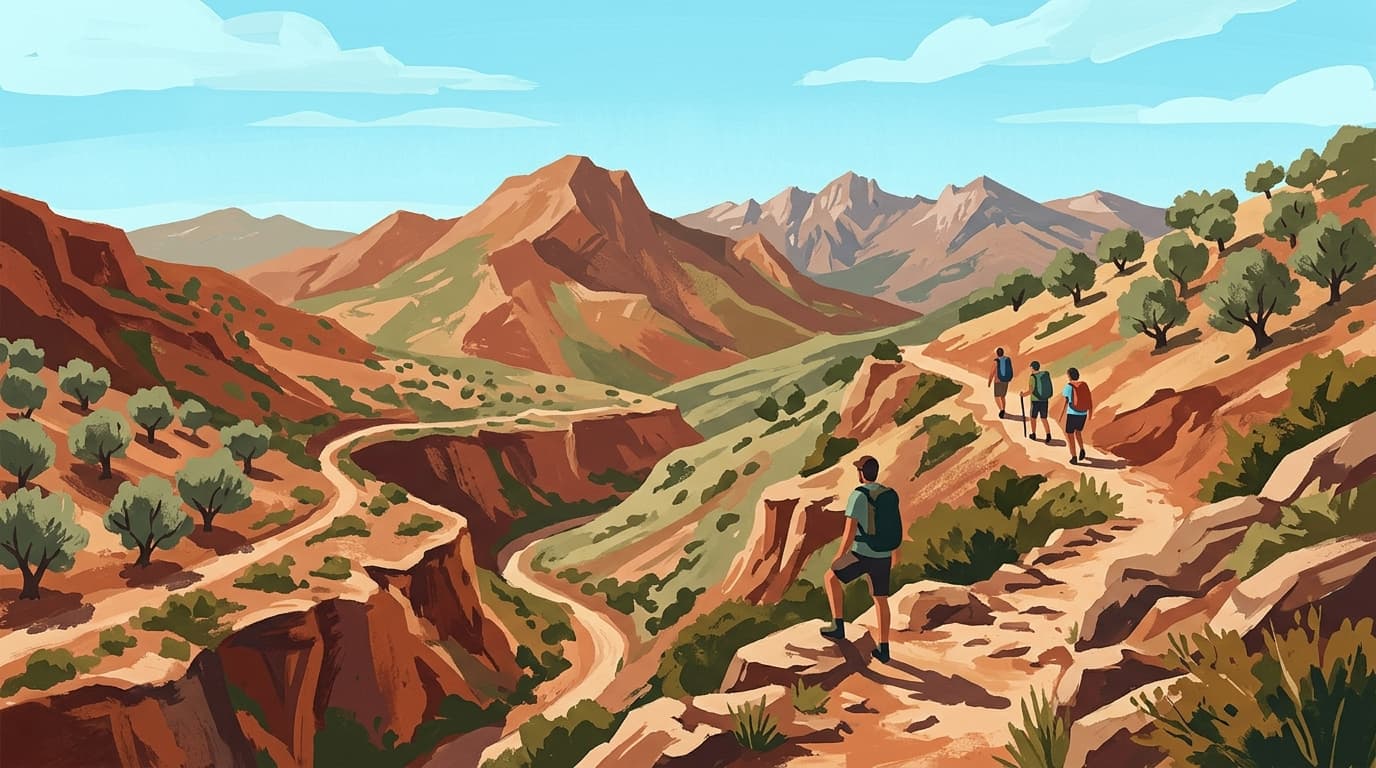
For those who enjoy active exploration, the Sendero del Río Dúrcal is the town’s greatest asset. The path begins near the bridges and descends into the lush valley floor. This is a landscape of pomegranate trees, orange groves, and towering poplars. The most sought-after destination on this route is the Cascada de los Bolos, a stunning waterfall reached by a trek that involves wading through the river itself. This is not a casual stroll; you will need sturdy water shoes or old trainers that you don't mind getting wet, as the path frequently disappears into the water.
Another fascinating walk is the Canal de Fuga. This path follows an old narrow water channel built for a hydroelectric plant. It is a level walk but sits on a high ledge, providing a bird's-eye view of the river and the surrounding orchards. The irrigation system here is a legacy of the Moorish period, and seeing these ancient channels still in use today is a testament to the enduring agricultural intelligence of the region.
The Peñón de los Moros
Overlooking the river are the ruins of the Peñón de los Moros, a medieval fortress that once guarded the passage through the valley. While only fragments of the walls and the cistern remain, the site offers a panoramic view of Dúrcal and the neighbouring villages of Nigüelas and Lecrín. The climb to the ruins is steep, but it provides context for the town’s strategic importance during the Nasrid Kingdom of Granada. It is a quiet, contemplative spot, far removed from the activity of the town centre.
Local Markets and the Town Centre
The heart of Dúrcal is the Plaza de España, home to the Church of the Immaculate Conception, a 16th-century building with a classic Mudéjar timber ceiling. The square is the social hub of the town, particularly on Tuesday mornings when the local market takes place. This is an excellent opportunity to buy Lecrín Valley produce directly from the growers. Look for the famous Dúrcal lemons, local honey, and avocados grown on the lower slopes near the coast. The market is unpretentious and geared towards residents, offering a genuine glimpse into the local economy.
Practical Information
How to get there: Dúrcal is located 25 kilometres south of Granada. By car, take the A-44 motorway and use exit 157. The drive takes approximately 20 to 25 minutes. If you are travelling by public transport, the ALSA bus service runs frequently from Granada’s main bus station and the Palacio de Congresos. The journey takes about 45 minutes and costs roughly €2.50 each way.
Parking: In the town centre, parking can be tight during market days (Tuesday). There is a large public car park near the health centre (Centro de Salud) and ample space near the bridges if you are arriving specifically for the river walks.
Timing your visit: The waterfalls are best visited in late spring or early summer when the water levels are manageable but the weather is warm enough for wading. During the winter, the river can be too cold and the flow too strong for the trek to the Cascada de los Bolos. The bridges and town centre are accessible year-round.
Tickets: There are no entry fees for the bridges, the river walks, or the Peñón de los Moros. Access to these natural and historical sites is free of charge.
Where to Eat Nearby
Dúrcal is known for its hearty, traditional cooking. Restaurante El Despacho is a local favourite, specialising in grilled meats cooked over olive wood. Their "papas a lo pobre" (poor man’s potatoes) are a staple, often served with local longaniza sausage. For a more casual experience, Bar El Zahor near the main square offers excellent tapas with every drink; the house specialty often involves locally sourced seasonal vegetables or slow-cooked stews. If you are looking for a meal with a view, Bar La Isla, located near the river, provides a shaded terrace where you can enjoy fried fish and cold beer while listening to the water rushing past.
Where to Stay
Accommodation in Dúrcal is primarily focused on rural tourism. Molino del Puente is a beautifully restored flour mill that offers guest rooms and an outdoor pool, retaining many of its original industrial features. For larger groups, several traditional village houses are available for short-term rental through local agencies. These houses often feature internal courtyards and roof terraces with views over the valley. Staying in the town provides an authentic experience of Lecrín Valley life, with easy access to both the mountains and the sea.