things to do · Granada
Granada's Enduring Moorish Soul: Uncovering Hidden Gems and Ancient Echoes
Discover Granada's profound Moorish legacy beyond the Alhambra, delving into the ancient Albaicín quarter, hidden architectural gems, and the vibrant cultural tapestry that defines this enchanting Andalusian city.
things to do · Granada
Granada's Enduring Moorish Soul: Uncovering Hidden Gems and Ancient Echoes
14 April 2026 · 988 words
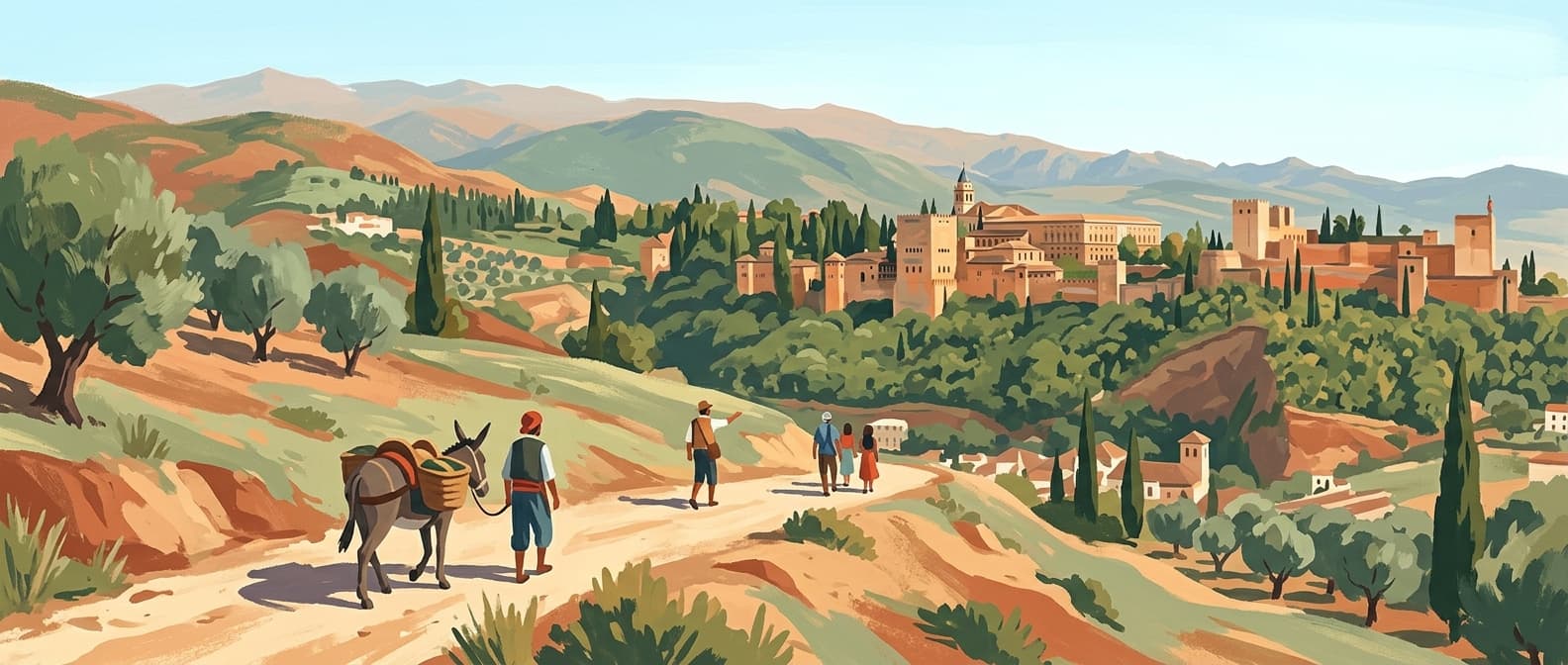
Granada, nestled at the foot of the Sierra Nevada, is a city where every cobblestone whispers tales of a glorious past. While the Alhambra undeniably stands as its crown jewel, the true essence of Granada’s profound Moorish soul extends far beyond its formidable walls. This article invites you to journey deeper, exploring the intricate layers of Islamic heritage that permeate the city’s historic quarters, its hidden courtyards, and its vibrant cultural expressions. From the labyrinthine alleyways of the Albaicín to lesser-known architectural marvels, we uncover the enduring legacy of Al-Andalus, offering a perspective that enriches any visit to this captivating Andalusian gem. Prepare to lose yourself in a world where history breathes in every archway and mosaic, revealing the multifaceted identity of Granada.
The Labyrinthine Charms of the Albaicín
The Albaicín, Granada’s oldest Arab quarter, is a UNESCO World Heritage site and a living museum of Moorish urban planning. Its steep, winding streets, whitewashed houses adorned with vibrant geraniums, and unexpected plazas offer a sensory feast. To truly appreciate its charm, one must wander aimlessly, allowing the narrow passages to guide you. While the Mirador de San Nicolás offers unparalleled panoramic views of the Alhambra against the Sierra Nevada backdrop, venture further to discover quieter viewpoints and hidden carmenes – traditional Grenadine houses with walled gardens that offer serene escapes from the bustling streets. These private havens, often concealed behind humble facades, exemplify the Moorish love for water features, lush greenery, and intimate outdoor spaces. The essence of the Albaicín lies in its ability to transport you back centuries, feeling the echoes of its Nasrid inhabitants.
Architectural Wonders Beyond the Alhambra
Beyond the Albaicín’s residential beauty, Granada boasts several significant architectural remnants of its Islamic past that are often overshadowed by the Alhambra.
El Bañuelo (Arab Baths)
Nestled by the Carrera del Darro, El Bañuelo is one of Spain’s best-preserved 11th-century Arab baths. Its serene atmosphere, star-shaped skylights, and original horseshoe arches offer a fascinating glimpse into a crucial aspect of Moorish daily life and hygiene.
Corral del Carbón
A stone's throw from the bustling city centre, the Corral del Carbón is the only remaining Nasrid caravanserai on the Iberian Peninsula. Built in the 14th century, this former inn for merchants features a magnificent horseshoe arch entrance and a peaceful central courtyard, a testament to Granada’s historical importance as a trade hub.
Palacio de la Madraza
Located opposite the Royal Chapel, the Palacio de la Madraza was Granada’s first university, founded in the 14th century by Yusuf I. Although much of its original structure was destroyed after the Reconquista, a stunning original octagonal mihrab (prayer niche) and intricate stucco work have been beautifully restored, showcasing the intellectual prowess of Nasrid Granada.
Sacromonte's Flamenco Heart and Cave Dwellings
Perched on the hillside opposite the Alhambra and adjacent to the Albaicín, Sacromonte offers a distinctly different, yet equally integral, facet of Granada's soul. Famous for its unique cave dwellings (cuevas) and as the heartland of Granadine flamenco (zambra), this quarter tells a story of mixed cultures – Roma, Jewish, and Moorish – coexisting and creating a vibrant, passionate heritage. Visiting a zambra in a cave house provides an authentic, intimate flamenco experience, deeply rooted in the local traditions. Above, the Abadía del Sacromonte, a 17th-century abbey, offers incredible views and houses relics and a fascinating history, including catacombs believed to be the site of early Christian martyrdom. While distinct from the strict Moorish architectural focus, Sacromonte embodies the spirit of cultural fusion that defined Granada for centuries.
Scent of Spices and Souks: Granada's Gastronomy and Craft
Granada's Moorish influence extends deliciously into its gastronomy and vibrant artisan traditions. Wander down Calderería Nueva, often dubbed the "Tea Street," where the air is thick with the scent of mint tea, shisha, and exotic spices. Moroccan-style tea houses (teterías) invite you to relax with a sweet pastry and a fragrant brew, a culinary nod to the city's North African connections. Beyond food, the legacy of skilled craftsmanship thrives. Seek out workshops specialising in taracea – intricate marquetry inlay work using different woods, bone, and mother-of-pearl – a direct descendant of Nasrid artisanal techniques. You’ll also find beautiful hand-painted ceramics, often inspired by traditional Islamic geometry and patterns, offering perfect souvenirs that carry the essence of Granada's rich past.
Practical Information
- Getting There: The Albaicín and Sacromonte are best explored on foot, but be prepared for steep, cobblestone streets. Small, electric city buses (C31, C32, C34) serve these areas, offering a convenient way to ascend. Taxis are also readily available.
- El Bañuelo: Located at Carrera del Darro, 31.
- Opening Hours: Generally 09:30-18:30 (Tues-Sat), 09:30-14:30 (Sun, Mon). Check seasonal variations.
- Price: €5 (includes Casa Morisca del Horno de Oro and Palacio de Dar al-Horra).
- Corral del Carbón: Located at Calle Mariana Pineda, 12 (near the Cathedral).
- Opening Hours: Generally 09:00-20:00 (Mon-Sun).
- Price: Free entry to the courtyard.
- Palacio de la Madraza: Located at Calle Oficios, 14.
- Opening Hours: Generally 10:00-20:00 (Mon-Fri), 10:00-14:00 (Sat, Sun).
- Price: Free entry to the main hall; guided tours or specific exhibition access may incur a small fee (e.g., €2).
- Flamenco Shows (Sacromonte): Numerous venues exist. Book in advance, especially for evening shows. Prices typically range from €25-€35, often including a drink.
- Best Time to Visit: Spring (April-May) and Autumn (September-October) offer pleasant temperatures and fewer crowds than the peak summer months.
Planning Your Exploration
To truly embrace Granada's Moorish soul, allow yourself ample time to wander and get lost. Don't rush from one landmark to another; instead, savour the atmosphere, linger in a tetería, and soak in the views. Consider a guided walking tour of the Albaicín and Sacromonte to gain deeper insights into their complex histories. For contrasting experiences, a visit to the Generalife gardens adjacent to the Alhambra offers another perspective on Nasrid landscape architecture, while a day trip to the majestic Sierra Nevada provides stunning natural beauty and outdoor activities, completing your Andalusian adventure. Granada is a city that rewards those who explore beyond the obvious, revealing layers of history, culture, and undeniable charm at every turn.
More from Granada

Cycling the Vías Verdes of Andalucía: A Complete Guide
Explore the disused railway lines of Andalucía. Our guide covers the best Vías Verdes for cycling, from the tunnels of Cádiz to the olive groves of Jaén.
7 min read
Read guide →
Exploring the Heavens: A Practical Guide to Stargazing in Andalucía
Andalucía offers some of Europe’s clearest night skies, particularly within its expansive Starlight Reserves. This guide covers the best locations and practical tips for observing the Milky Way across the southern Spanish landscape.
6 min read
Read guide →
The Best Water Sports in Almería: A Coastal Guide
Discover the rugged volcanic coastline of Almería through world-class diving, kayaking, and paddleboarding in the protected waters of Cabo de Gata.
6 min read
Read guide →
The Best Day Trips from Huelva
Huelva serves as the perfect launchpad for exploring the crimson Rio Tinto, the caves of Aracena, and the wild marshes of Doñana National Park.
6 min read
Read guide →
Exploring the Trails of Córdoba: From the Sierra Morena to the Subbética
Escape the city heat and explore the diverse landscapes of Córdoba, from the rugged limestone peaks of the south to the Mediterranean forests of the Sierra Morena.
6 min read
Read guide →
A Guide to Hiking and Walking in Jaén
Jaén holds the largest expanse of protected forest in Spain, offering everything from riverside strolls to high-altitude mountain challenges. This guide explores the rugged terrain of Cazorla and beyond.
6 min read
Read guide →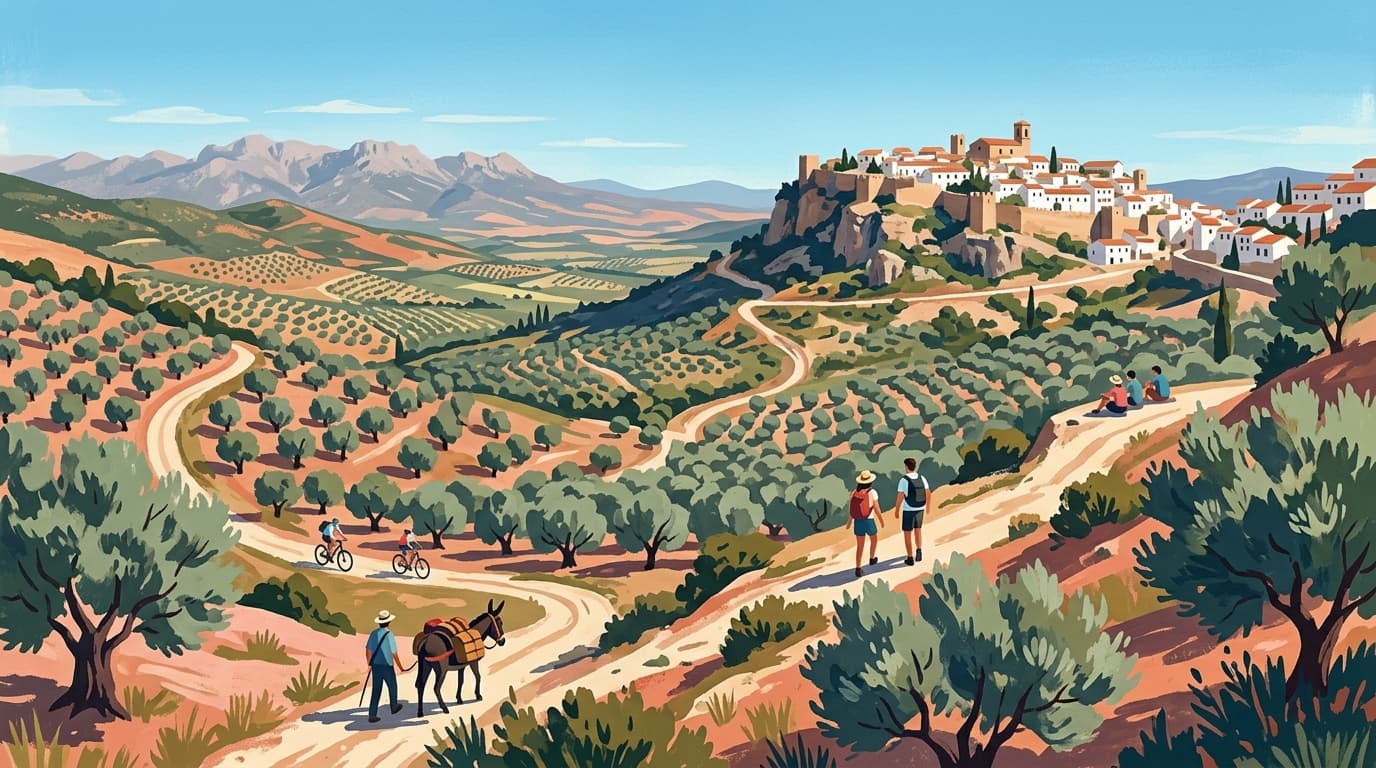
Exploring Beyond the Olive Groves: The Best Day Trips from Jaén
Discover the best day trips from Jaén, from the Renaissance splendours of Úbeda and Baeza to the rugged peaks of the Sierra de Cazorla and ancient Moorish fortresses.
7 min read
Read guide →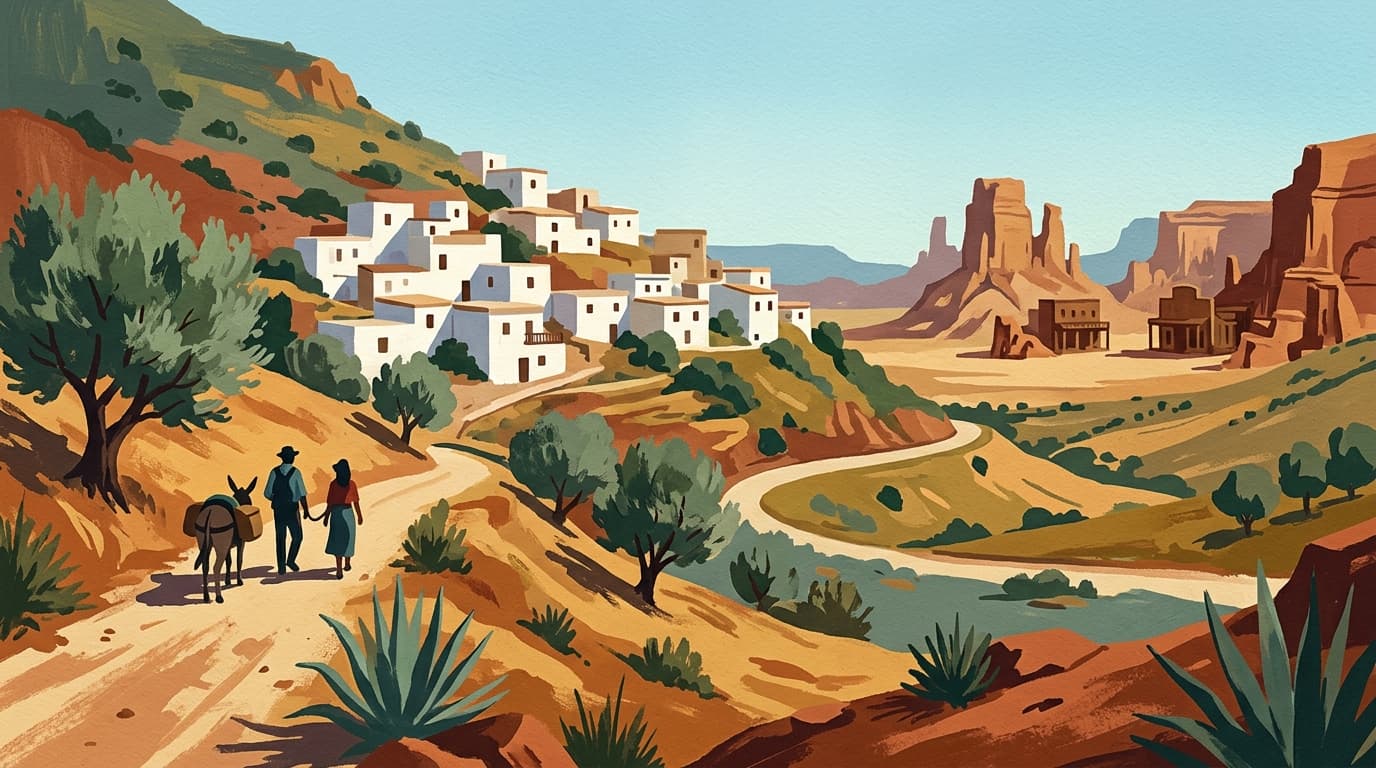
The Best Day Trips from Almería: From Desert Film Sets to Whitewashed Villages
Discover the rugged beauty of Almería with day trips to the volcanic Cabo de Gata coast, the cinematic Tabernas Desert, and the white-washed streets of Mojácar.
6 min read
Read guide →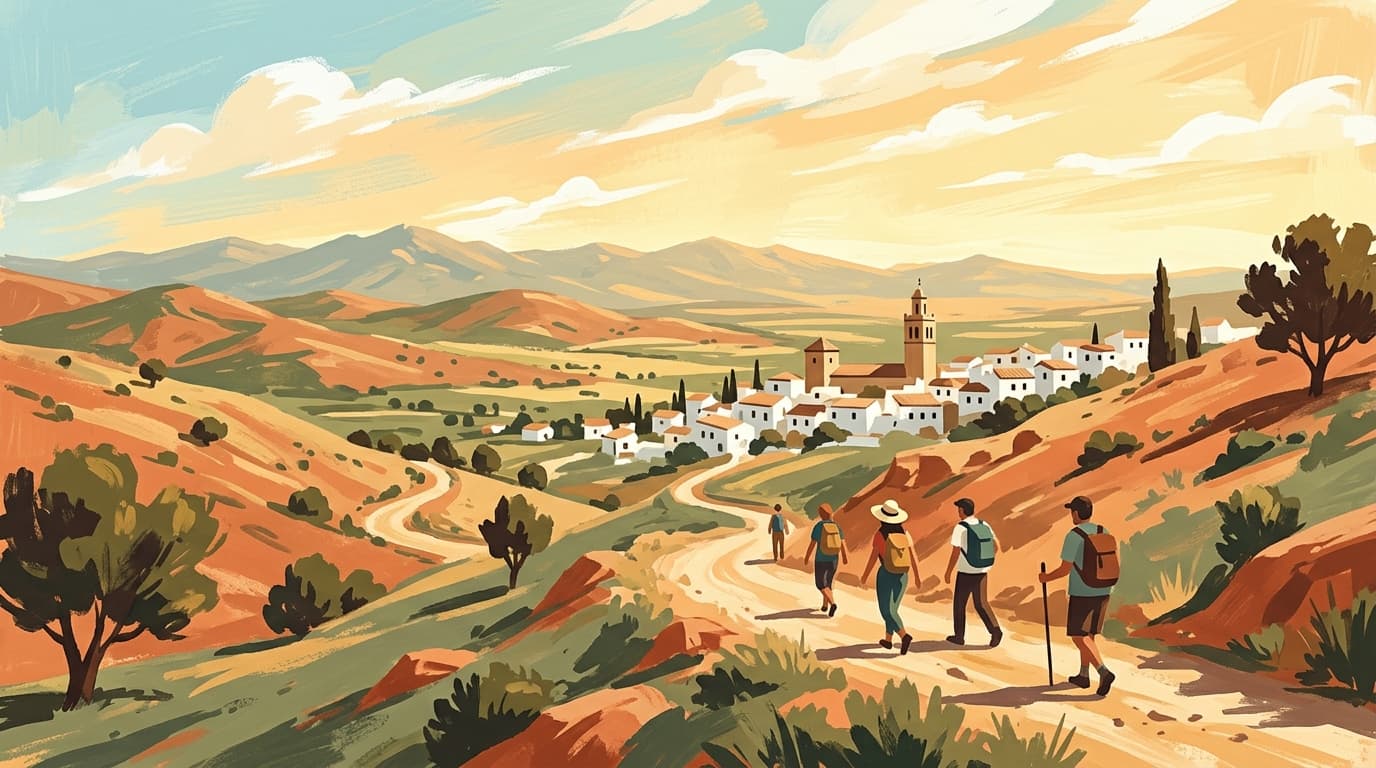
Beyond the Mezquita: The Best Day Trips from Córdoba
Discover the best day trips from Córdoba, from the ruins of Medina Azahara to the white villages and olive groves of the Subbética mountains.
9 min read
Read guide →Newsletter
More stories from Andalucía
Weekly notes, seasonal picks, and the next guides worth bookmarking.