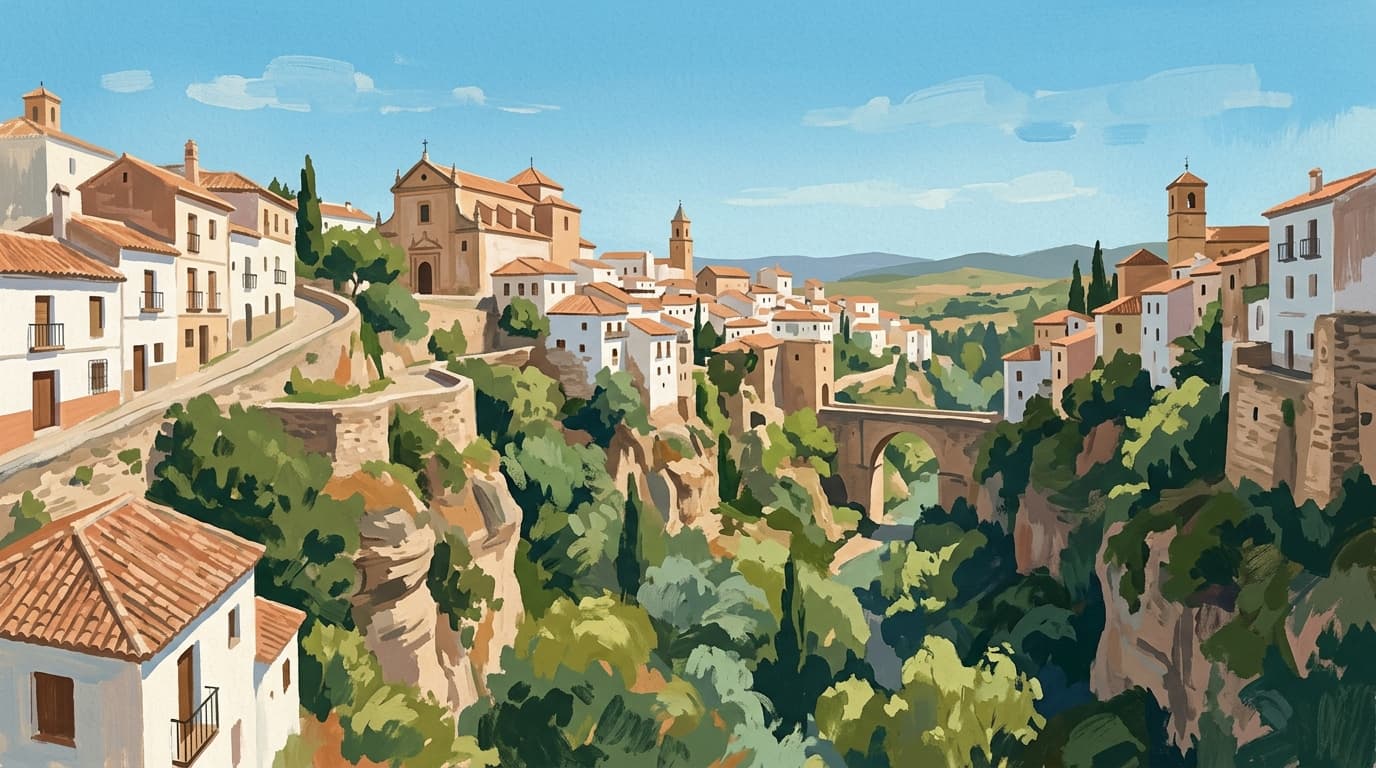
Perched precariously on the edge of a limestone plateau, Alhama de Granada is a town defined by the dramatic geology of its surroundings and the soothing warmth of its ancient springs. It offers a rare combination of raw natural power and civilised relaxation, where the echoes of Moorish laments still linger in the mountain air.
To understand Alhama de Granada, one must first look down. This white-washed town in the Poniente Granadino region doesn’t just sit in the landscape; it clings to it. Situated roughly 55 kilometres southwest of Granada city, it occupies a strategic spur of rock overlooking the gorge of the Alhama River. The name itself reveals the town's primary purpose—derived from the Arabic Al-Hammam, meaning the baths. For millennia, travellers have detoured here to soak in waters that emerge from the earth at a constant 47 degrees Celsius.
Beyond the steam of the thermal pools, Alhama is a place of high drama. It was the first major town to fall to the Catholic Monarchs in 1482, an event so catastrophic for the Nasrid Kingdom that it inspired the famous ballad ¡Ay de mi Alhama! (Woe is me, Alhama). Today, the town is far more peaceful, drawing hikers to its vertical cliffs and weary souls to its medicinal waters. It remains an authentic Andalusian experience, largely free from the crowds that congregate around the Alhambra, yet every bit as evocative of the region's complex past.
What to See & Do
The Tajos de Alhama Gorge Walk
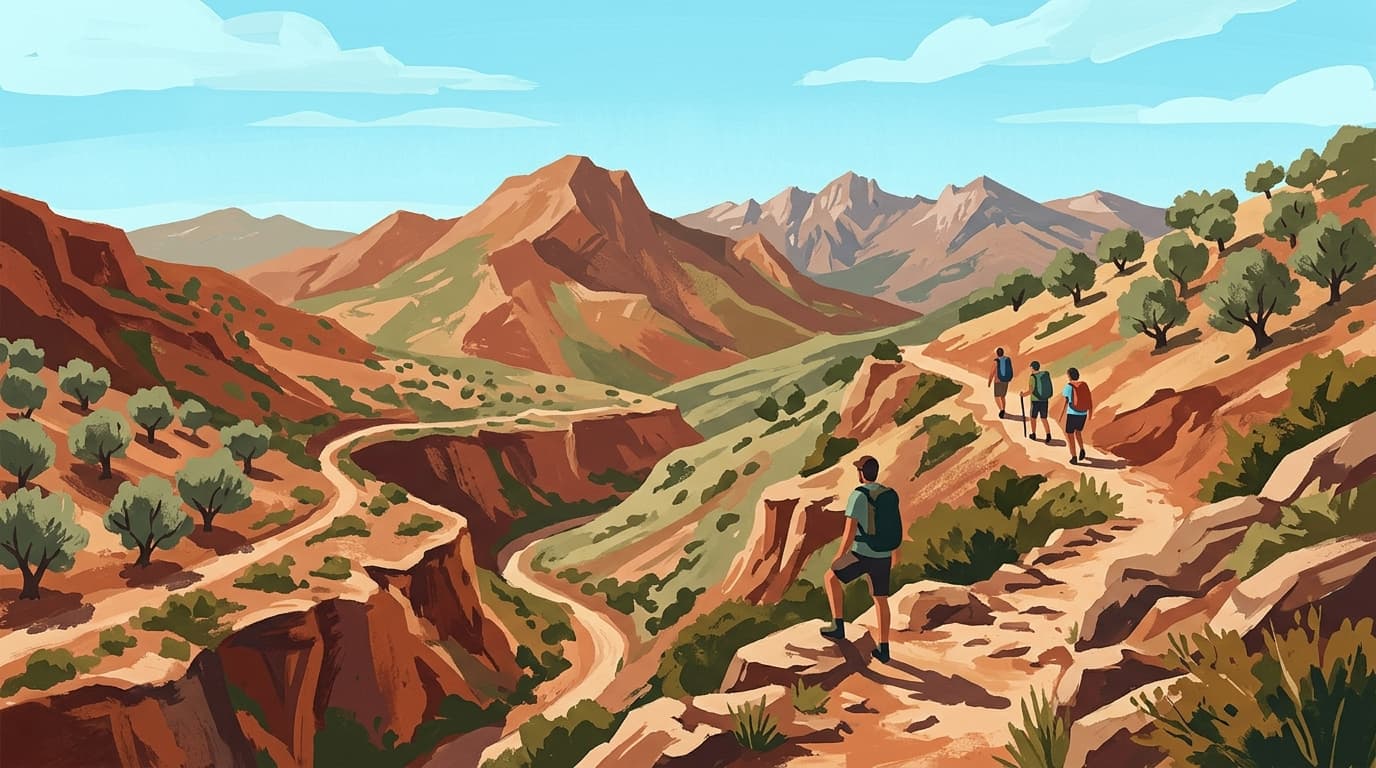
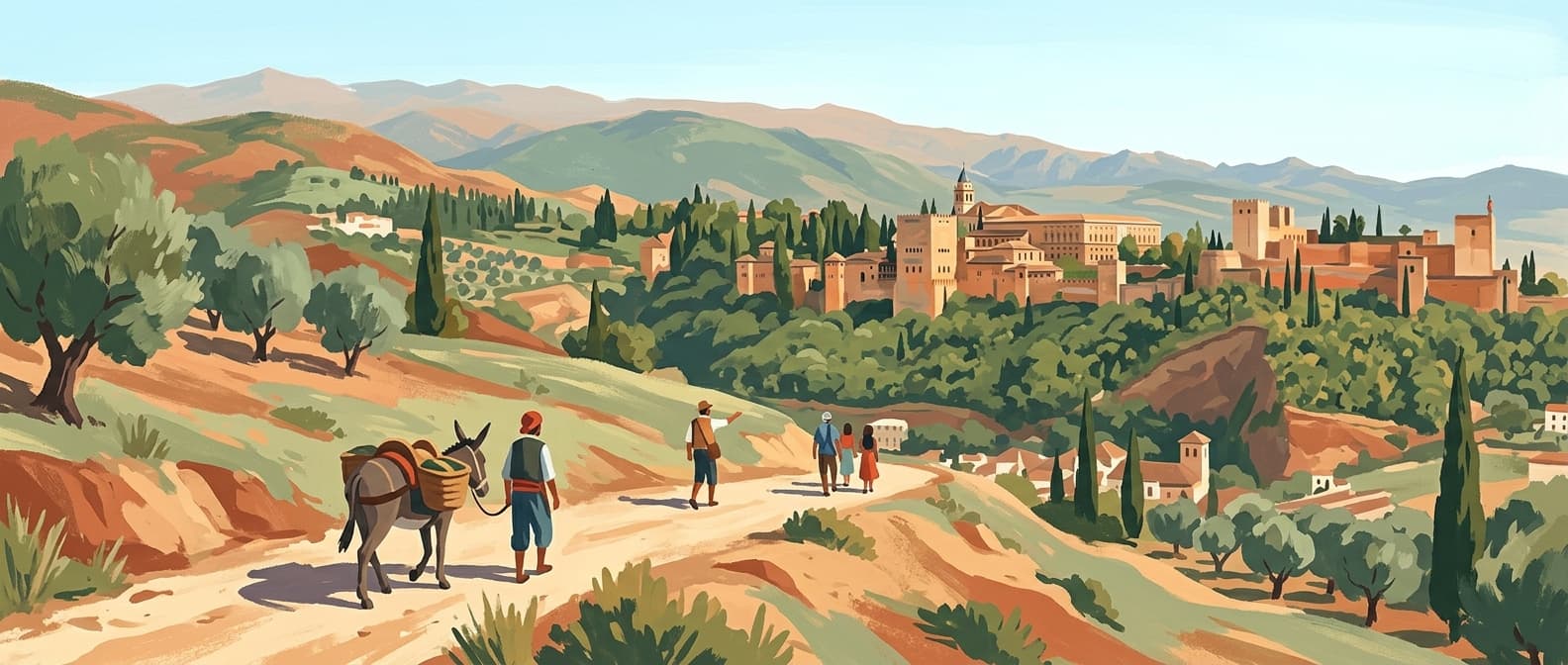
The most immediate and striking feature of the town is the Tajos—a series of vertical limestone cliffs that drop nearly 100 metres into the riverbed below. A well-maintained walking route allows you to explore this natural monument. The path typically begins near the Plaza de la Constitución, descending from the old town into the bottom of the gorge. As you walk, the sheer scale of the rock walls becomes apparent, dwarfing the flour mills and hermitages that cling to the riverbank.
The loop is approximately 7 to 8 kilometres long and takes about two to three hours at a leisurely pace. You will pass the Ermita de los Ángeles, a small chapel carved into the rock, and follow the river as it winds through poplar groves and past ancient stone bridges. The trail provides a unique perspective on the town's defensive position; looking up at the houses teetering on the edge of the abyss, it is easy to see why Alhama was considered an impregnable fortress for centuries.
The Balneario and the Arab Baths
The thermal springs are located about three kilometres outside the town centre. While modern spa facilities are available, the highlight for any visitor is the 12th-century Almohad bathhouse located within the grounds of the Hotel Balneario. This is one of the best-preserved examples of its kind in Spain. The central pool is surrounded by elegant horseshoe arches and topped with a vaulted ceiling. Small, star-shaped skylights pierce the roof, casting shafts of natural light that dance on the steaming water.
For those who prefer a more informal soak, there are the Poscillas—free, natural pools located just outside the official spa gates. Here, the thermal water overflows into the river, creating small basins where locals and visitors sit among the reeds. Even in the height of winter, the water remains hot, providing a surreal experience as steam rises into the cold mountain air. The minerals in the water—calcium, magnesium, and sulphates—have been sought after since Roman times to treat everything from arthritis to respiratory issues.
The Historic Quarter and the Parish Church
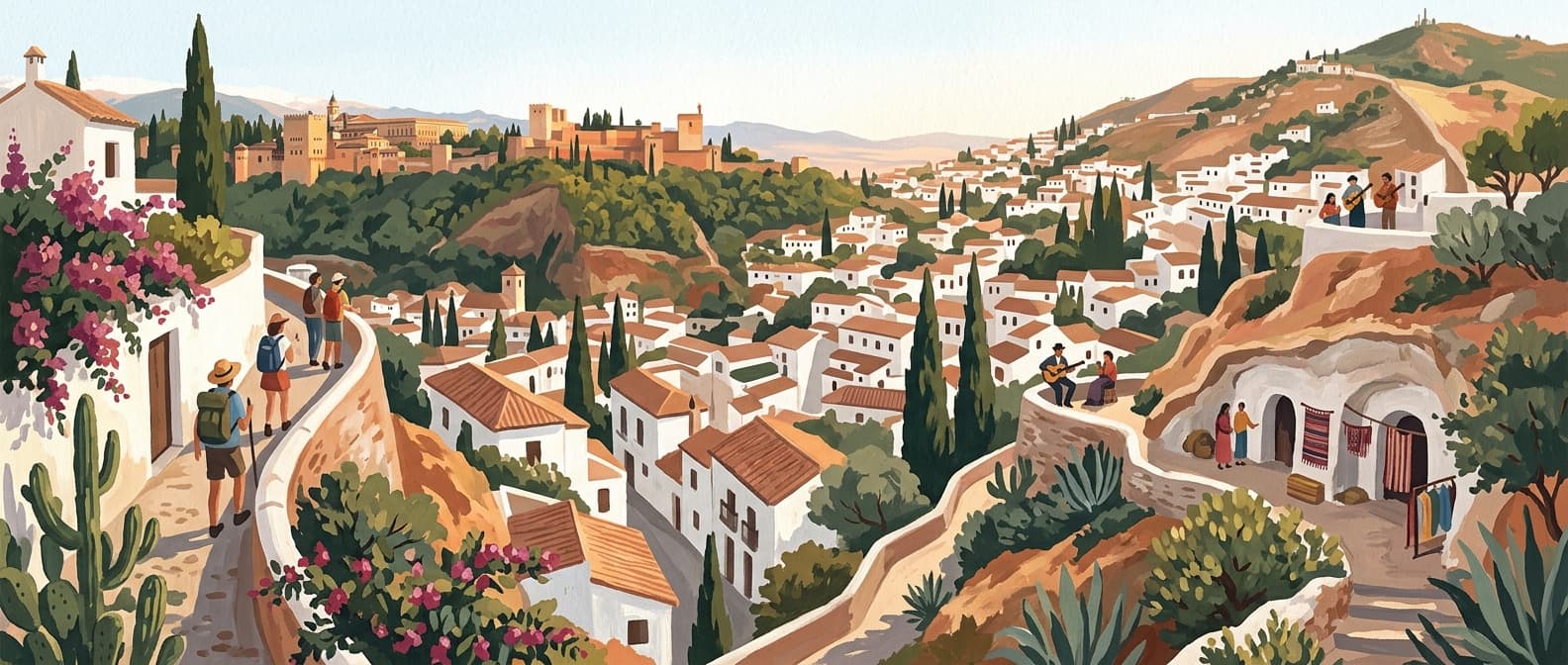
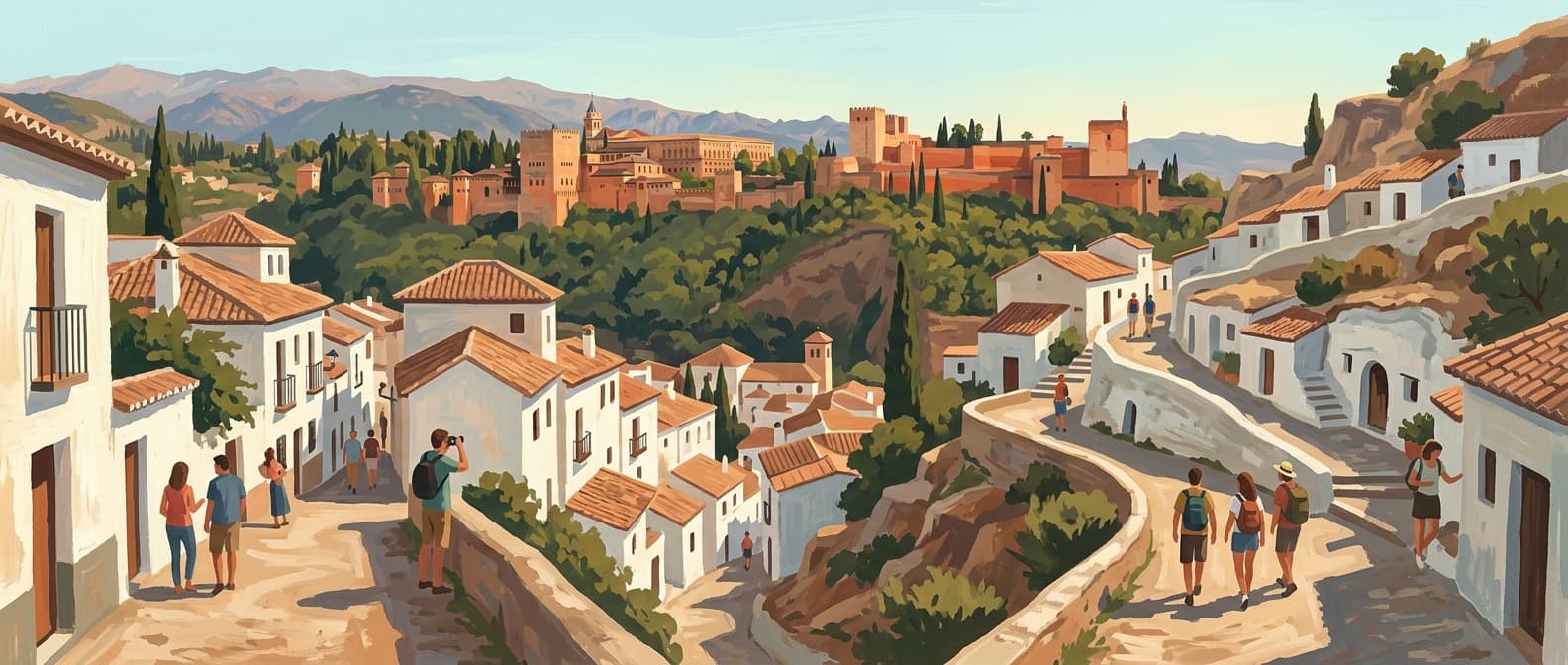
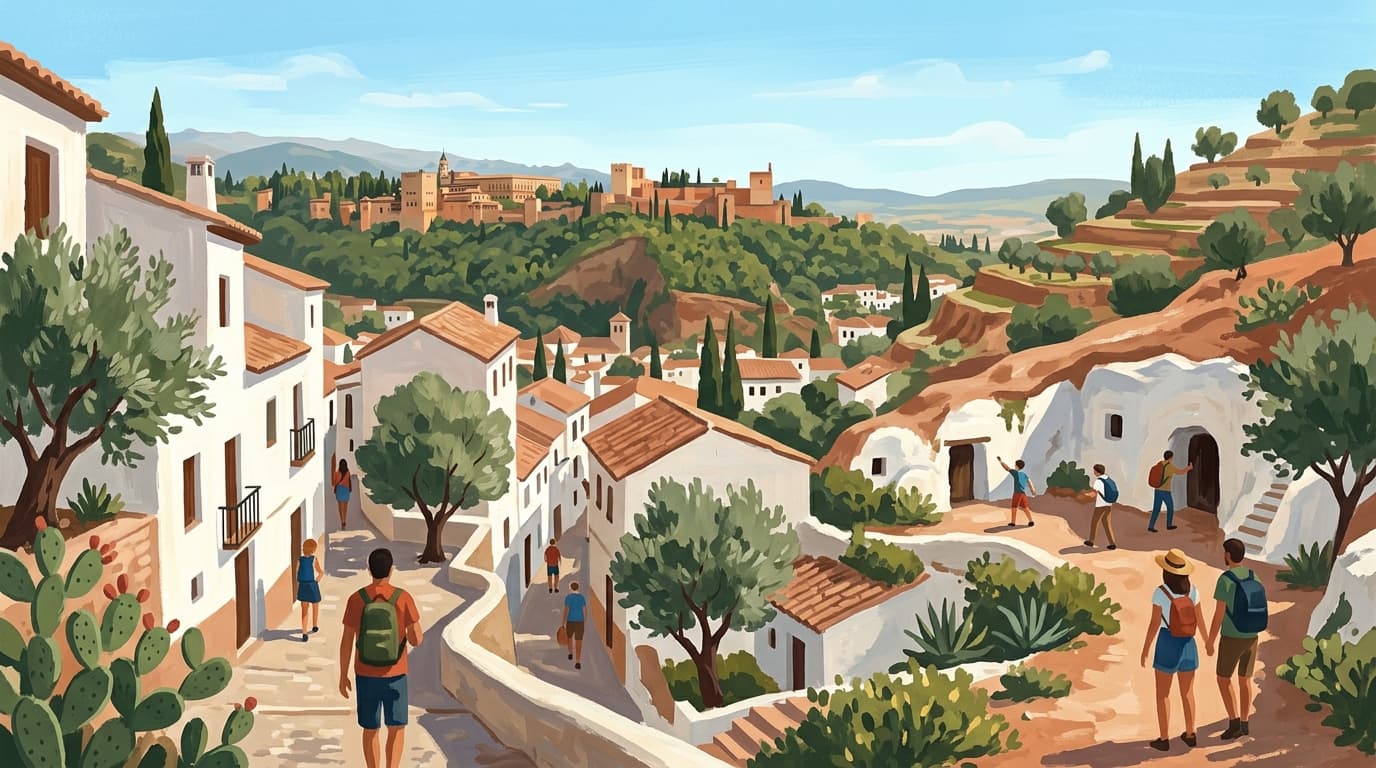
Walking through the old town of Alhama is like navigating a maze of the Reconquest era. The streets are steep and narrow, opening out into small plazas lined with Renaissance and Mudéjar architecture. The Iglesia de Nuestra Señora de la Encarnación is the dominant landmark. Built on the site of a former mosque shortly after the Christian takeover, it features a massive bell tower that served as a lookout across the frontier. The interior houses a small museum with ecclesiastical treasures, including vestments allegedly embroidered by Queen Isabella herself.
Nearby, the Casa del Inquisidor (Inquisitor's House) offers a glimpse into the darker side of Spanish history with its ornate Plateresque façade. Another essential stop is the Hospital de la Reina, established by Isabella in 1485. It was the first military hospital in Spain, built to care for soldiers wounded in the final decade of the war against Granada. The building now serves as a cultural centre, but its courtyard and galleries remain remarkably intact.
Practical Information
Opening Times & Tickets: The Balneario (the official spa) generally operates from March or April through to November. Access to the historic 12th-century Almohad pool is usually restricted to guests or those booking specific treatments, though guided tours are sometimes available through the local tourist office. The outdoor thermal pool is typically open to the public for a fee of approximately €6 per person. The Poscillas (natural pools) are free and open 24 hours a day, though they can get crowded on weekends.
How to Get There: Alhama de Granada is best reached by car. From Granada, take the A-92 toward Seville and exit at junction 211 for Moraleda de Zafayona, following the A-402 to Alhama. The journey takes about 50 minutes. From Malaga, the drive via the A-356 and the spectacular Zafarraya Pass takes roughly 1 hour and 15 minutes. ALSA operates a bus service from Granada's main station; there are roughly four to five departures daily, with a one-way ticket costing between €7 and €9. The journey takes just over an hour.
Parking: Parking in the historic centre can be difficult due to the narrow streets. It is advisable to park near the entrance of the town, close to the town hall (Ayuntamiento) or in the designated parking areas on Calle Salmerones, and then explore on foot.
Where to Eat Nearby
The local cuisine is hearty and reflects the mountain climate. Bar El Tigre in Plaza de la Constitución is a legendary spot for tapas; expect generous portions of local meats and cheeses served with every drink. For a more formal meal, La Seguiriya offers traditional dishes with a refined touch, accompanied by incredible views over the gorge from its terrace. Try the Olla Jameña, a rich chickpea and pork stew that is the town's signature dish. El Ventorro, located near the spa, is famous for its wood-fired meats and traditional papas a la pobre.
Where to Stay
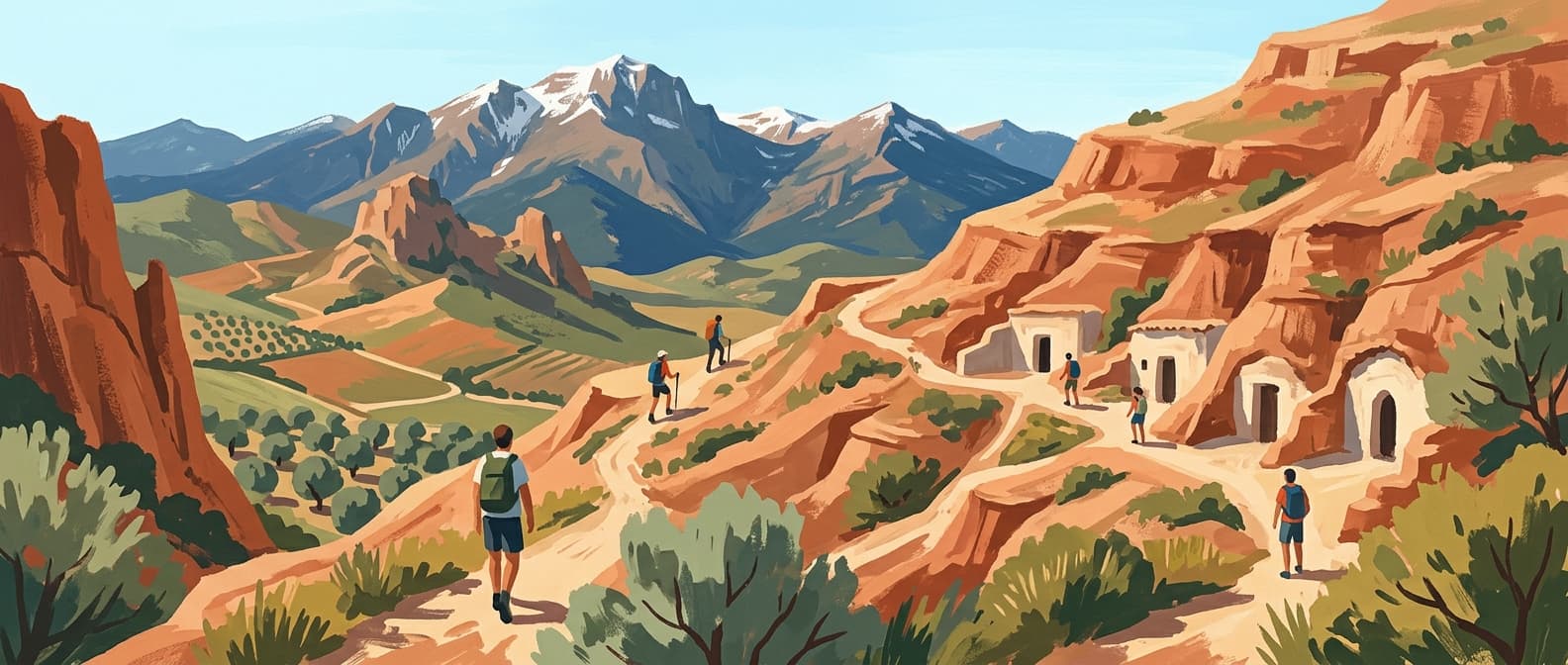
For a complete experience of the town’s thermal heritage, the Hotel Balneario is the obvious choice, providing direct access to the historic springs. If you prefer to stay within the old town, Hospedería La Seguiriya is a charming 18th-century house converted into a boutique hotel. It is owned by a flamenco singer and offers rooms full of character and original features. For a more rustic stay, El Ventorro provides cave-style accommodation that stays cool in summer and warm in winter.