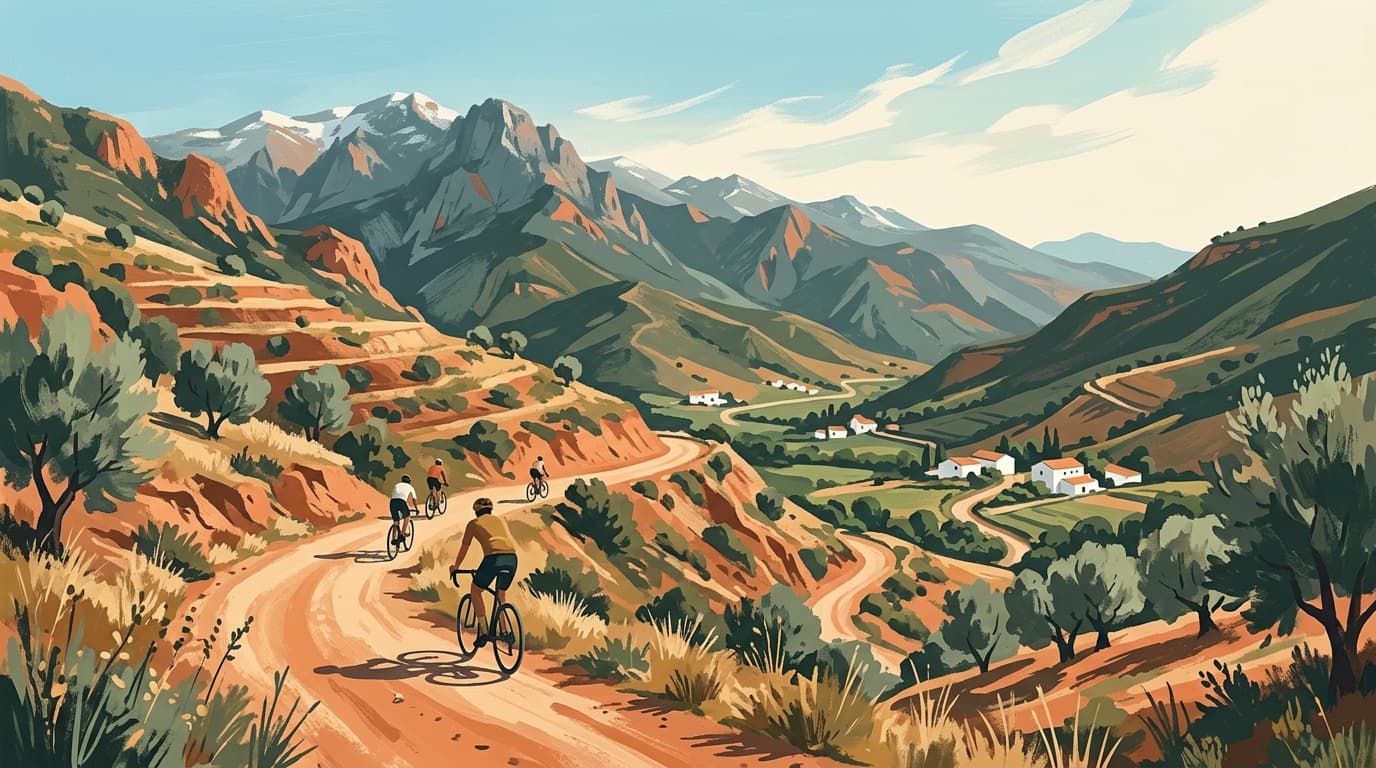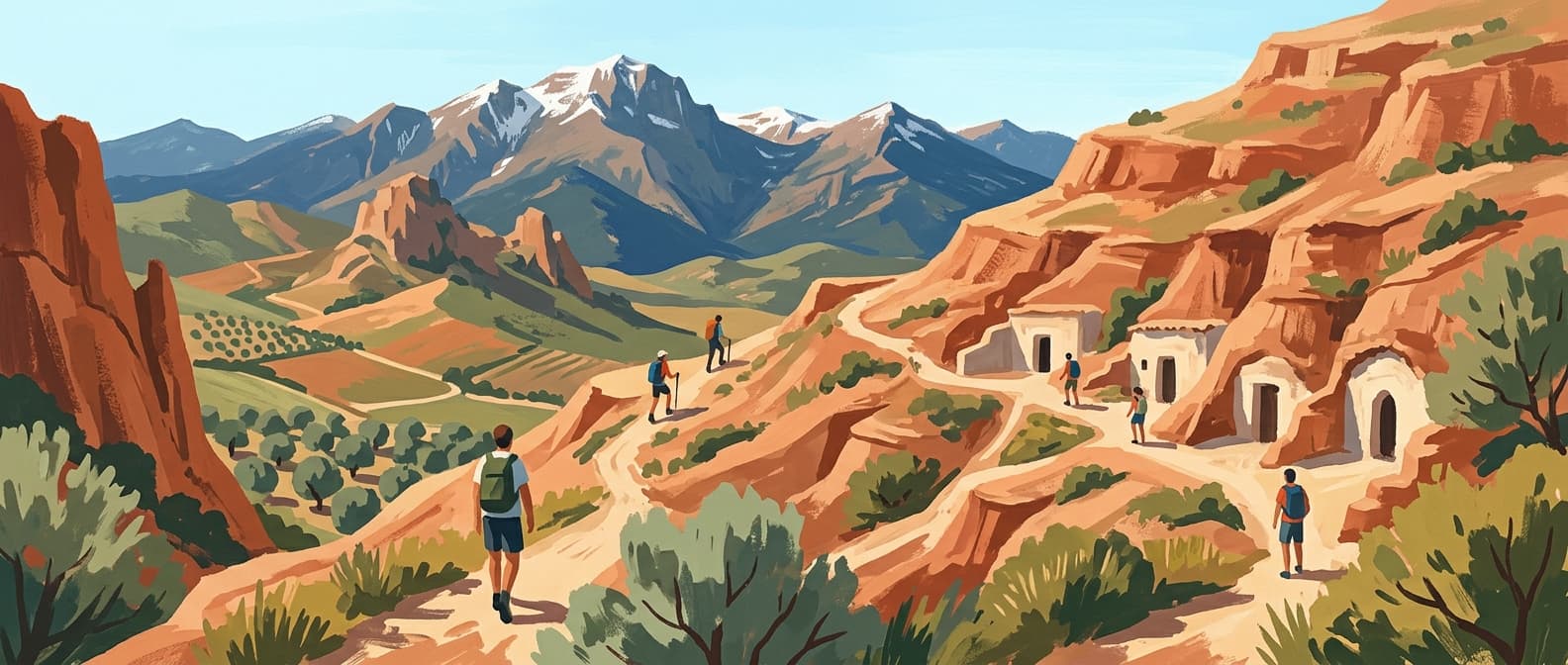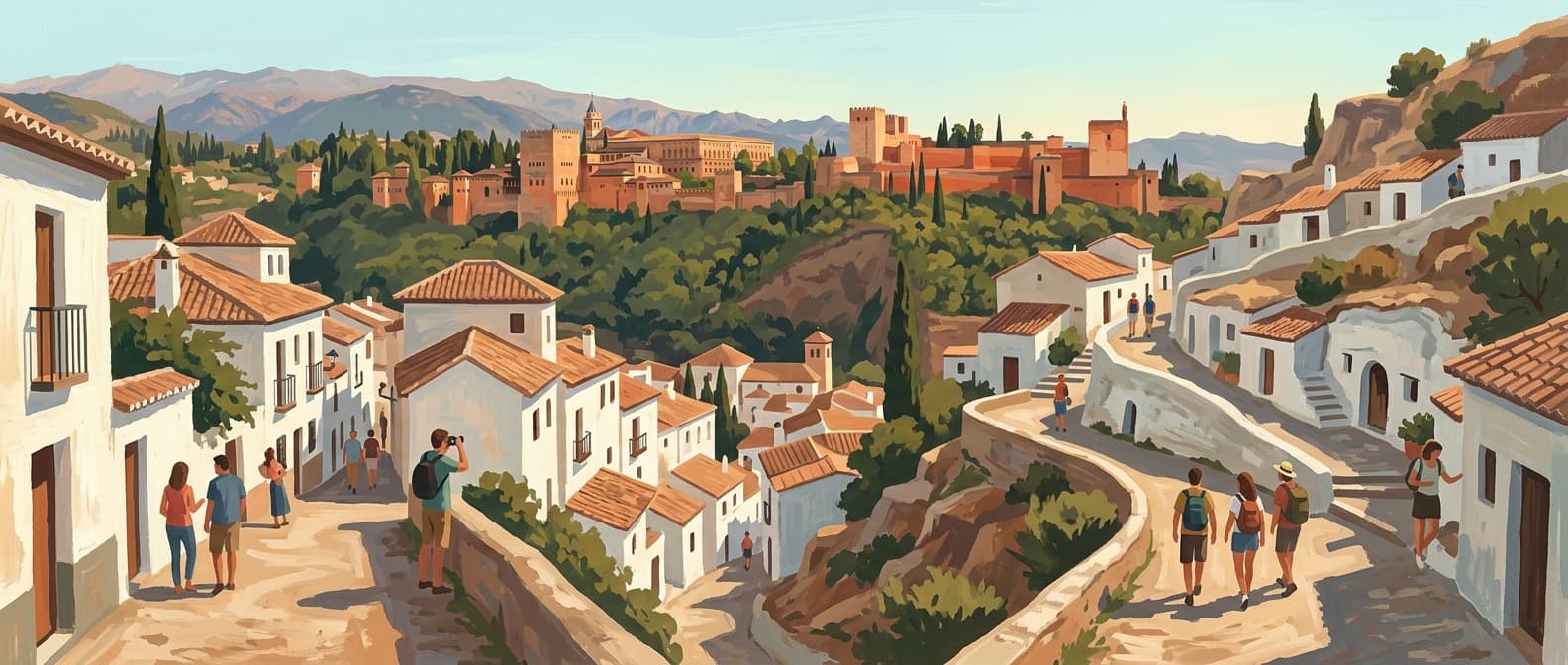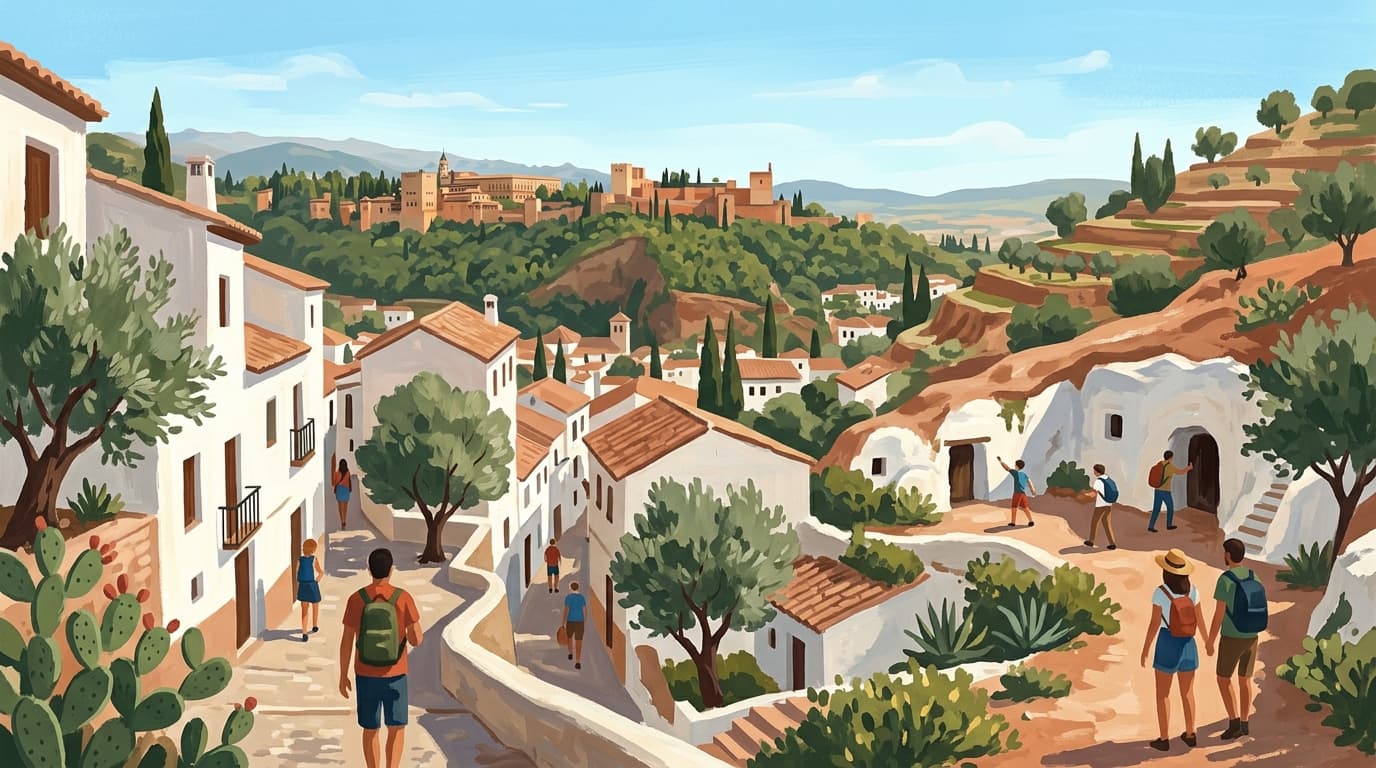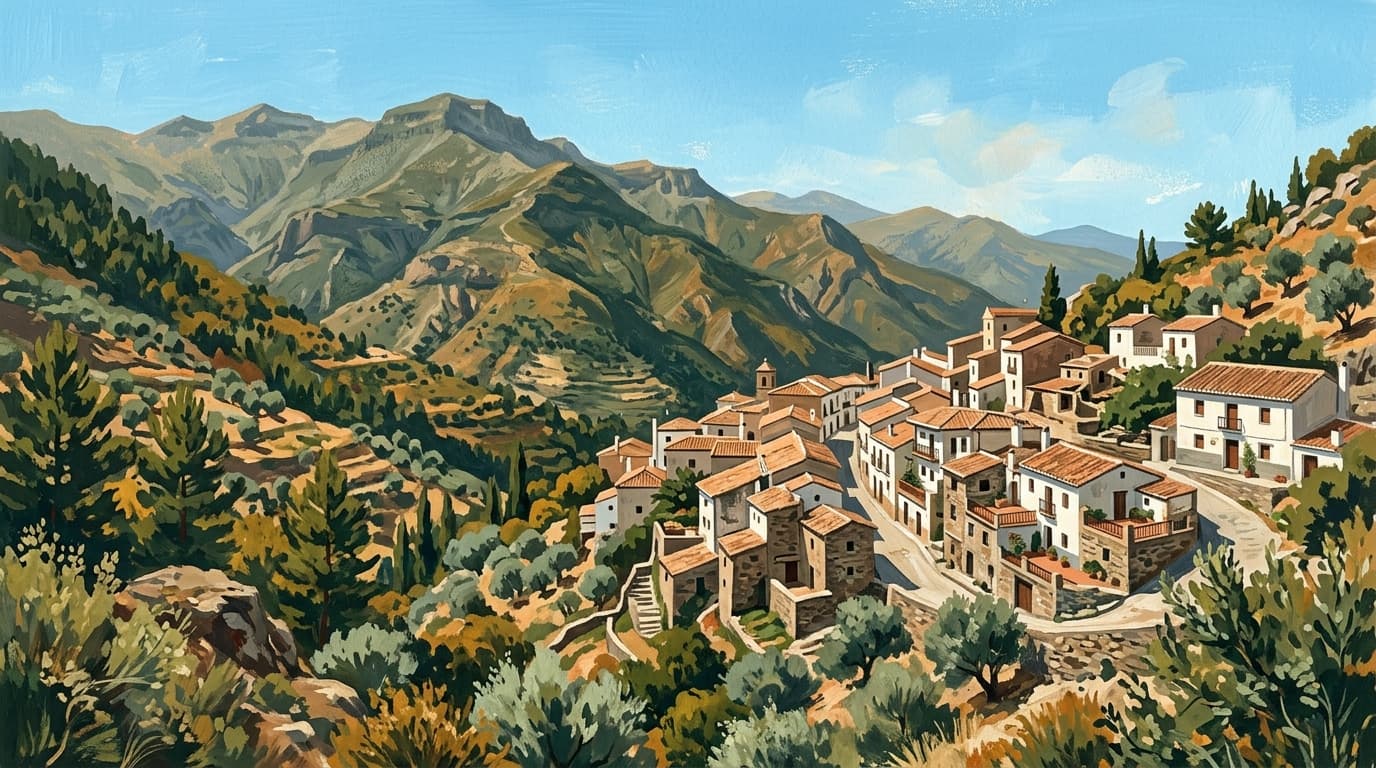
High in the northern foothills of the Sierra Nevada, Güéjar Sierra offers a rugged, authentic alternative to the more manicured Alpujarran villages further south. It serves as the primary gateway for serious hikers heading into the high peaks and those seeking the cooling waters of the Genil river.
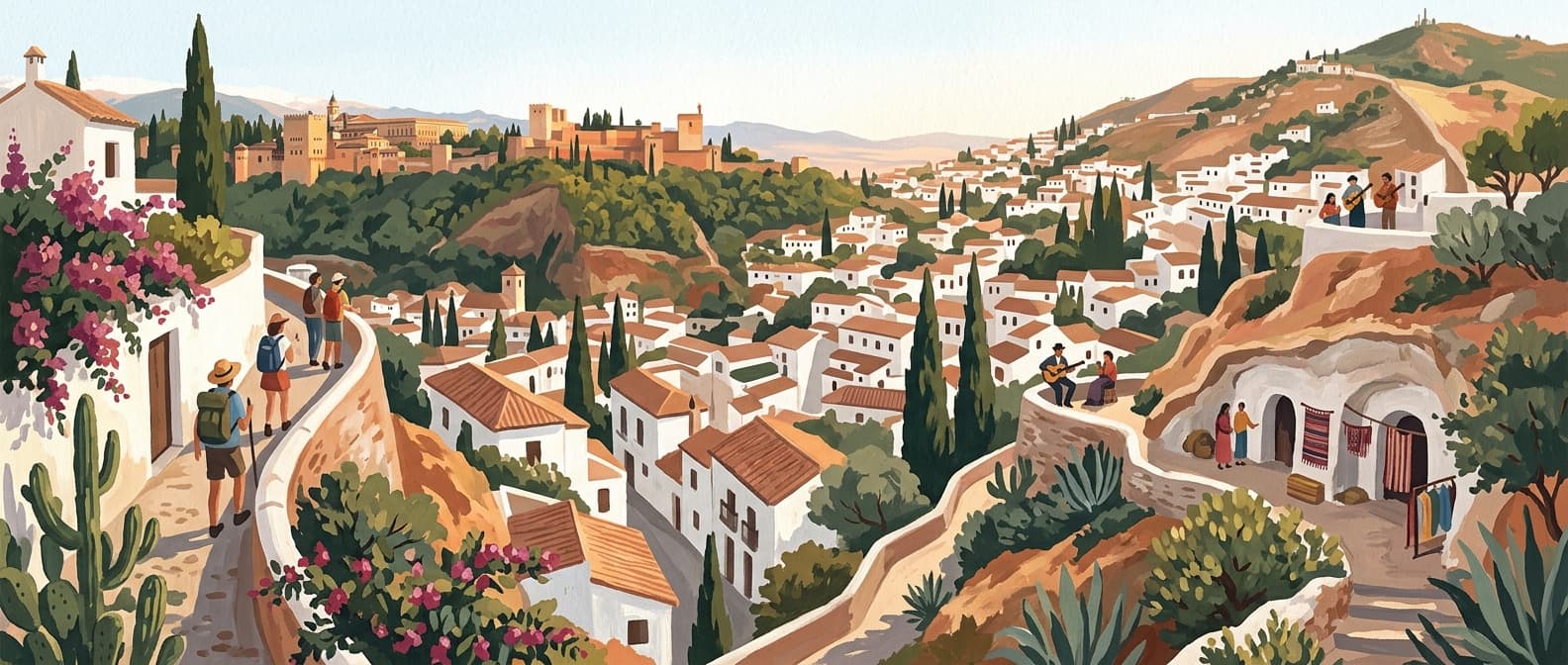
Perched at an altitude of 1,100 metres, Güéjar Sierra is a mountain village that retains a distinct character, largely shaped by its geography and its history as a frontier for Sierra Nevada exploration. While many visitors to Granada stay within the city limits or head south to the Alpujarra, this village sits to the east, clinging to the side of the El Calar mountain. It overlooks the Canales reservoir and provides direct access to the Genil river valley, which carves its way through the highest peaks of the Iberian Peninsula.
The village is defined by its steep, narrow streets and a layout that follows the natural contours of the rock. It lacks the whitewashed uniformity of the southern slopes, instead presenting a more functional, lived-in aesthetic with stone masonry and wooden balconies. Güéjar Sierra is famously productive; its microclimate allows for the cultivation of cherries, which are celebrated every summer, and the production of high-quality mountain charcuterie. For those wanting to experience the Sierra Nevada without the crowds of the ski station, this is the most practical and rewarding base.
What to See & Do
The Tramway Route (Tranvía de la Sierra)
One of the most evocative features of Güéjar Sierra is the remnants of the old mountain tramway. In the early 20th century, the Duke of San Pedro de Galatino commissioned a railway to connect Granada city with the heart of the mountains, aiming to open the region to tourism. The line operated from 1925 until 1974, when it was closed following the construction of the Canales reservoir, which submerged several kilometres of the track. Today, the section beyond the village has been converted into a spectacular walking and cycling path.
The route follows the course of the Genil river, passing through several original tunnels carved directly into the rock. It is a flat, accessible trail that provides a sense of the ambitious engineering required to master this terrain. Along the way, the ruins of old stations like Maitena and El Charcón now house seasonal restaurants, allowing walkers to stop for refreshments in the shade of deciduous trees. The path is particularly striking in autumn when the poplars and chestnuts change colour against the grey limestone backdrop.
Vereda de la Estrella
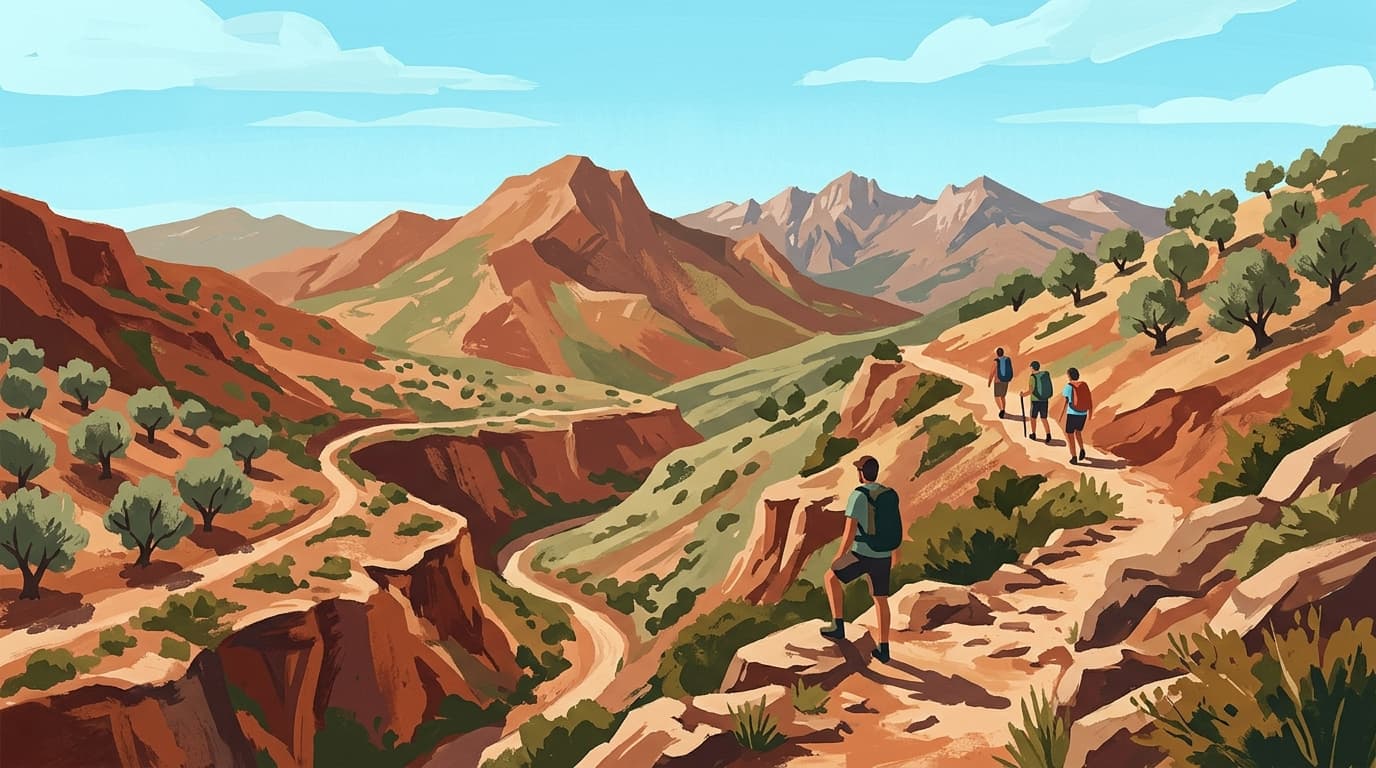
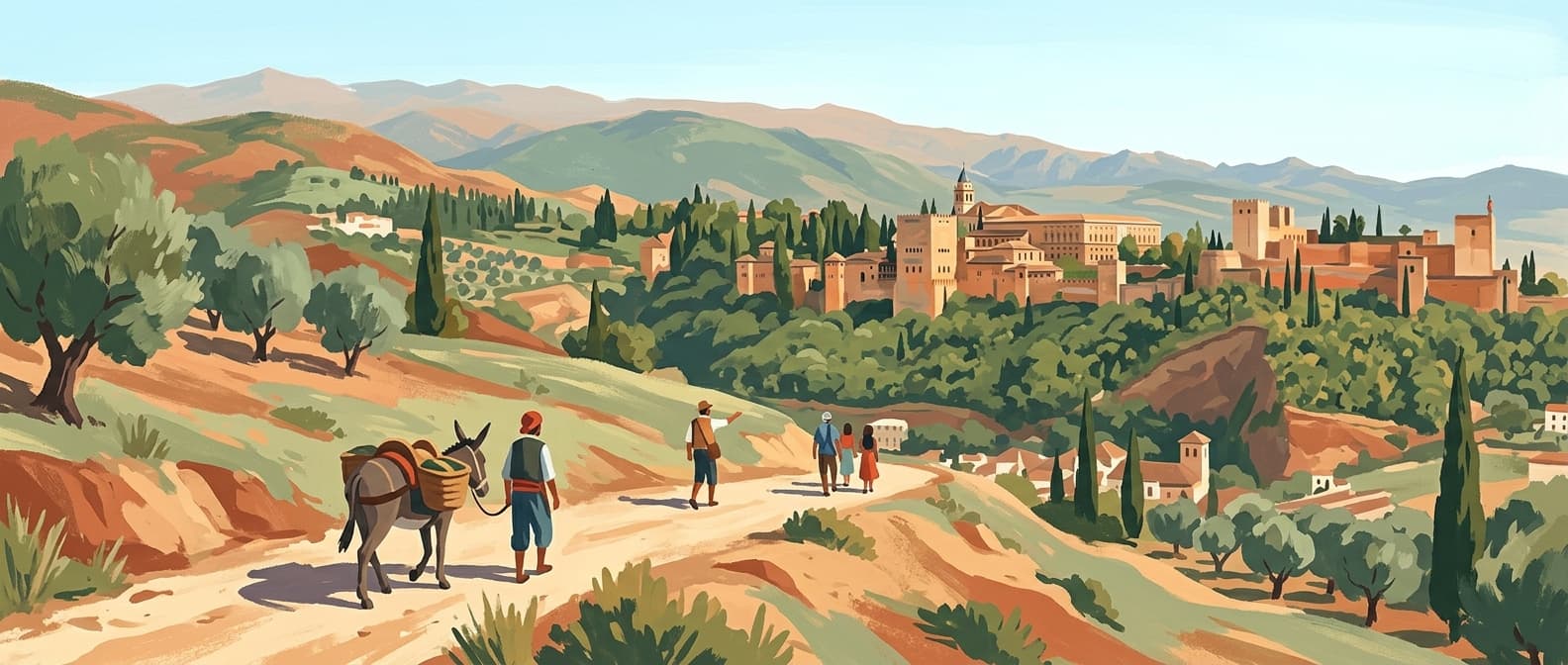
For serious hikers, the Vereda de la Estrella is the definitive trail of the Sierra Nevada. It begins a few kilometres past the village centre at the confluence of the Genil and San Juan rivers. This path was originally built to serve the copper and silver mines (such as the Mina de la Estrella) located deep in the valley. The trail is roughly 20 kilometres return and involves a steady climb, but the gradient is manageable as it was designed for pack mules.
The primary draw of this walk is the view. As you move deeper into the valley, the massive north faces of Mulhacén (3,479m), Alcazaba (3,371m), and Veleta (3,396m) come into view. These are the three highest peaks in the range, often capped with snow well into June. The trail passes the 'Abuelo' (Grandfather), a massive ancient chestnut tree, and leads to the ruins of the old mining buildings. It is a demanding walk that requires proper footwear and plenty of water, especially in the summer months.
Canales Reservoir and the Drowned Village
The Canales Reservoir sits directly below Güéjar Sierra. While it serves as a vital water source for Granada, it also offers a scenic focal point for the village. When the water levels drop during dry summers, the spire of the church from the old village of Canales—which was flooded in the late 1980s to create the dam—sometimes becomes visible. There are several viewpoints along the road leading into Güéjar (the GR-3200) that offer panoramic views of the turquoise water set against the dramatic mountain slopes. While swimming is restricted in certain areas, the reservoir is a popular spot for non-motorised water sports and photography.
The Village Fountains and Squares
The heart of the village is the Plaza de la Constitución, where the 16th-century Church of Nuestra Señora del Rosario stands. The church is notable for its Mudéjar coffered ceiling, a common architectural feature in the region following the Reconquista. Güéjar Sierra is also a place of water; the sound of running streams is constant. Throughout the village, you will find numerous public fountains (pilares), such as the Pila de la Plaza, which provide cold, fresh mountain water. These fountains were historically the social hubs of the community and remain essential for hikers refilling their bottles before heading into the high peaks.
Practical Information
How to get there: From Granada city, the drive takes approximately 25 to 30 minutes. Follow the A-395 towards the Sierra Nevada ski station and take the exit for the GR-3200, which winds its way up to the village. If using public transport, the 390 bus line, operated by the Consorcio de Transporte Metropolitano de Granada, runs several times a day from the Paseo de los Basilios in Granada. The journey takes about 45 minutes.
Parking: Parking in the village centre is extremely limited due to the narrow streets. It is advisable to use the designated parking areas at the entrance of the village or the lower car parks near the sports centre (Polideportivo). If you are heading to the Vereda de la Estrella, there is a small parking area at the trailhead (Barranco de San Juan), but it fills up very early on weekends.
Timings and Seasonality: The village is accessible year-round. Spring (late April to June) is ideal for seeing the cherry blossoms and the high-water flow in the rivers. Autumn (October and November) offers the best hiking temperatures and foliage colours. In winter, the village occasionally sees snow, and while the lower trails remain open, the higher routes require mountaineering equipment.
Where to Eat Nearby
Güéjar Sierra is famous for its mountain cuisine, which is heavier and more rustic than that found in the city. Restaurante La Fabriquilla is a local institution located at the end of the tramway route by the river. It specialises in grilled meats and traditional stews; dining on their terrace next to the rushing water is a highlight of any visit. For a more refined take on local ingredients, Restaurante Sulayr offers creative dishes that utilise the famous local cherries and seasonal game. For a quick stop, Taberna Lio in the main square serves excellent tapas, often including the local 'choto' (kid goat) or house-made chorizo.
Where to Stay
Accommodation in Güéjar Sierra focuses on rural tourism. Hotel Juan Francisco is a reliable, family-run option that offers comfortable rooms and a swimming pool, which is a significant advantage during the hot summer months. For those seeking independence, there are numerous Casas Rurales (country houses) available for rent throughout the village and the surrounding valley. For outdoor enthusiasts, Camping Las Lomas is located just outside the village, offering bungalows and pitches with views over the reservoir.