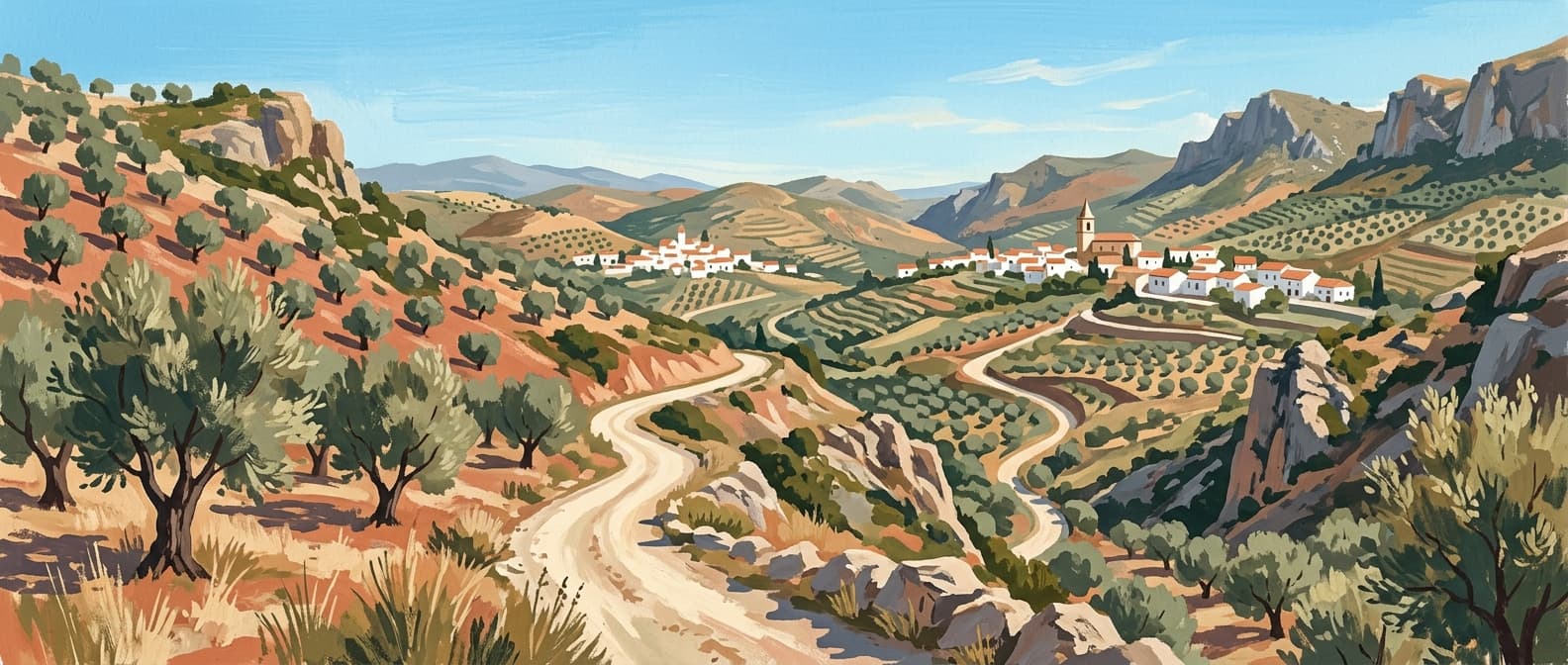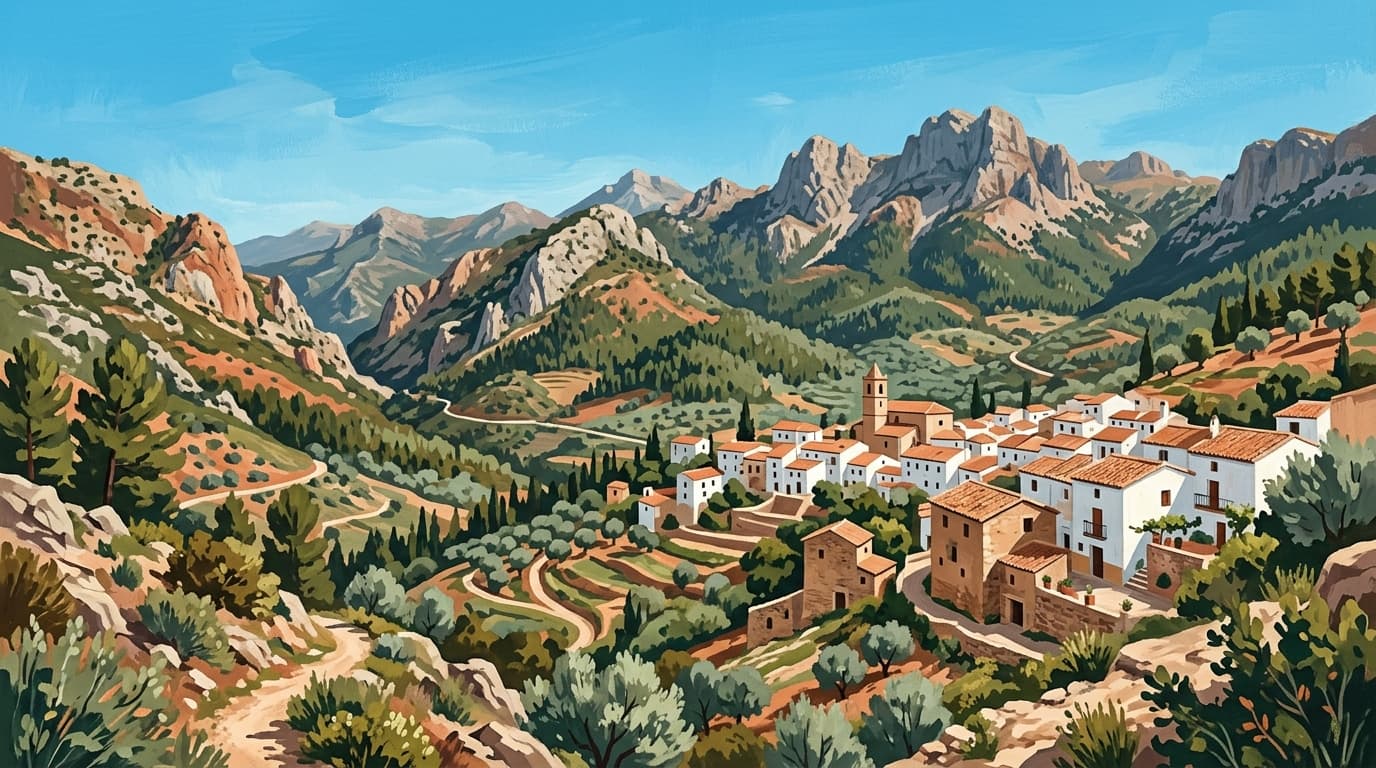
Beyond the endless olive groves of Jaén lies Spain's largest protected area, a rugged expanse where the Guadalquivir River begins its journey and vultures circle over limestone peaks. It is a landscape of pine forests and high-altitude villages that feels worlds away from the heat of the southern plains.
Spanning over 200,000 hectares, the Parque Natural de las Sierras de Cazorla, Segura y Las Villas is the largest protected space in Spain and the second largest in Europe. Most travellers view Jaén as a sea of olive trees viewed from a car window, but once you cross the threshold of the park, the geometry of the orchards gives way to chaotic limestone crags and dense forests of black pine. This is the birthplace of the Guadalquivir, the great river that feeds Córdoba and Sevilla, yet here it is merely a cold, clear stream tumbling through the Borosa gorge. Wildlife is the primary draw; you are almost guaranteed to spot cabra montés (Iberian ibex) skittering across the rock faces or buitres leonados (griffon vultures) catching thermals above the cerradas (narrow canyons). It is a place for slow exploration, where the driving is winding and the pace of life follows the movement of the flocks and the seasons. Whether you are seeking high-altitude hiking or the quietude of a mountain village, this region offers a wilder, more untamed side of Andalucía.
Places to Explore
Cazorla: The Sturdy Gateway
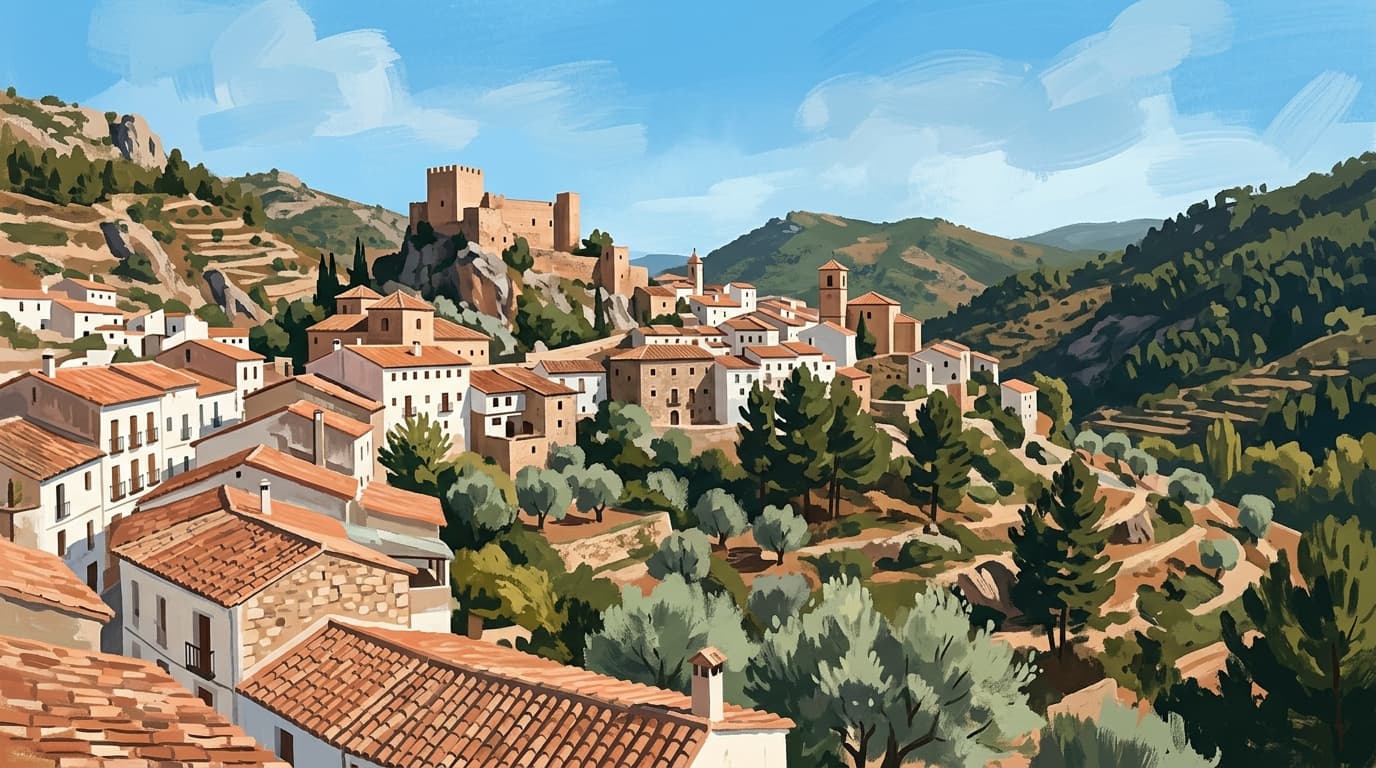
The town of Cazorla acts as the southern gateway to the park, its white houses clinging to the steep slopes beneath the Peña de los Halcones. Unlike the purpose-built tourist hubs further in, Cazorla feels lived-in and sturdy. Start at the Plaza de Santa María, where the ruins of a Renaissance church sit directly over the Cerezuelo river. The vaulting underneath is an engineering marvel, and the river walk that begins here offers a quick escape into the shade of the valley. Above the town sits the Castillo de la Yedra, a fortress that houses the Museum of Popular Arts and Traditions. It is worth the climb for the views across the rooftops to the olive-covered horizon. For a quiet coffee, head to the Balcón de Zabaleta; it provides a vantage point over the lower town that avoids the main crowds. If you are here in autumn, the berrea (deer rut) echoes through the surrounding hills, a primitive sound that defines the local atmosphere. In July, the town hosts a world-renowned blues festival, which transforms the quiet squares into international stages. Despite this occasional influx, the town maintains its character as a working mountain community.
→ Read the full Cazorla guide
Arroyo Frío: The Hiker’s Hub
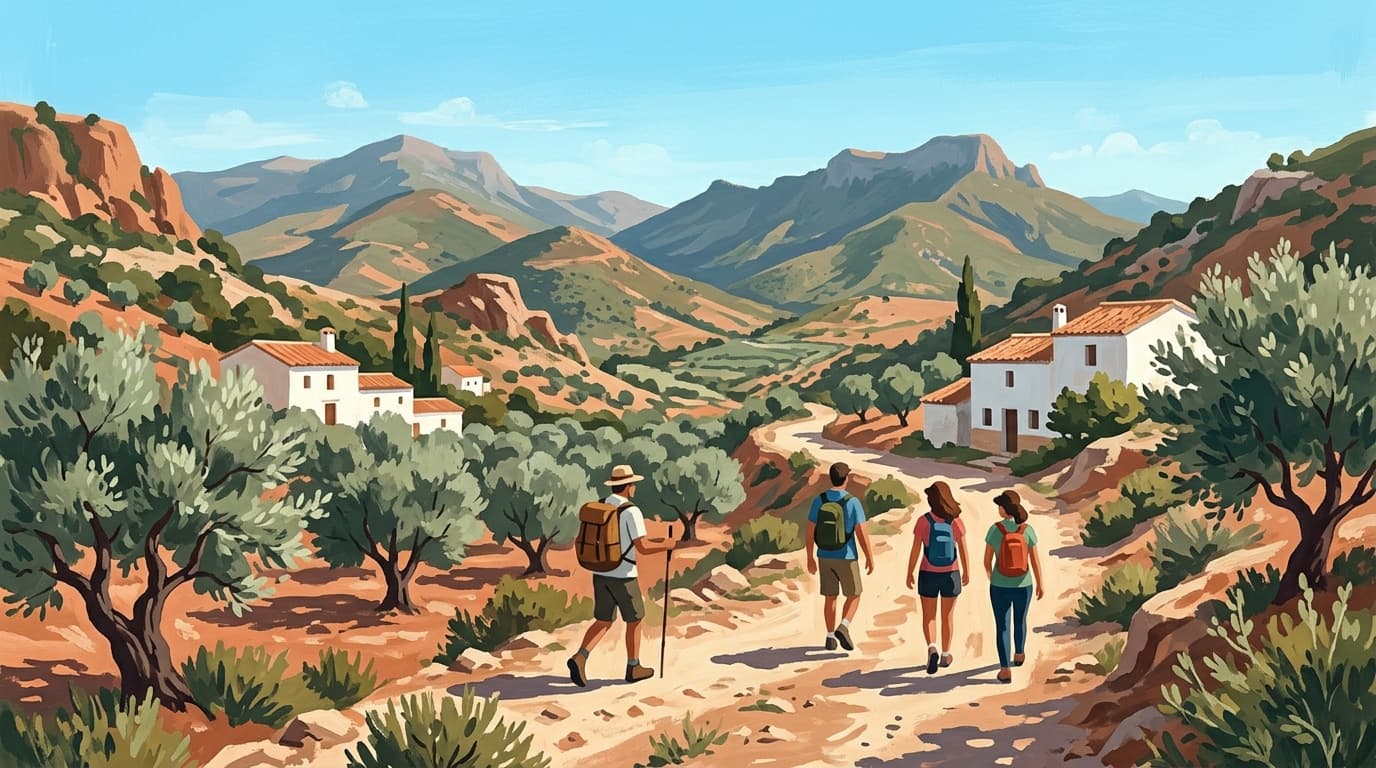
Located deep within the valley, Arroyo Frío serves as the practical base for those wanting immediate access to the park’s interior trails. While it lacks the historical weight of Segura or Cazorla, its position makes it indispensable for outdoor enthusiasts. From here, you are a short drive from the starting point of the Río Borosa trail, arguably the most famous walk in the region. To avoid the midday heat and the weekend rush, start at dawn at the piscifactoría (fish farm) and follow the water up to the Cerrada de Elías, a stretch of wooden walkways suspended over the turquoise river. Back in the village, the atmosphere is geared toward hikers and families. It is the best place to stock up on maps, technical gear, or local honey. On summer evenings, the temperature drops significantly compared to the valley floor, making it a refreshing retreat. Keep an eye out for wild boar; they are known to wander near the edges of the village at dusk, looking for easy snacks. For a more relaxed afternoon, head to the nearby Coto Ríos, where the river widens into pools perfect for a cold dip.
→ Read the full Arroyo Frío guide
Segura de la Sierra: The Eagle’s Nest
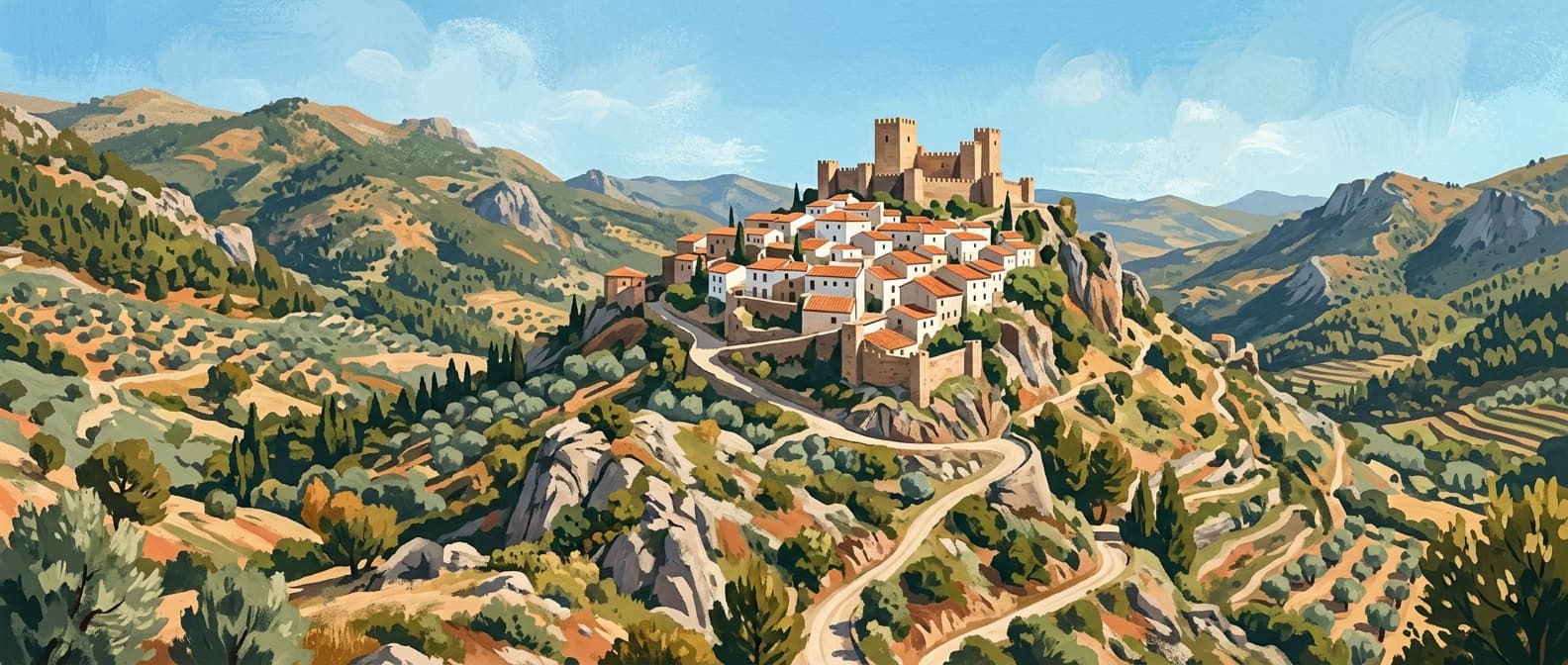
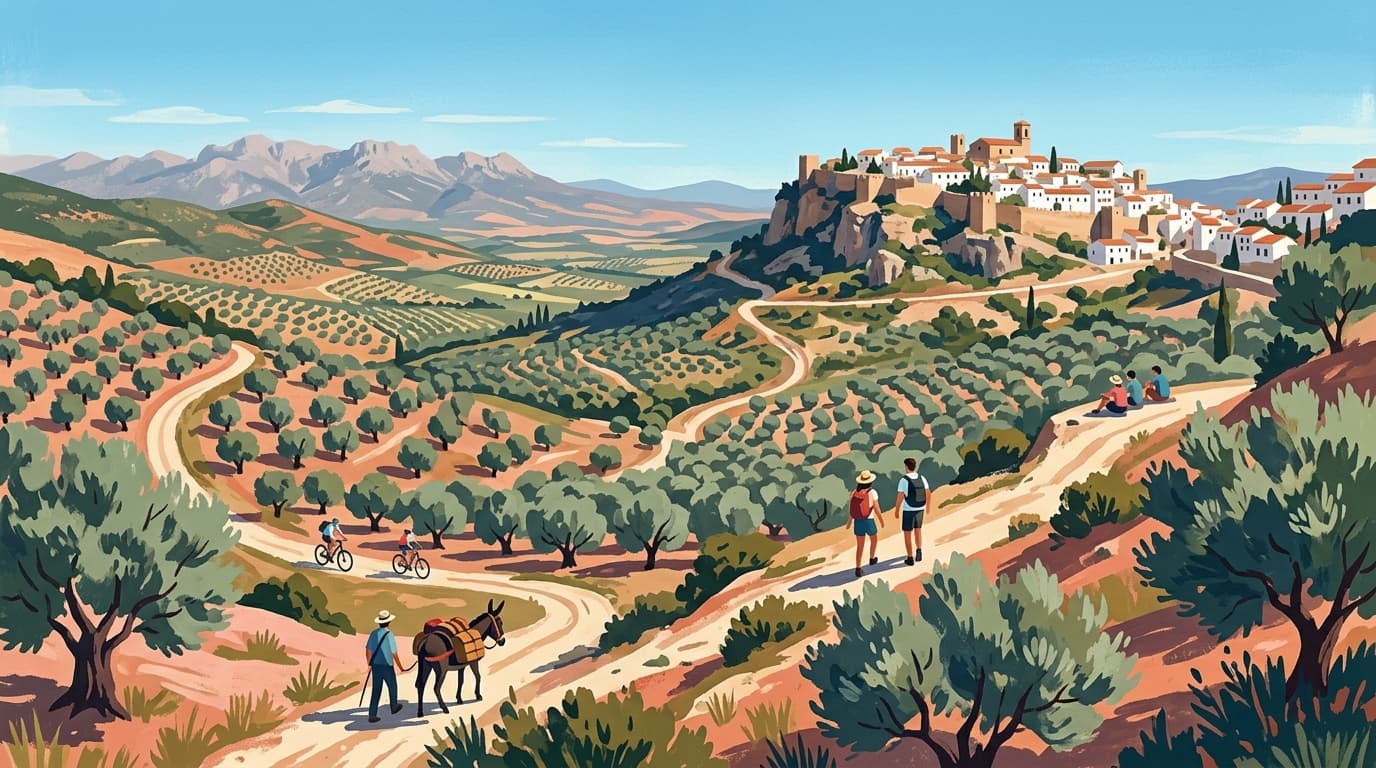
Rising 1,145 metres above sea level, Segura de la Sierra is a mountain fortress that demands respect. The ascent is a series of hairpin bends that reveal the sheer scale of the Segura mountain range. At the summit sits the Mudéjar-style castle, once the headquarters of the Order of Santiago. Walking through the narrow, steep streets, you will encounter the fountain of Carlos V and the ancient Arab baths, which are remarkably well-preserved. The town has a literary connection too; it was the birthplace of the poet Jorge Manrique. For the best perspective of the surrounding peaks, find the Mirador de Jorge Manrique. The air here is thin and crisp, even in July. It is a quiet, contemplative place, far removed from the busier southern end of the park. If the weather is clear, you can see as far as the Sierra Nevada to the south. The village feels like an island in the sky, and its status as a Conjunto Histórico-Artístico (Historical-Artistic Site) ensures its architectural integrity remains untouched by modern developments.
→ Read the full Segura de la Sierra guide
Hornos de Segura: Stars and Silence
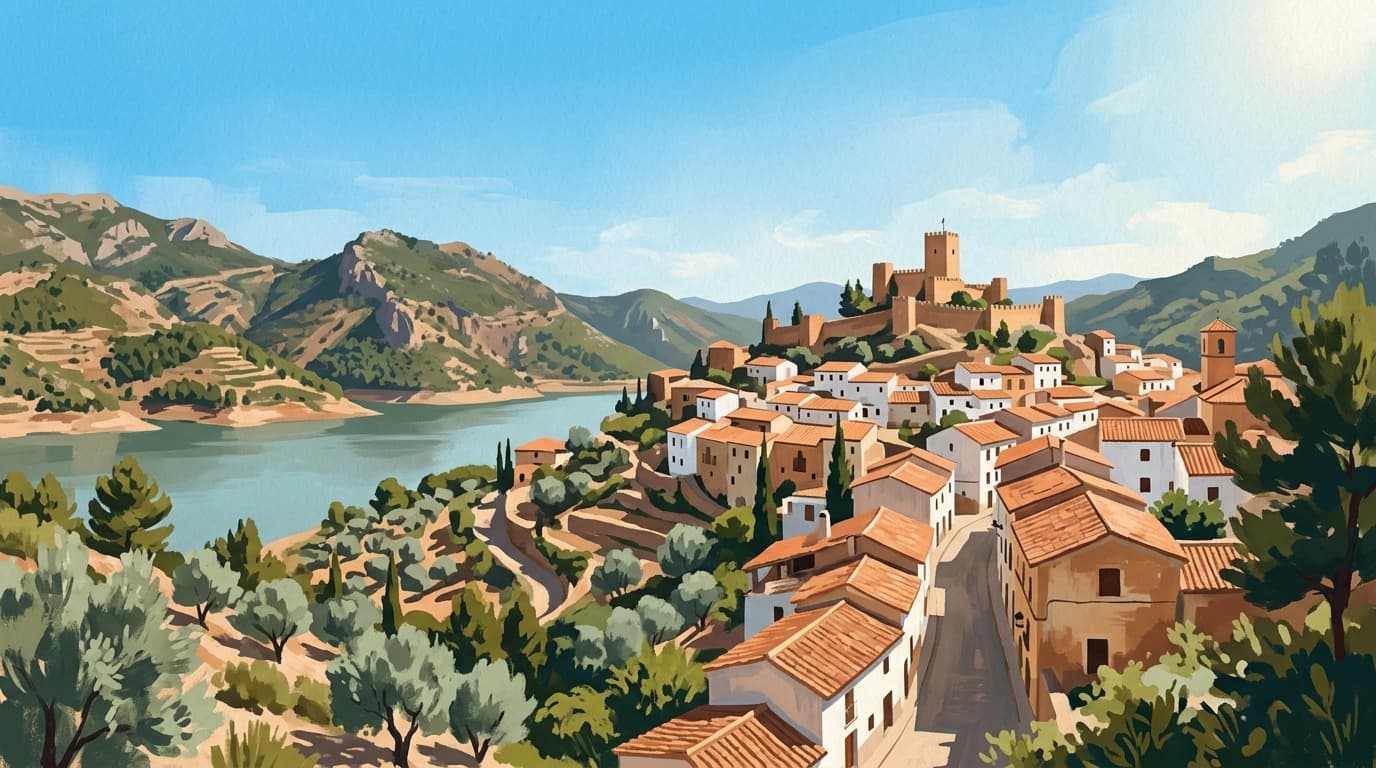
Hornos de Segura occupies a dramatic limestone promontory overlooking the Tranco reservoir. It is perhaps the most visually striking village in the park, its perimeter walls blending seamlessly into the cliff edge. The village has embraced its dark skies, turning the local castle into a 'Cosmolarium'—a planetary centre and observatory. It is an inspired use of the space, given the lack of light pollution in this remote corner of Jaén. Wandering the village is a vertical exercise, but the reward is the silence. Most visitors stop at the reservoir's edge, but climbing into Hornos rewards you with the Mirador del Aguilón, offering a panoramic view of the blue water against the deep green of the pine forests. The local parish church, San Nicolás de Bari, is a fine example of 16th-century architecture that anchors the village's small, winding squares. Unlike the more tourist-focused spots, Hornos remains deeply traditional, with many houses still used for storing agricultural equipment alongside family living quarters.
→ Read the full Hornos de Segura guide
Eating & Drinking in Sierra de Cazorla, Segura y Las Villas
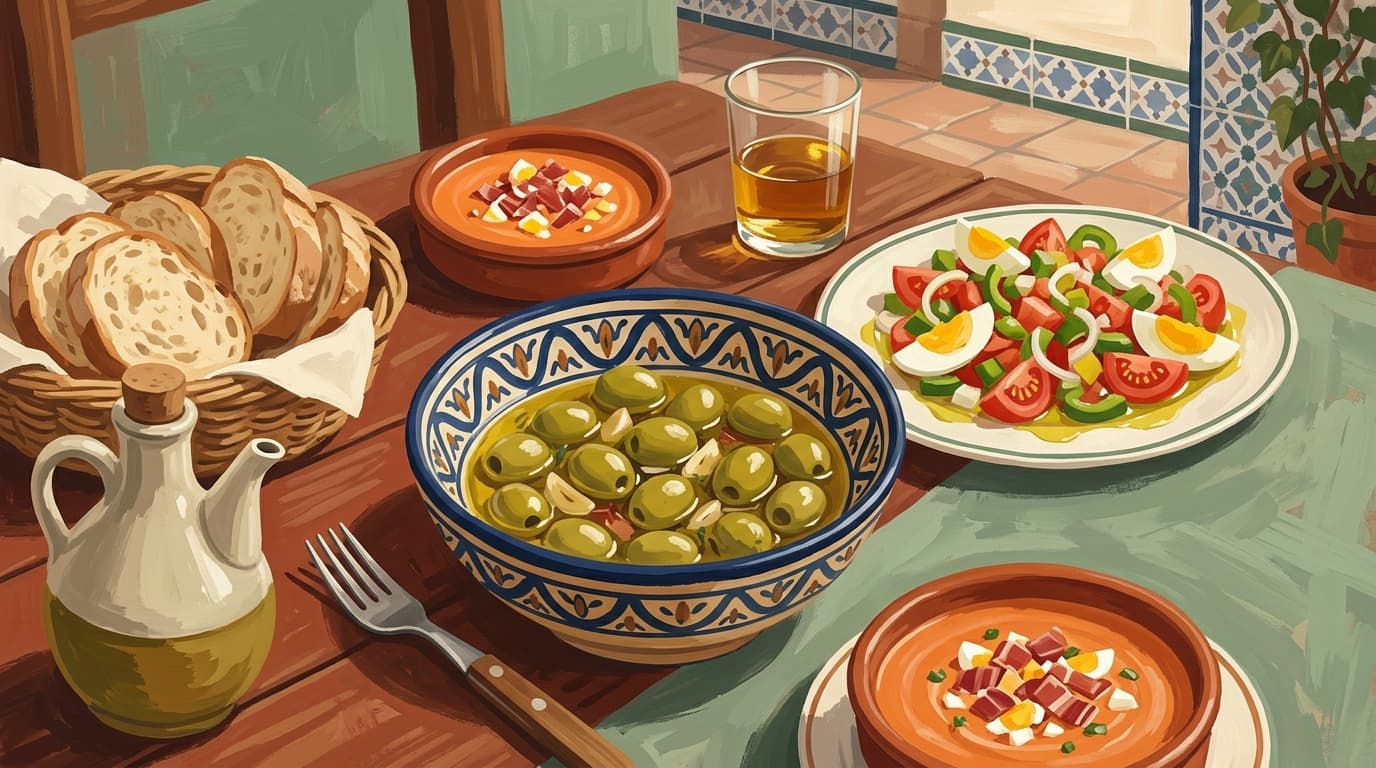
Gastronomy in the Sierra is defined by monte (mountain) ingredients—game, mushrooms, and trout. Look for andarijos (a local stew) or galianos, a shepherd’s dish made with unleavened tortas and small game like rabbit or partridge. In Cazorla, Restaurante El Leandro is excellent for refined versions of these traditional dishes. For something more rustic, Mesón Leandro serves a superb choto al ajillo (kid goat with garlic). The local olive oil here is often of the Picual variety, but keep an eye out for the 'Royal' variety, which is unique to the Cazorla region; it is milder and fruitier than the standard Jaén oil. In Segura, try the segureño lamb, a local breed protected by a PGI status. It is traditionally roasted or prepared in a rich stew. Don't overlook the pipirrana, a local salad of tomato, green pepper, and hard-boiled egg, heavily seasoned with garlic and olive oil, usually served with moje (bread for dipping). For a quick snack, the local embutidos (cured meats), particularly the wild boar chorizo, are essential trail fuel.
Where to Stay
For a sense of history and scale, the Parador de Cazorla is situated in the heart of the pine forest, far from any town. It is built in the style of a traditional hunting lodge and offers direct access to the high-country trails and the chance to see deer grazing on the lawn at dawn. In the village of Segura de la Sierra, Apartamentos La Muralla provide an authentic experience within the old walls, offering incredible views over the valley. If you prefer the convenience of Arroyo Frío, Hotel Balneario Parque de Cazorla is a solid choice with a decent pool for the summer months. For those seeking complete isolation, look for refurbished cortijos (farmhouses) near the Tranco reservoir, such as El Cortijo de Ramón, which offers a more intimate, rural atmosphere and home-cooked meals.
Getting There & Around
Public transport is limited within the park, so a car is essential for exploration. The main entrance is via the A-319 from Peal de Becerro. Be prepared for slow travel; the road from Cazorla to Segura de la Sierra is spectacular but takes nearly two hours due to the winding mountain passes and steep gradients. Fuel up before you enter the park interior, as petrol stations are sparse—you will find them in Cazorla town, Arroyo Frío, and near Hornos. Parking in the villages is often restricted to the outskirts, so wear comfortable shoes even for a short visit.
Best Time to Visit
Autumn (October to November) is arguably the peak experience, with the changing colours of the deciduous trees and the haunting sound of the deer rut echoing through the valleys. Spring (May to June) is equally beautiful, as the wildflowers carpet the high meadows and the rivers are at their fullest from snowmelt. Summer is hot during the day, though significantly cooler than the Jaén valley, making it a popular escape for locals seeking shade. Winter can bring snow to the higher elevations like Segura de la Sierra, closing some minor tracks but offering a quiet, stark beauty for those prepared for the cold.