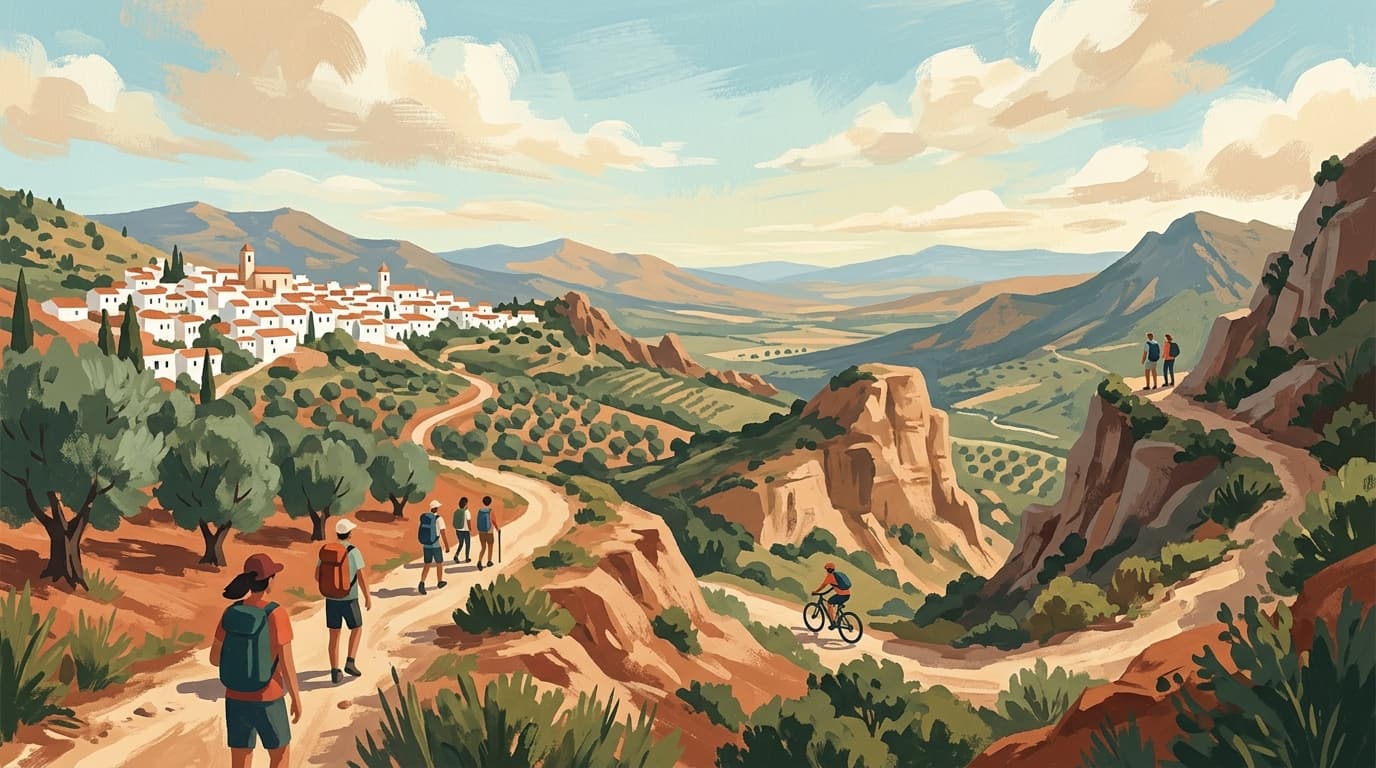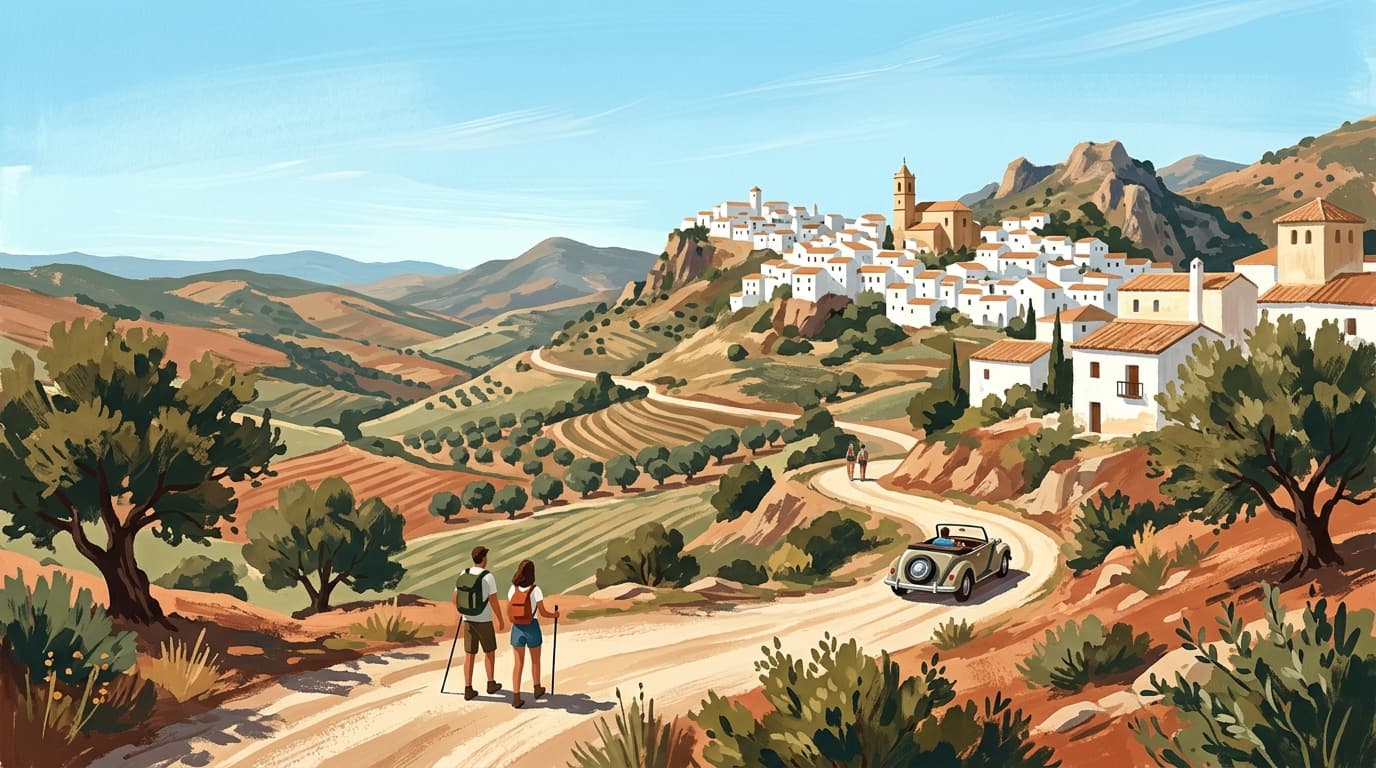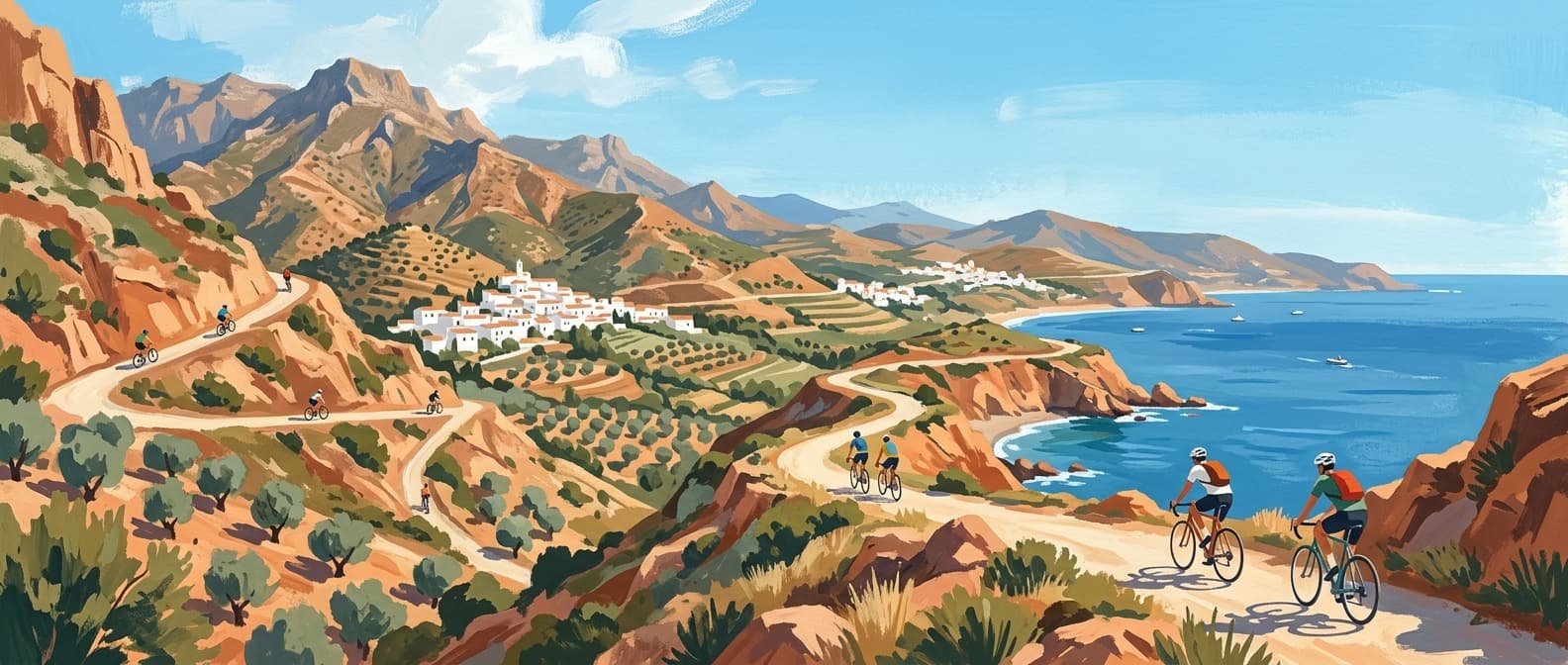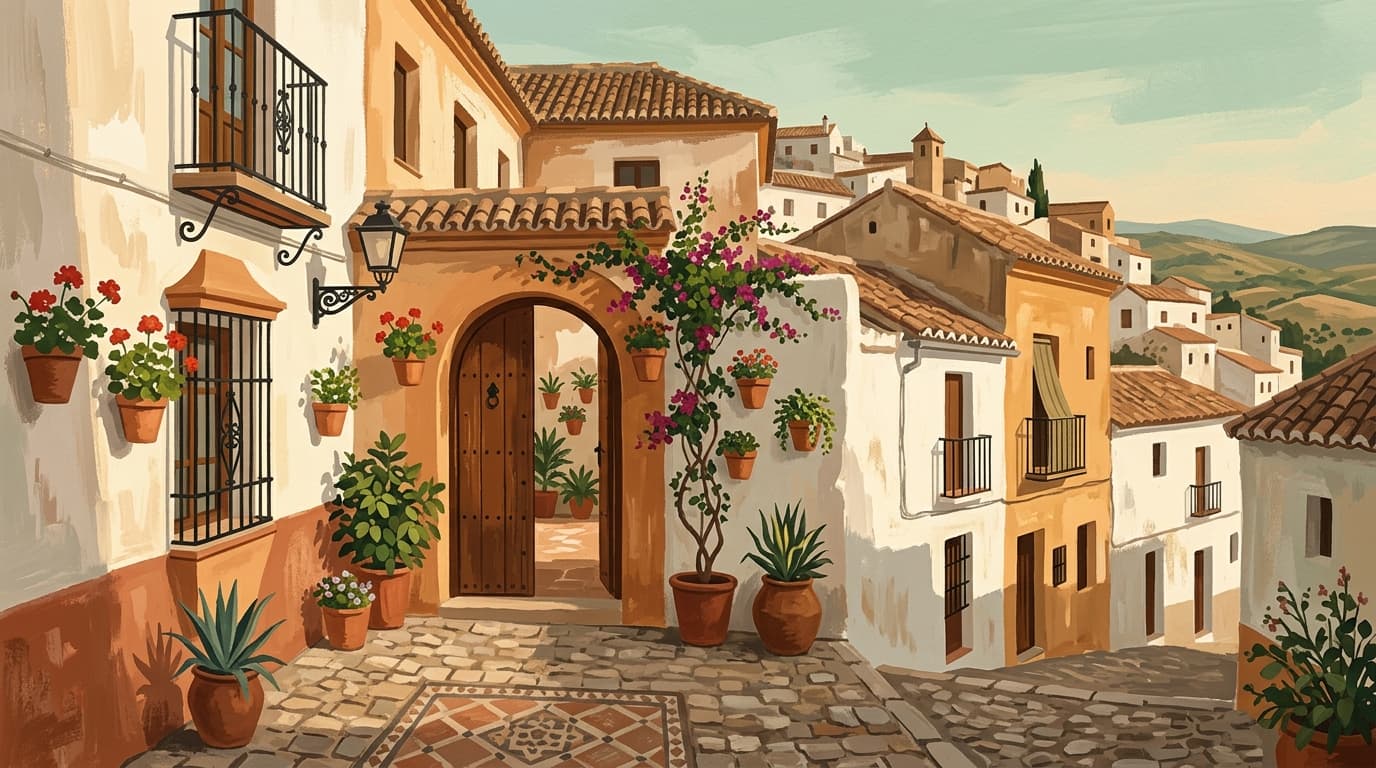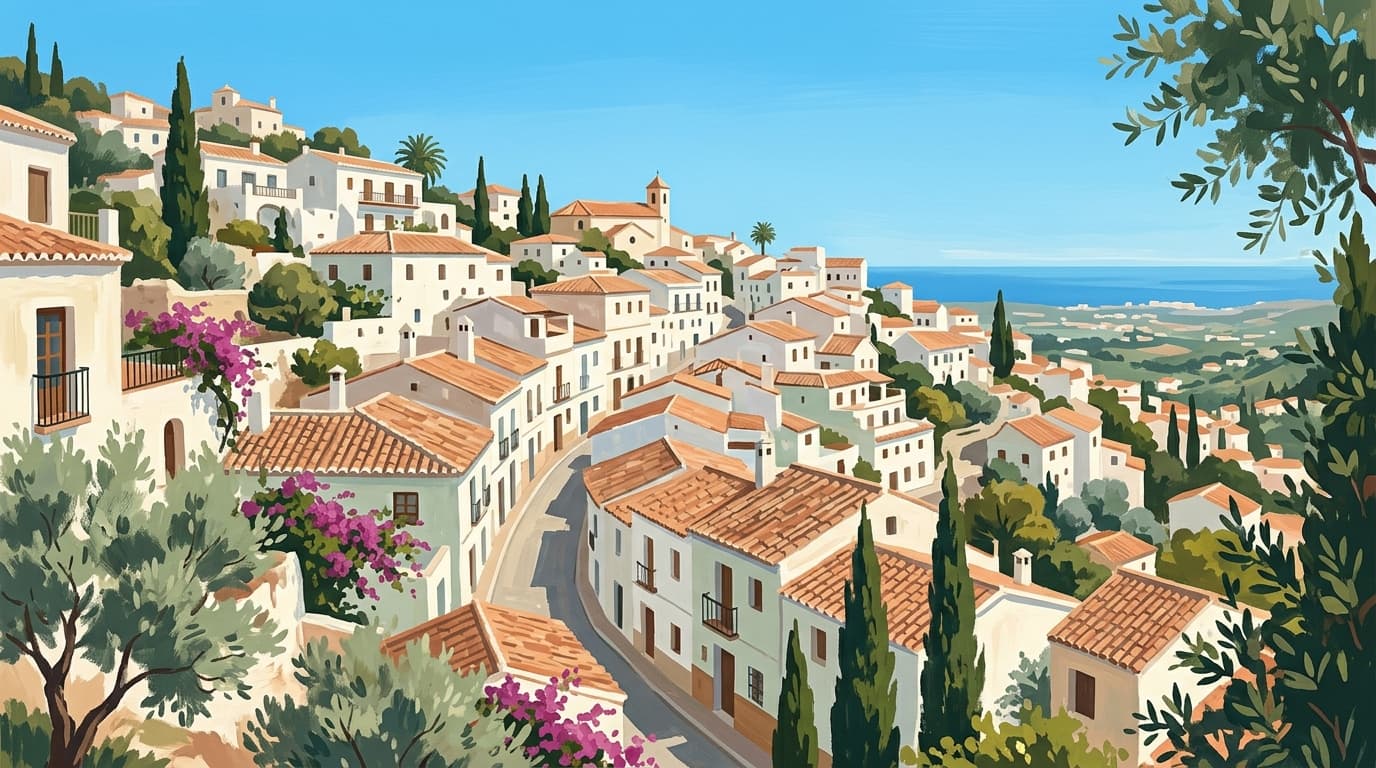
Perched on the lower slopes of the Sierra de Mijas, this whitewashed village offers expansive views across the Mediterranean towards the African coastline. It remains a cornerstone of traditional Andalucían architecture, providing a quiet retreat from the busy resorts of the Costa del Sol.
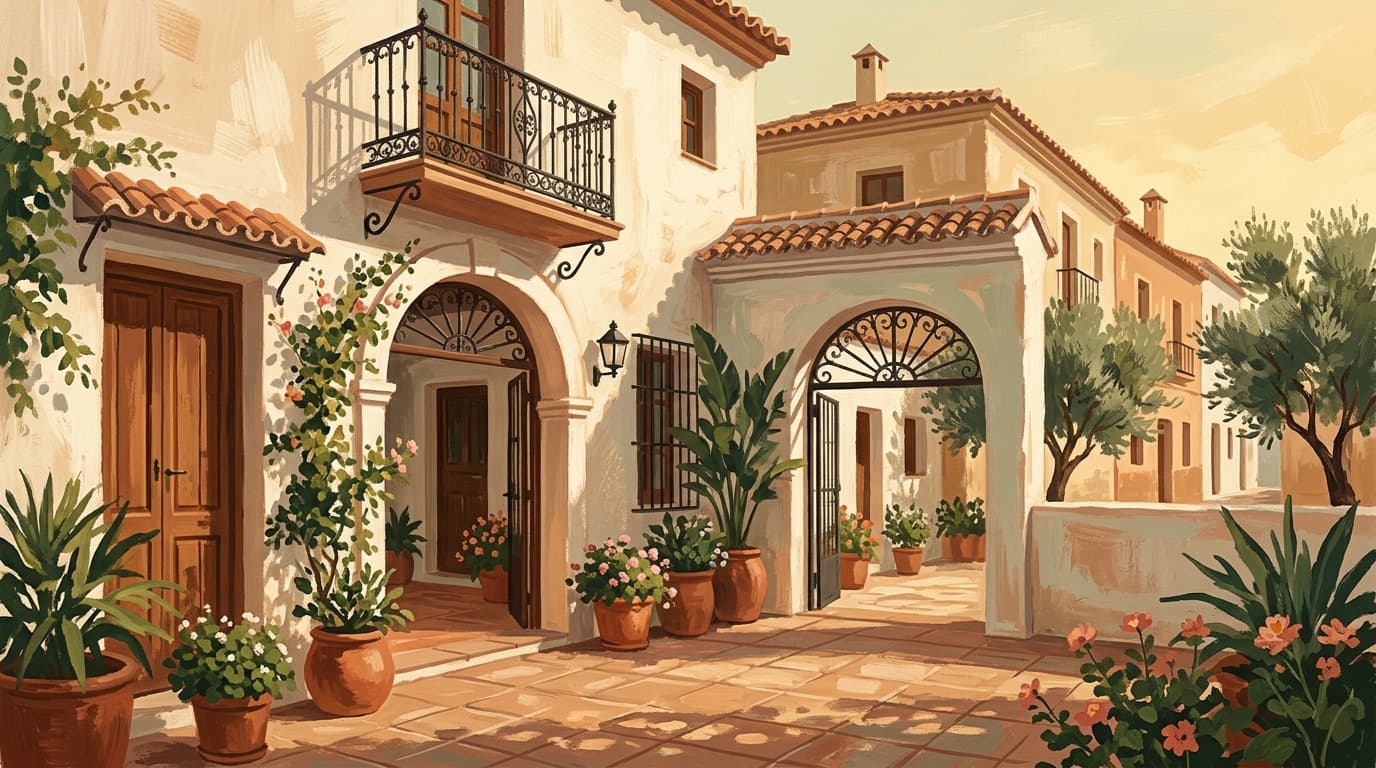
Mijas Pueblo is situated approximately 400 metres above sea level, a position that historically protected its residents from pirate raids while today offering some of the most celebrated viewpoints in the province of Málaga. Unlike the high-rise developments found along the nearby shoreline, the village has maintained its identity as a 'pueblo blanco'. The streets are a labyrinth of lime-washed houses, decorated with hundreds of blue ceramic flowerpots overflowing with geraniums. It is a place where the scent of jasmine hangs in the air and the pace of life feels tethered to a previous century.
While the village is a popular destination for day-trippers from Fuengirola and Marbella, it retains a local soul. You will find craftsmen working in leather and ceramics, elderly residents congregating on stone benches, and a traditional market atmosphere that survives alongside the tourist trade. The village is compact enough to explore on foot, though its steep inclines require a reasonable level of fitness or a willingness to take frequent breaks at the many terrace bars.
What to See & Do
The Famous Burro Taxis
Perhaps the most recognisable symbols of Mijas are the donkey taxis, or burros-taxi. This tradition began in the 1960s when local workers returning from the fields were frequently stopped by early tourists asking for photographs or a ride. Recognising a commercial opportunity that paid better than farming, the workers began offering formal rides. Today, there is a designated station next to the main square. While controversial for some, the service is strictly regulated by the local town hall to ensure the welfare of the animals, including mandatory rest periods and veterinary checks. For those who prefer not to ride, the donkeys remain a photogenic part of the village’s heritage.
Ermita de la Virgen de la Peña
Located near the main car park and the tourism office, this unique chapel was hollowed out of a solid rock face by Mercedarian monks in the 16th century. It houses the image of the Virgen de la Peña, the patron saint of Mijas. According to local legend, the statue was hidden during the Moorish occupation and rediscovered in 1586 when two children were guided to the site by a dove. The interior is simple and atmospheric, featuring religious icons and robes. The small lookout point outside the chapel provides a sweeping view of the coast, stretching from Fuengirola to the Rock of Gibraltar on a clear day.
The Oval Bullring (Plaza de Toros)
Built in 1900, the Mijas bullring is unusual because of its oval shape—a design dictated by the rocky, uneven terrain of the hillside. It is one of the smallest bullrings in Spain and is accessed through a gate that looks like any other whitewashed house on the street. Even if you have no interest in bullfighting, the architecture is fascinating. The site includes a small museum displaying matador costumes (trajes de luces) and historical posters. Admission is approximately €4, and the climb to the top of the stands offers a unique perspective over the village roofs and the parish church.
CAC Mijas: Contemporary Art Centre
It is often a surprise to visitors that this traditional village houses a world-class art collection. The CAC Mijas, located on Calle Málaga, features a permanent collection of ceramics by Pablo Picasso—the second largest such collection in the world. Picasso was born in nearby Málaga, and his influence is felt throughout the region. The gallery also features works by Salvador Dalí and other contemporary masters. The museum is typically open in the mornings (10:00 to 14:00), and entry costs €3. It is a quiet, air-conditioned space that offers a sophisticated contrast to the rustic streets outside.
Paseo de la Muralla and Gardens
To find the best botanical walk in the village, head towards the Muralla Gardens. These are built on the ruins of the old fortress that once defended the town. The gardens are designed to flower year-round and feature a wide variety of native plants and trees. The walkway follows the edge of the cliff, providing a natural balcony over the Mediterranean. It is a popular spot for birdwatching and is particularly beautiful at sunset when the light hits the white facades of the village behind you.
Practical Information
Opening Times: Most shops and monuments in Mijas Pueblo open at 10:00. The bullring and local museums typically close between 18:00 and 20:00 depending on the season. Note that the Contemporary Art Centre (CAC) often operates on a reduced schedule, closing at 14:00.
Ticket Prices:
- Bullring: €4
- CAC Mijas: €3
- Virgen de la Peña Chapel: Free (donations welcome)
- Burro Taxi: Approximately €15–€20 for a short circuit
How to Get There: The most convenient way to reach the village without a car is the M-122 bus from Fuengirola, which runs every 20 to 30 minutes and takes about 25 minutes. There is also a service from Torremolinos and Benalmádena (M-121). If driving, follow the A-368 from the coast.
Parking: Parking in a hillside village can be difficult, but Mijas has a large municipal multi-storey car park (Parking Virgen de la Peña) located directly under the main square. The rate is exceptional value, often costing just €1 for the entire day. Follow the signs for 'Parking Público' as you enter the village.
Where to Eat Nearby
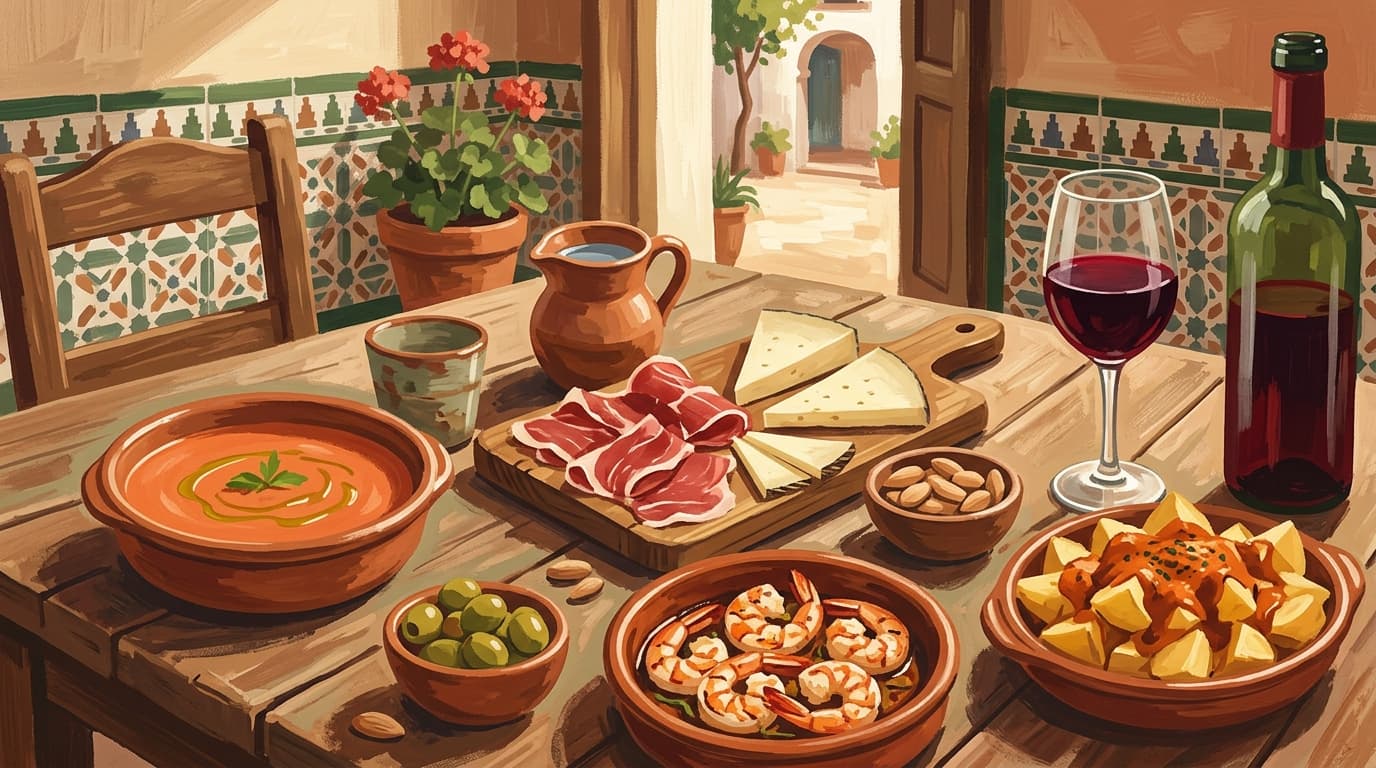
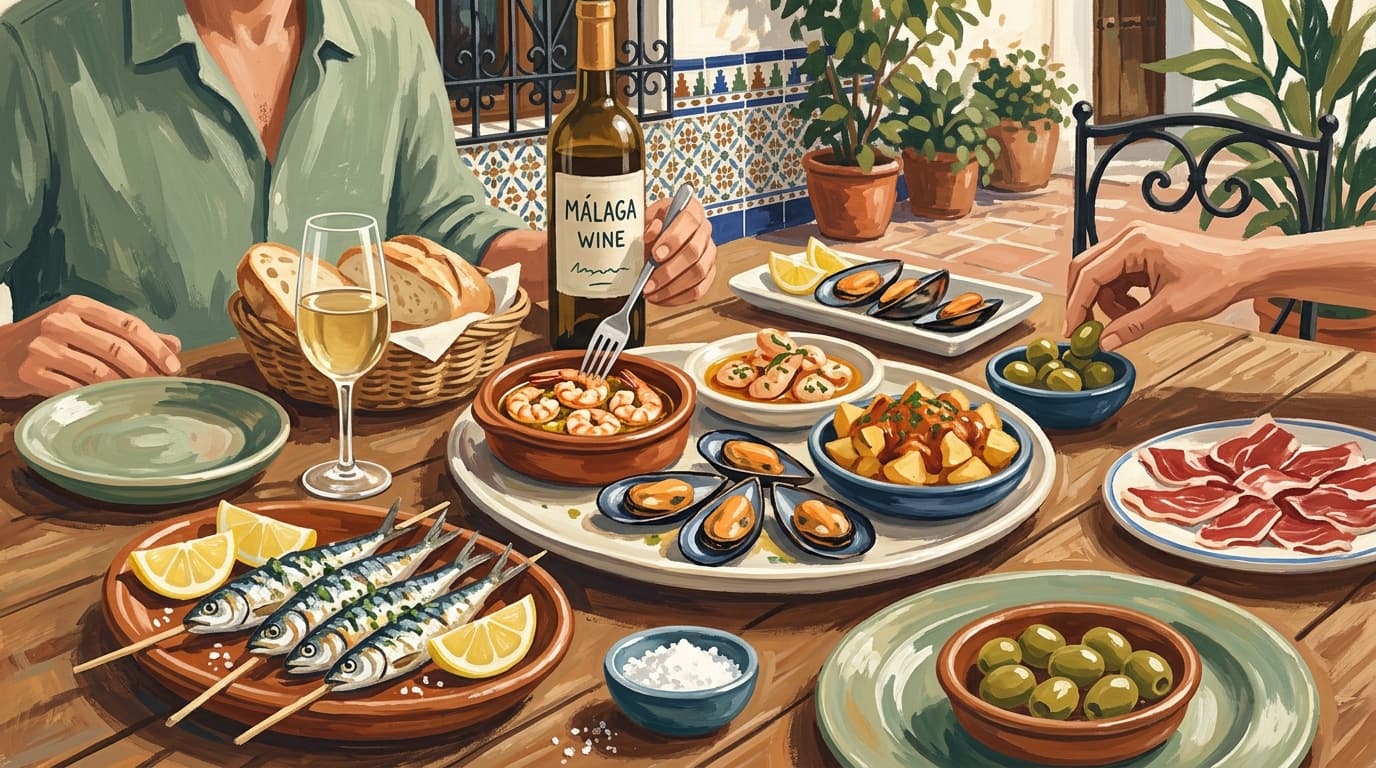
For a memorable lunch, Aroma Café & Secret Garden is highly recommended. Behind its modest entrance lies a sprawling, leafy courtyard where you can eat grilled meats and fresh salads under the shade of trees. If you are looking for traditional tapas with a view, Casa Museo on the main square offers a variety of local dishes including gazpacho limeño and pescaíto frito. For something more formal, Pampa Grill is widely regarded as one of the best steakhouses in the area, specialising in Argentine-style cuts prepared on an open flame.
Where to Stay
The TRH Mijas is the most prominent hotel in the village, built in a traditional Andalucían style with a central patio, a swimming pool, and rooms that offer balconies overlooking the sea. For a more intimate experience, La Posada de Mijas provides simple, comfortable guest rooms and apartments right in the centre of the old town. Staying overnight allows you to enjoy the village in the evening when the day-trip crowds depart and the plazas become the domain of the local residents.