Pampaneira sits at the base of the Poqueira Gorge, offering a look into the Berber-influenced architecture and traditional weaving crafts of the Alpujarra. This mountain village serves as a practical starting point for exploring the high peaks of the Sierra Nevada.
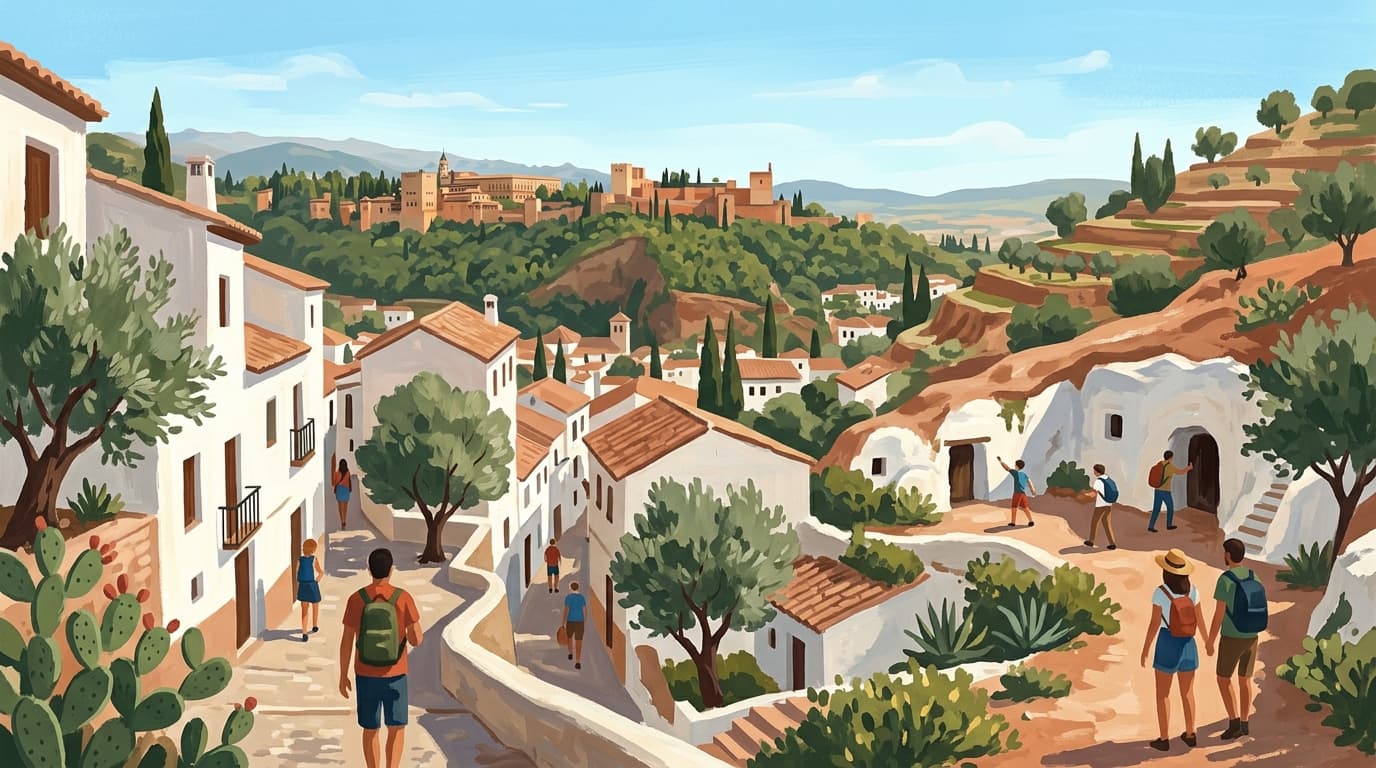
Pampaneira is the lowest of the three famous villages clinging to the steep slopes of the Barranco de Poqueira in the Alpujarra Granadina. Sitting at an elevation of 1,058 metres, it is often the first stop for travellers entering this high-altitude region from Granada or the coast. The village is part of a UNESCO-protected historical complex, recognised for its preservation of a unique architectural style that dates back to the Berber settlers of the 8th century. Unlike the white villages of western Andalucía, the homes here feature flat roofs and distinctive cylindrical chimneys topped with slate caps.
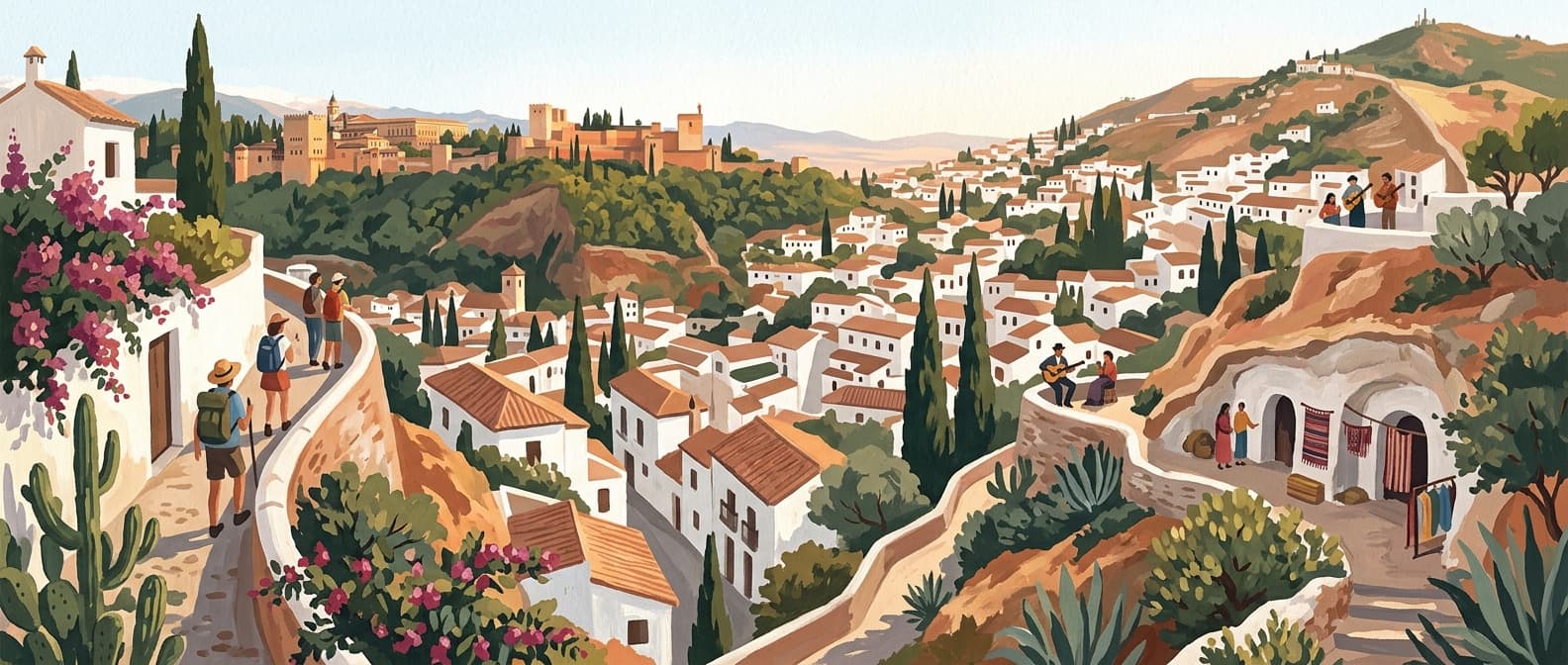
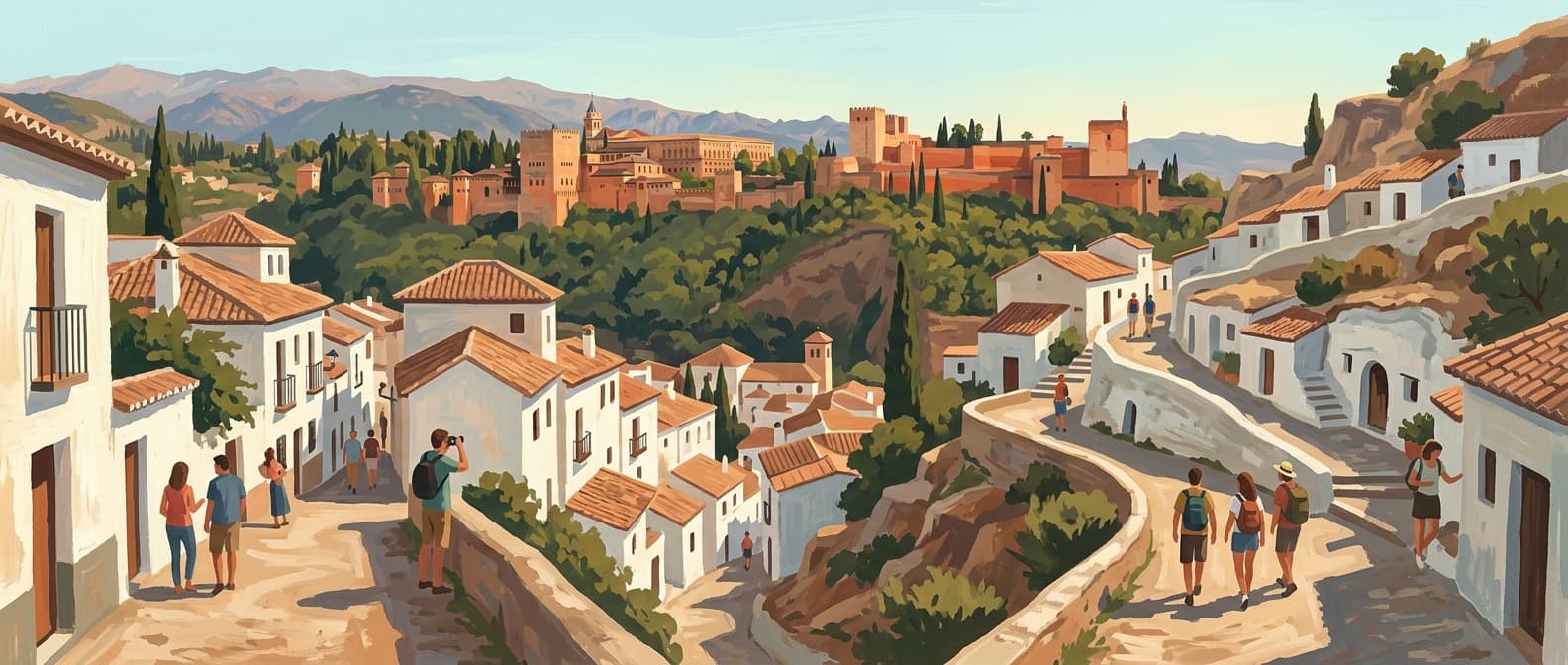
The layout of the village is a steep labyrinth of narrow, stone-paved streets designed to provide shade in summer and protection from the mountain winds in winter. Water is a constant presence, flowing through open stone channels known as acequias that run down the centre of the roads. This irrigation system, another legacy of the Moorish era, continues to support the terraced farms that cling to the surrounding mountainsides. Visitors will find that Pampaneira strikes a balance between being a functional mountain community and a hub for traditional Andalucían crafts.
What to See & Do
Plaza de la Libertad and the Church of Santa Cruz
The village life revolves around the Plaza de la Libertad. This central square is unusually large for such a vertical village and provides one of the few flat spaces for gathering. It is framed by the 16th-century Church of Santa Cruz, a building notable for its ochre-coloured brickwork and Mudéjar-style wooden ceiling. Inside, the altarpiece is a significant example of local religious art. The square itself is lined with small shops and café terraces where you can observe the daily rhythm of the village. It is also the best place to see the contrast between the white-washed walls and the colourful textiles hanging from the balconies.
The Tradition of Jarapa Weaving
Pampaneira is famous for its textile industry, specifically the production of 'jarapas'. These are heavy, multi-coloured rugs or wall hangings made from recycled scraps of cotton, wool, and silk. You can find several workshops, such as Taller de Jarapas Hilacar, where traditional looms are still in operation. Unlike mass-produced souvenirs, these rugs are durable and represent a sustainable craft that has supported the local economy for centuries. Most shops allow you to walk in and see the looms, and the prices are remarkably reasonable considering the manual labour involved.
The Legend of Fuente de San Antonio
Located near the entrance of the village, the Fuente de San Antonio (also known as La Chumpaneira) is more than just a source of fresh mountain water. A plaque above the fountain carries a playful warning: it claims that any single person who drinks the water with the intention of finding a partner will be married almost immediately. While the legend is a local joke, the water is exceptionally cold and clear, piped directly from the Sierra Nevada snowmelt. It remains a popular photo spot and a literal watering hole for hikers returning from the gorge.
Architectural Features: Tinaos and Chimneys
To truly understand Pampaneira, you must explore the upper streets to see the 'tinaos'. These are architectural overhangs that create tunnel-like passages over the streets, effectively supporting a room or a terrace of the house above. They provide shelter from the rain and sun, creating a communal space for neighbours. Look up to see the chimneys; they are wide and cylindrical, often topped with a flat piece of slate and a small stone. This design prevents the heavy winter snow from blocking the flue while allowing smoke from the wood-burning stoves to escape.
Hiking the Barranco de Poqueira
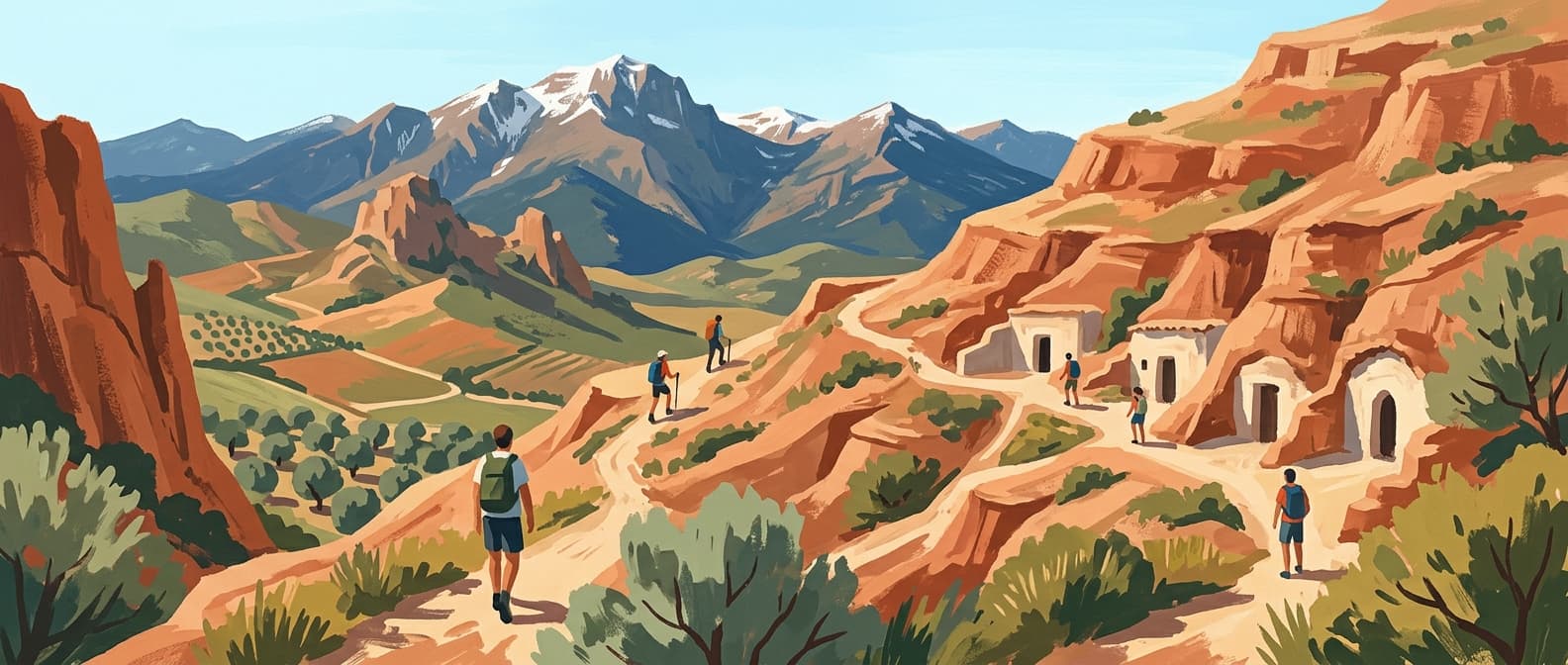
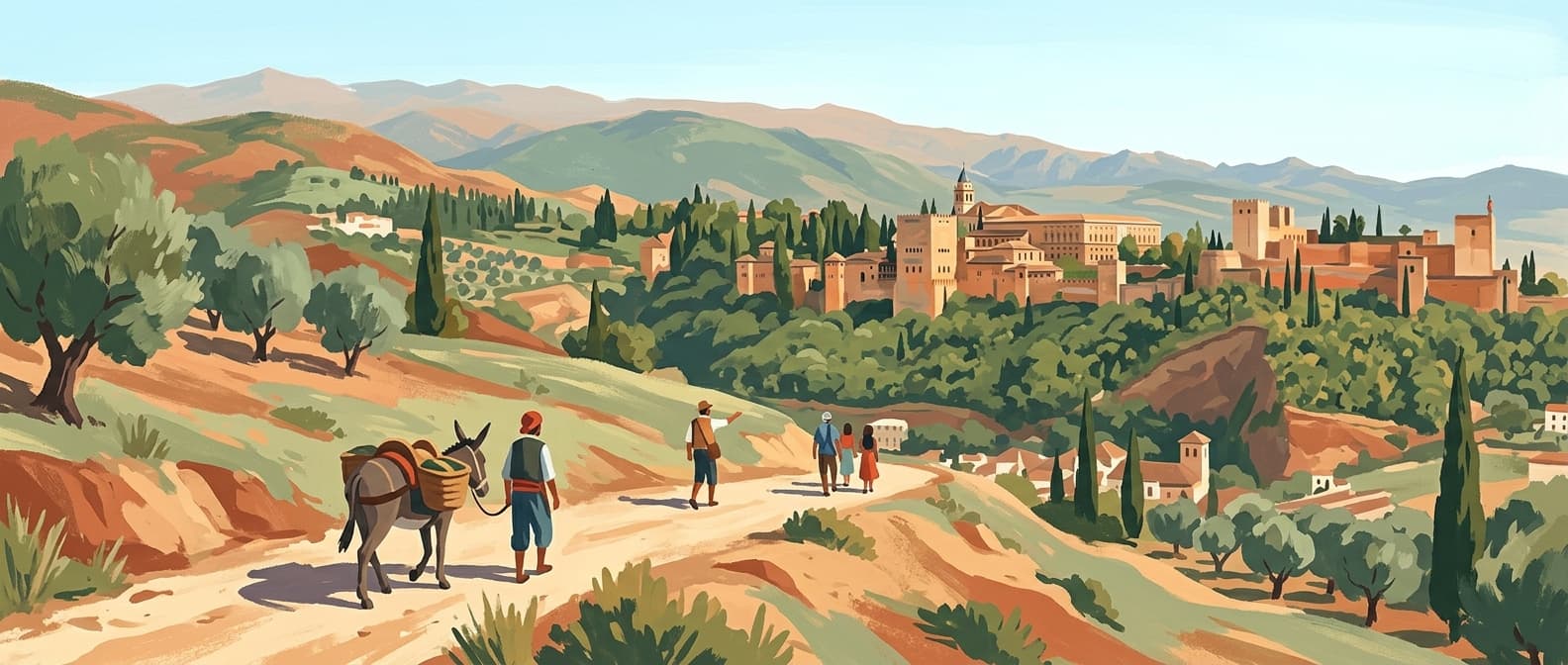
Pampaneira is the starting point for one of the most rewarding short hikes in the Alpujarra. A well-marked trail connects Pampaneira with its sister villages, Bubión and Capileira. The walk from Pampaneira to Bubión takes roughly 45 to 60 minutes and involves a steep ascent. The path offers views across the gorge to the abandoned village of Alguástar and the snow-capped peaks of Mulhacén and Veleta in the distance. For those looking for something less strenuous, the walk down to the Poqueira River at the bottom of the valley provides a shaded route through ancient chestnut and walnut groves.
Practical Information
Opening Times: As a living village, the streets and fountains are open 24 hours a day. Artisan shops generally open from 10:00 to 14:00 and 16:30 to 20:00. The Church of Santa Cruz is usually open during mass times or on weekend mornings (typically 11:00 to 13:00).
Ticket Prices: There is no fee to enter the village or hike the local trails. The Chocolate Factory (Abuela Ili) offers free entry to their small exhibition and shop.
How to Get There: From Granada city, take the A-44 motorway south towards Motril, exiting at junction 164 for Lanjarón (A-348). Follow the winding mountain road through Lanjarón and Órgiva, then turn onto the A-4132 following signs for the Barranco de Poqueira. The drive takes approximately 75 minutes. There is an ALSA bus service from Granada (three times daily) that takes about 2 hours and 15 minutes, costing roughly €6 each way.
Parking: Driving inside the village centre is restricted to residents. There is a designated public car park at the entrance of the village and another smaller area at the top. During weekends and bank holidays, these fill up quickly, so arriving before 11:00 is highly recommended.
Where to Eat Nearby
For a traditional experience, Restaurante Casa Diego in the main square is a reliable choice. Order the 'Plato Alpujarreño', a substantial mountain meal consisting of fried eggs, local ham (jamón de Trevélez), chorizo, morcilla (black pudding), and 'papas a lo pobre' (slow-cooked potatoes with peppers and onions). Another excellent option is Restaurante Teide, which offers a slightly more varied menu including local trout and slow-roasted lamb. For something sweet, visit the Abuela Ili Chocolate Factory near the village entrance to sample handmade chocolates infused with local mountain herbs and figs.
Where to Stay
Accommodation in Pampaneira consists mostly of small guest houses and rural apartments. Hostal Pampaneira is located right in the centre, offering simple, clean rooms with traditional decor and easy access to the square. For those seeking more space, Estrella de las Nieves, located just on the edge of the village, provides larger rooms and a swimming pool with views looking up towards the higher peaks. Booking in advance is essential during the autumn chestnut season and spring hiking months.