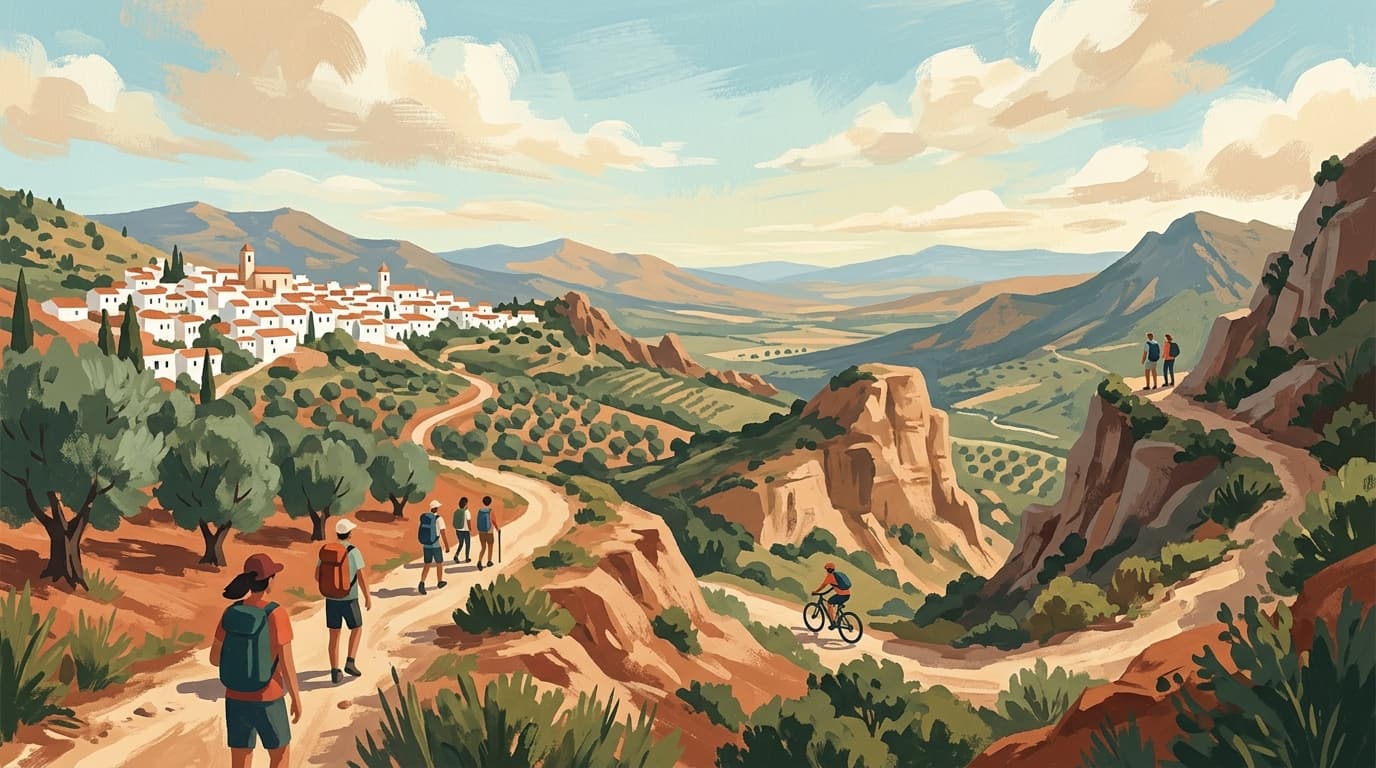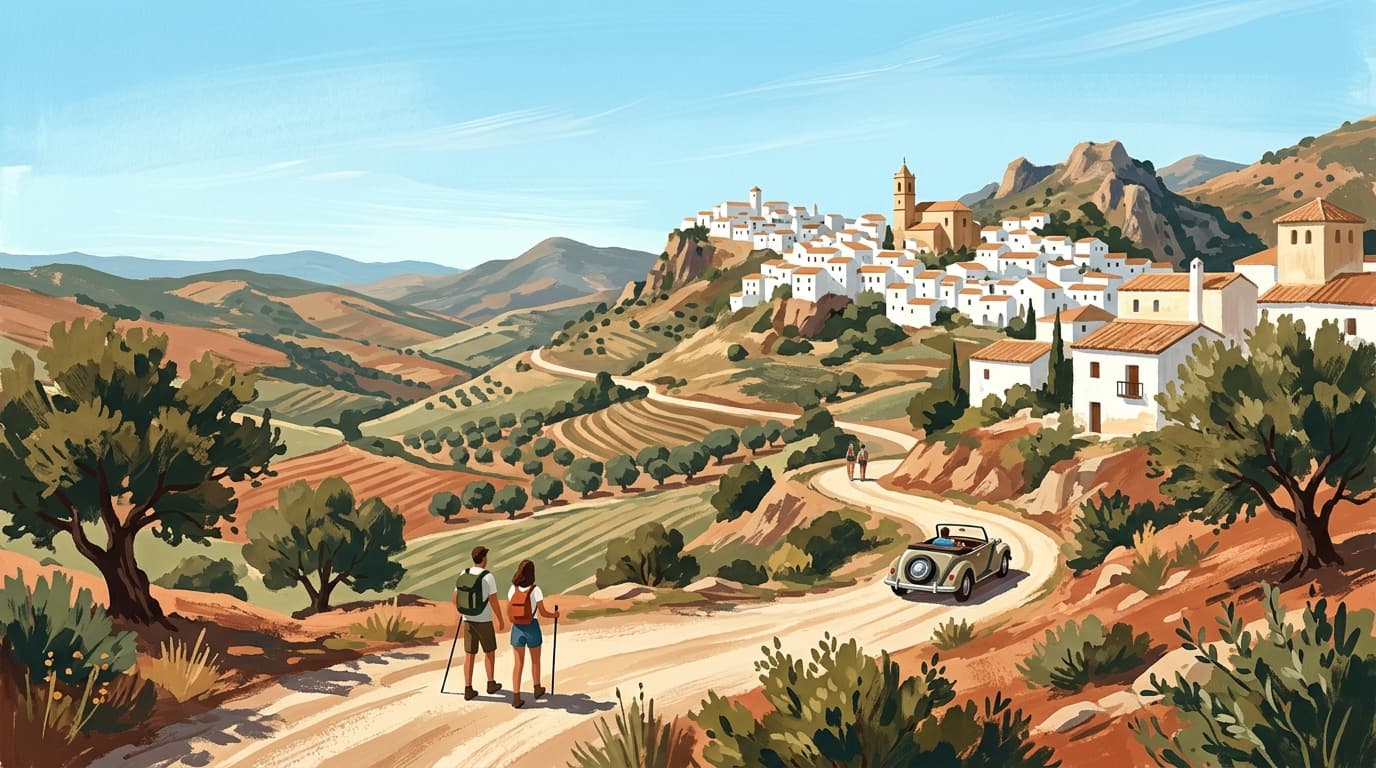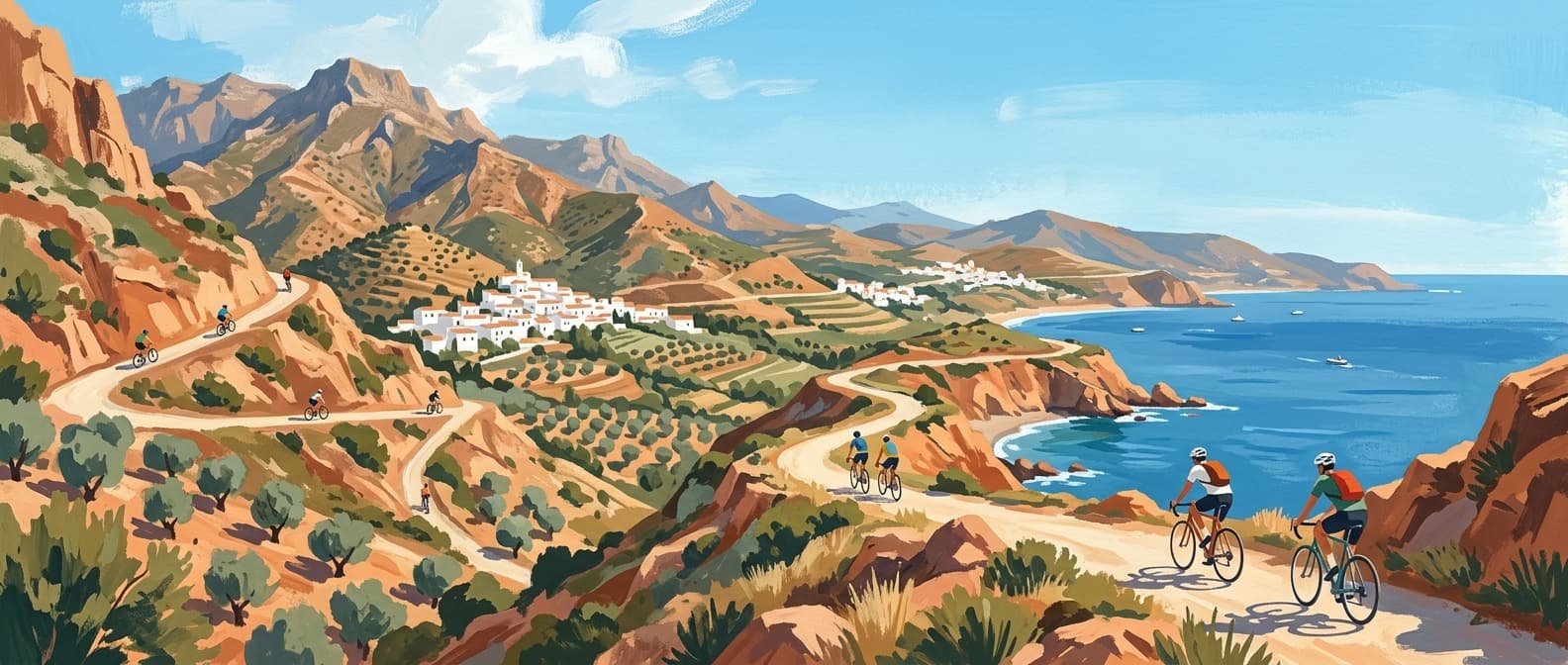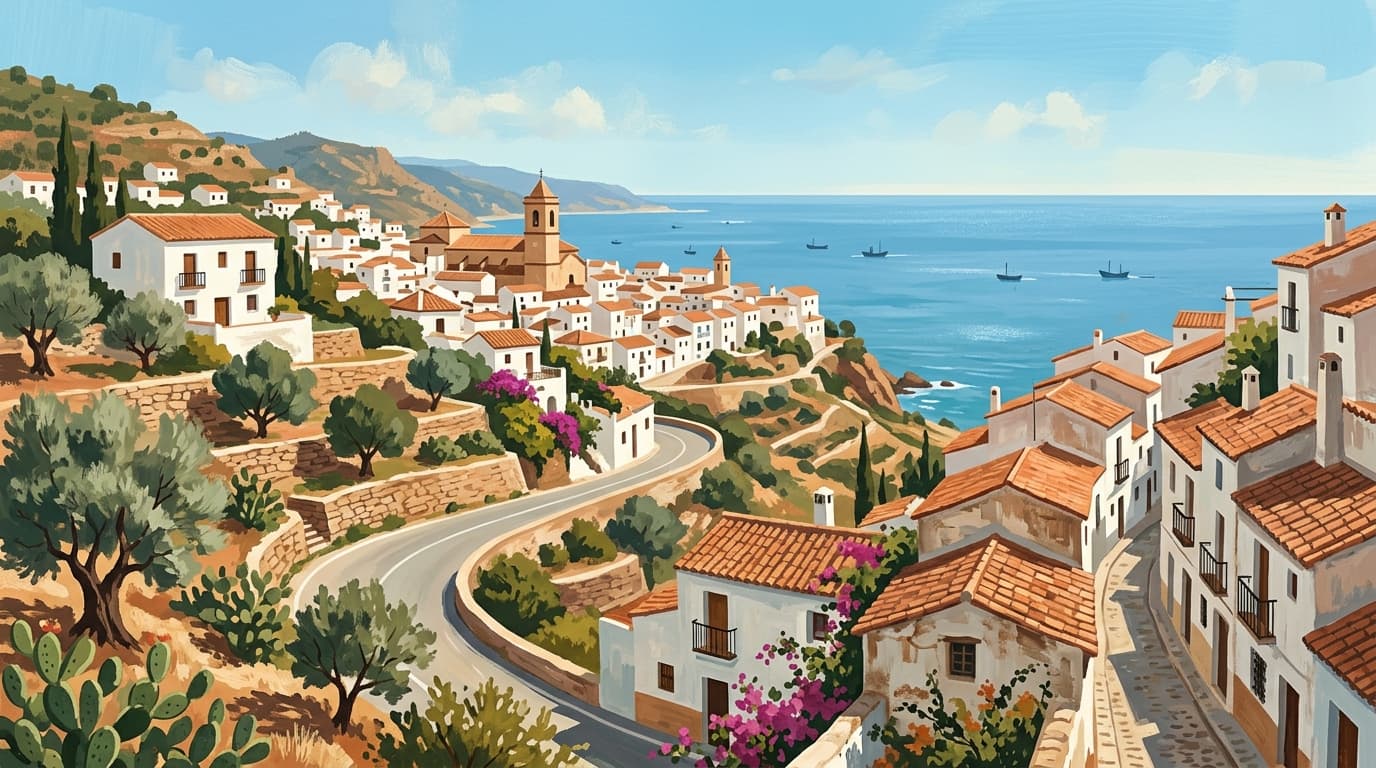
Torrox offers a distinct dual identity, balancing a traditional Moorish village with a sun-drenched coastline. It holds the official title of Europe’s best climate, providing mild temperatures and clear skies throughout the year.
Torrox sits on the eastern stretch of the Costa del Sol, a region known as the Axarquía. Unlike the high-rise landscape found west of Málaga, this area retains a more rugged, authentic character. The town itself is split into two distinct parts: Torrox Pueblo, which sits four kilometres inland on a hillside, and Torrox Costa, a popular seaside resort built around an ancient lighthouse and Roman ruins. This geographical divide allows visitors to experience both the slow pace of an Andalucian white village and the convenience of a modern coastal holiday spot.
The town gained international fame in the 1990s following a meteorological study that declared it the owner of the "Best Climate in Europe." Protected from harsh northern winds by the Sierra Almijara mountains and cooled by Mediterranean breezes, the average annual temperature hovers around 18 degrees Celsius. This remarkable weather has attracted a significant permanent population of northern Europeans, particularly from Germany, giving the town a cosmopolitan feel where you are just as likely to find a traditional bakery selling rye bread as you are a chiringuito serving grilled sardines.
What to See & Do in Torrox
The Roman Heritage of Caviclum
One of the most significant archaeological sites in the Málaga province is located right on the coast, next to the lighthouse. Known in antiquity as Caviclum, this Roman complex dates back to the 1st century AD. It was a thriving industrial and residential hub, famous for producing garum, the fermented fish sauce that was a staple of the Roman diet. Today, you can view the remains of a Roman villa, a necropolis, and remarkably well-preserved thermal baths through glass flooring structures or by walking around the site. The thermal baths were part of a larger villa maritima, and the mosaics discovered here provide a glimpse into the luxury enjoyed by the Roman elite on these shores.
The Faro de Torrox (Lighthouse)
The lighthouse is the unmistakable landmark of the coastline. Built in 1864, it is unique in the province because it incorporates parts of the Roman ruins into its foundations. Inside the building, you will find the Marine Museum (Museo Marino), which documents the maritime history of the area and the archaeological findings from the surrounding site. The promenade around the lighthouse offers clear views across the Mediterranean; on clear winter days, the Rif mountains of Morocco are often visible on the horizon.
Torrox Pueblo: The White Village
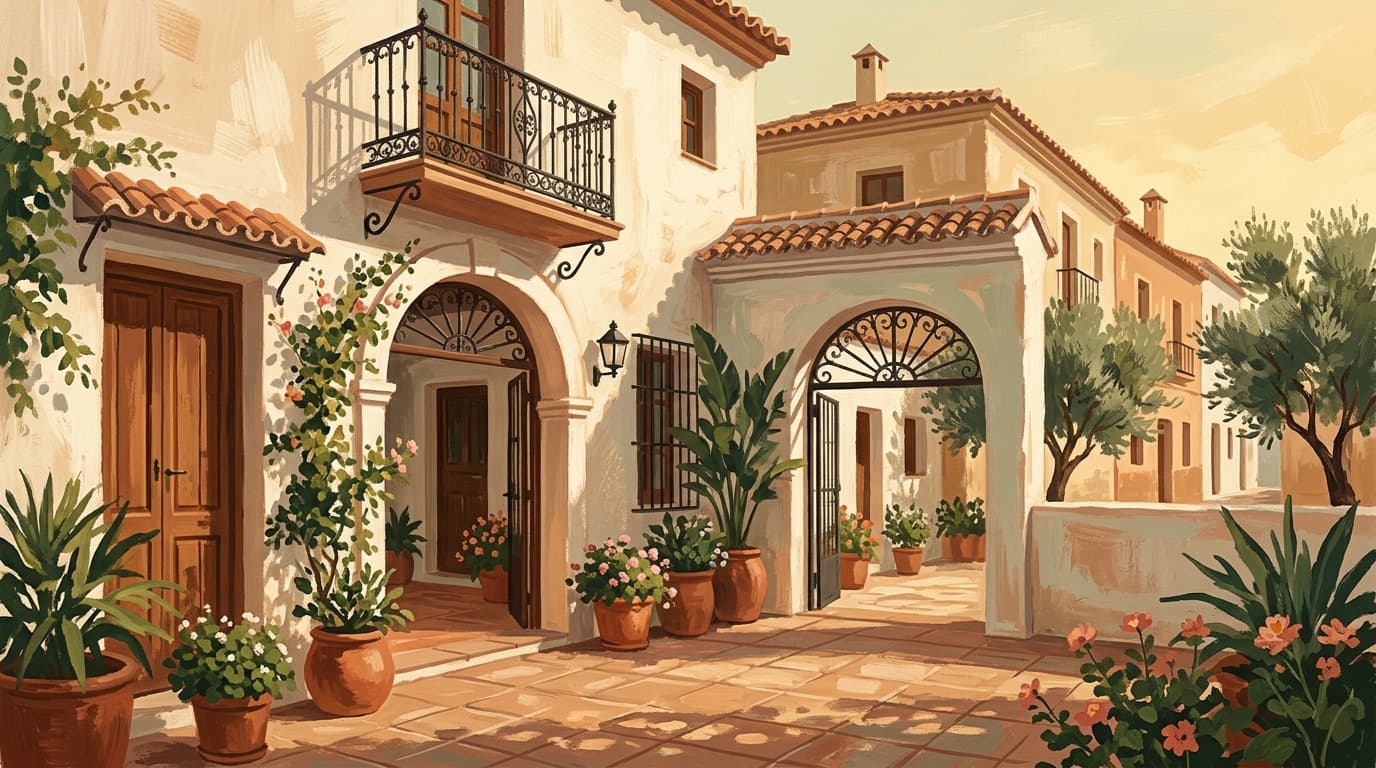
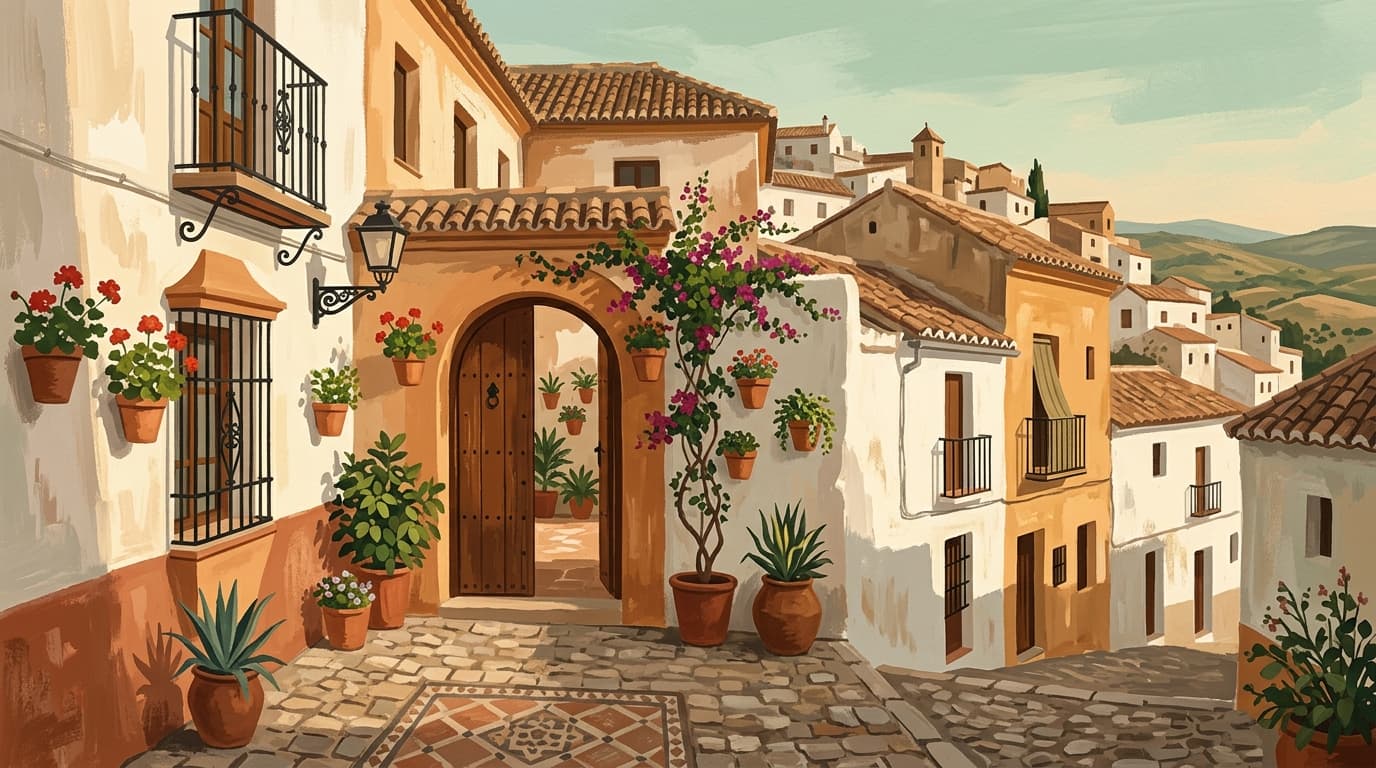
A short drive or bus ride uphill brings you to Torrox Pueblo. This is a classic Andalucian pueblo blanco with narrow, winding streets and houses draped in bougainvillaea. The heart of the village is the Plaza de la Constitución. This square is famous for its canopy of hundreds of colourful umbrellas, which provide shade during the summer months and create a striking visual against the whitewashed buildings. From here, you can walk to the 16th-century Iglesia de Nuestra Señora de la Encarnación, built on the foundations of a former mosque. The church features a Mudejar-style wooden ceiling and a square tower topped with a pyramid-shaped spire.
Beaches and the Paseo Marítimo
Torrox Costa features several kilometres of dark sand beaches. Playa Ferrara is the largest and most developed, equipped with all the facilities expected of a Blue Flag beach, including sun loungers, showers, and accessible ramps. To the west lies Playa El Morche, which is particularly popular with families due to its shallow waters and wide expanse of sand. The Paseo Marítimo (promenade) connects these areas, lined with restaurants, cafes, and shops. It is the social heart of the coast, ideal for an evening stroll as the sun sets behind the hills of Nerja.
The German Connection
Torrox is home to one of the largest German expat communities in Spain. This influence is subtle but present, particularly in the coastal areas. You will find German newspapers at the kiosks, several German-run medical practices, and specific festivals like Oktoberfest being celebrated alongside traditional Spanish ferias. This cultural blend has created a unique atmosphere where German efficiency meets Andalucian hospitality, making it an exceptionally easy place for international visitors to navigate.
Practical Information
Opening Times & Prices
The Roman Ruins and the Lighthouse Museum are generally open from Tuesday to Sunday. During the summer, hours are typically 10:00 to 14:00 and 17:00 to 20:00. In winter, the afternoon hours shift to 16:00 to 18:00. Admission to the Roman site is usually free, while the museum may charge a nominal fee of around €2. It is always wise to check locally at the Tourist Office in the Plaza de la Constitución or on the Paseo Marítimo, as times can change during local holidays.
Getting There
Torrox is located 45 kilometres east of Málaga. If you are driving, take the A-7 motorway (Autovía del Mediterráneo) and exit at junction 285. The journey from Málaga city takes roughly 40 to 50 minutes.
For those using public transport, the ALSA bus company runs regular services from Málaga’s central bus station and the Muelle Heredia port. There are also frequent connections to the neighbouring town of Nerja (15 minutes away) and Torre del Mar. The bus typically stops at both Torrox Costa and Torrox Pueblo, but ensure you check the specific stop when boarding.
Parking
In Torrox Costa, there is ample street parking along the main Avenida de Andalucía and a large public car park near the lighthouse. During July and August, these spaces fill up quickly, so arriving before 11:00 is recommended. In Torrox Pueblo, parking is more challenging due to the narrow streets; use the designated public car parks on the edge of the village near the Almedina area and walk into the centre.
Where to Eat Nearby
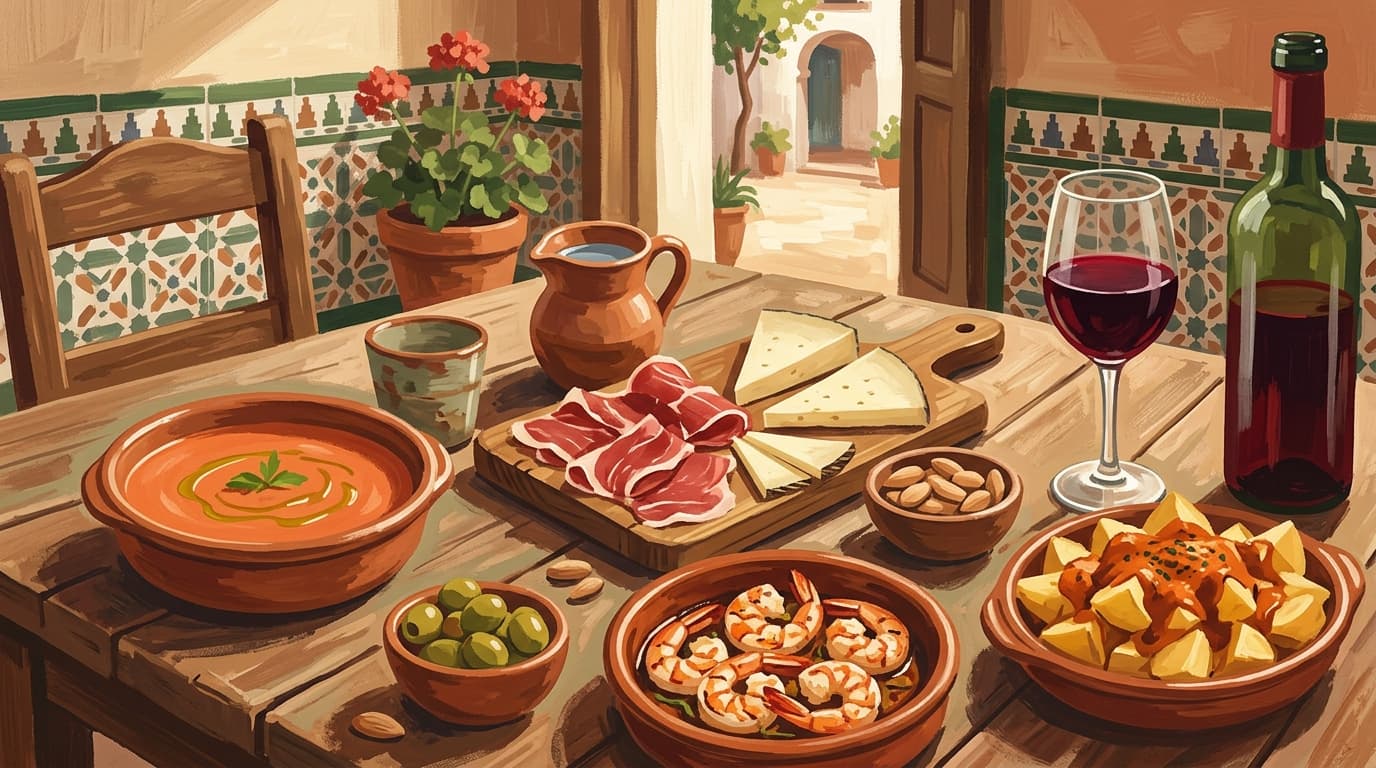
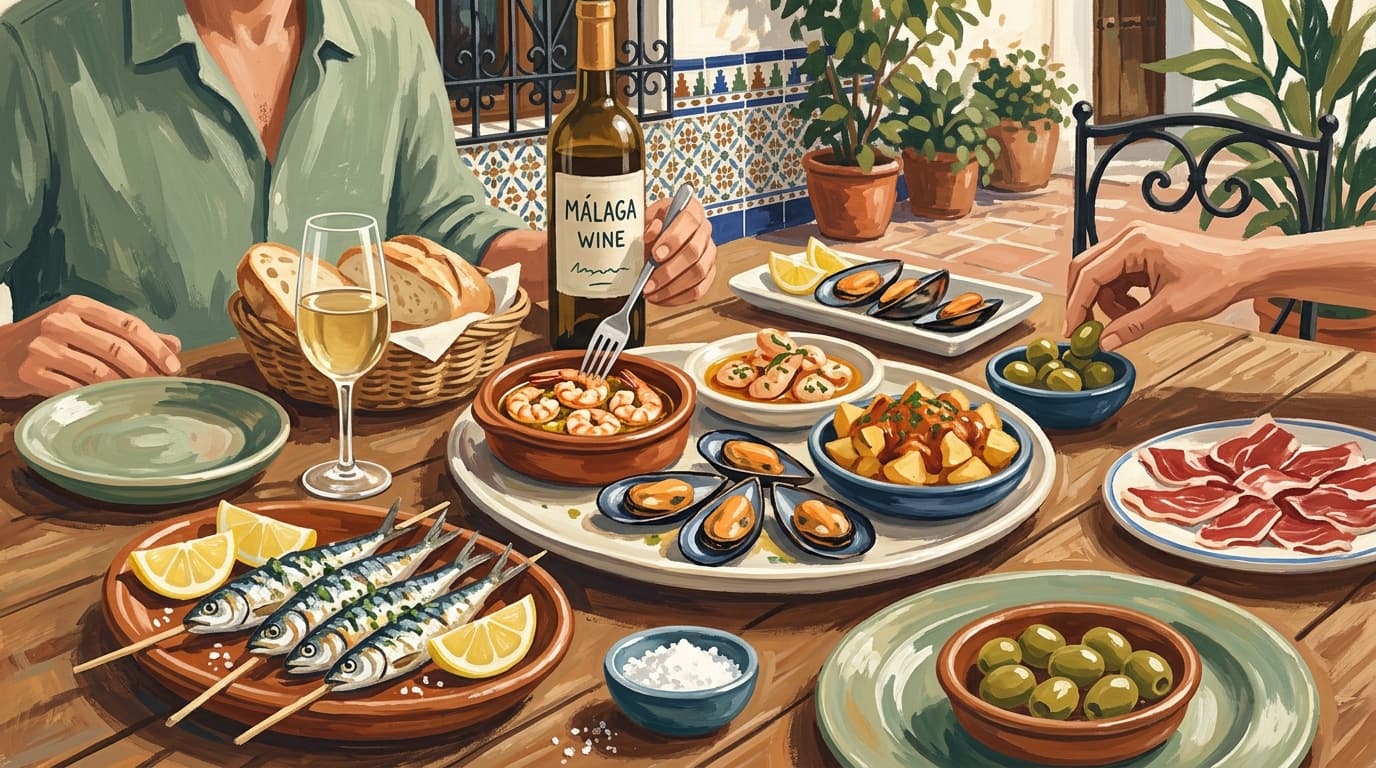
For a traditional experience, head to the Pueblo during the December Migas Festival, or visit Mesón Jorge to try migas (fried breadcrumbs served with grapes, oranges, and fried peppers) any time of year. On the coast, Chiringuito El Playazo is a superb choice for espetos de sardinas (sardines skewered and grilled over olive wood fires). If you prefer a more formal setting, Restaurante El Morche offers excellent fresh seafood, particularly their fritura malagueña (mixed fried fish). For those craving international flavours, the promenade features several high-quality German eateries and Italian pizzerias.
Where to Stay
The Iberostar Málaga Playa is the most prominent hotel on the coast, designed in an eye-catching Moorish style and situated directly on the promenade. It offers extensive facilities, including large pools and direct beach access. For a quieter, more local experience, consider a boutique guest house in Torrox Pueblo, such as Hotel La Casa, which provides incredible views over the valley and the sea from its rooftop terrace. There are also hundreds of self-catering apartments available along the Ferrara and El Morche beaches.