Málaga offers some of the most accessible urban coastlines in Spain, stretching from the modern port to traditional fishing districts. These beaches provide a seamless transition from city culture to Mediterranean relaxation for any visitor.
For decades, Málaga was often overlooked as merely a gateway to the wider Costa del Sol. Today, the city has reclaimed its coastline, transforming its seafront into a series of distinct districts that cater to sunseekers, families, and food lovers. The city beaches are not remote escapes; they are an extension of the urban fabric, where the sound of the waves competes with the clinking of glasses in local chiringuitos. Whether you are looking for the convenience of the city centre or the quiet charm of an old fishing village, Málaga’s shoreline has a specific character to suit your pace.
The geography of Málaga’s coast is divided into two distinct halves by the Port of Málaga. To the east, you find the classic urban stretches and the historic fishing quarters. To the west, the beaches are wider, backed by residential neighbourhoods and industrial landmarks. Walking the length of the city's promenade is perhaps the best way to understand how the local Malagueños live, moving from morning swims to long, lazy lunches of grilled sardines.
The Eastern Beaches: From the Port to the Fishing Villages
Playa de la Malagueta
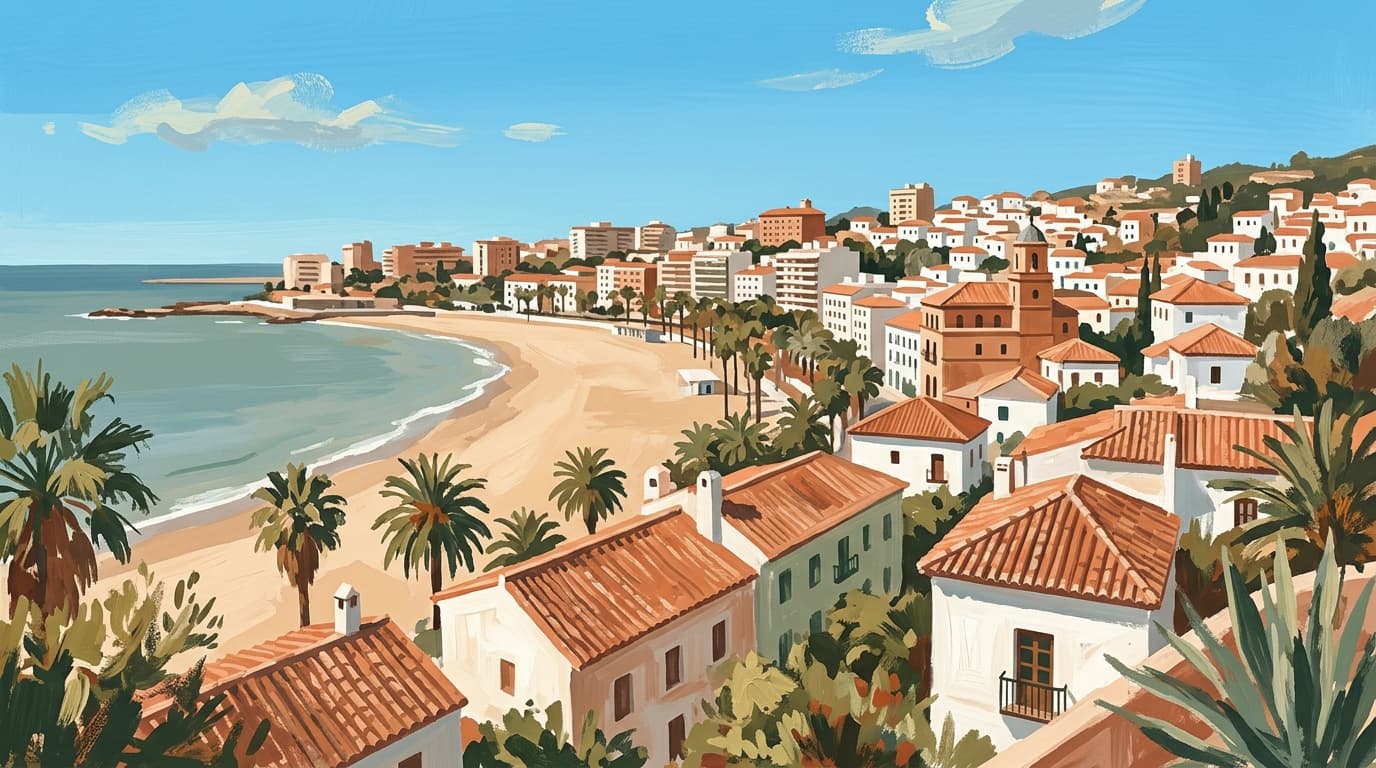
This is the most famous stretch of sand in the city, largely due to its proximity to the historic centre. Just a ten-minute walk from the Cathedral or the Paseo del Parque, Malagueta is the quintessential urban beach. It is roughly 1.2 kilometres long and is easily identified by the large sand sculpture spelling out its name—a popular spot for a quick photograph. Because it is so central, it is well-served by amenities, including outdoor fitness areas, children’s playgrounds, and numerous sunbed rental stations.
The sand here is darker and coarser than the white beaches further west in the province, but the water is generally calm and safe for swimming. The promenade, known as the Paseo Marítimo Pablo Ruiz Picasso, is lined with tall palm trees and provides plenty of shade for those walking or cycling between the port and the eastern districts. In the summer months, Malagueta is a social hub, but it retains a relaxed atmosphere even on the hottest afternoons.
Pedregalejo and El Palo
Continuing east, the urban skyline gives way to the low-rise, colourful houses of Pedregalejo and El Palo. These former fishing villages have retained a distinct, village-like identity. The beaches here are not long, straight stretches but a series of small, man-made horseshoe coves. These breakwaters create very calm, shallow waters, making them the preferred choice for local families with young children.
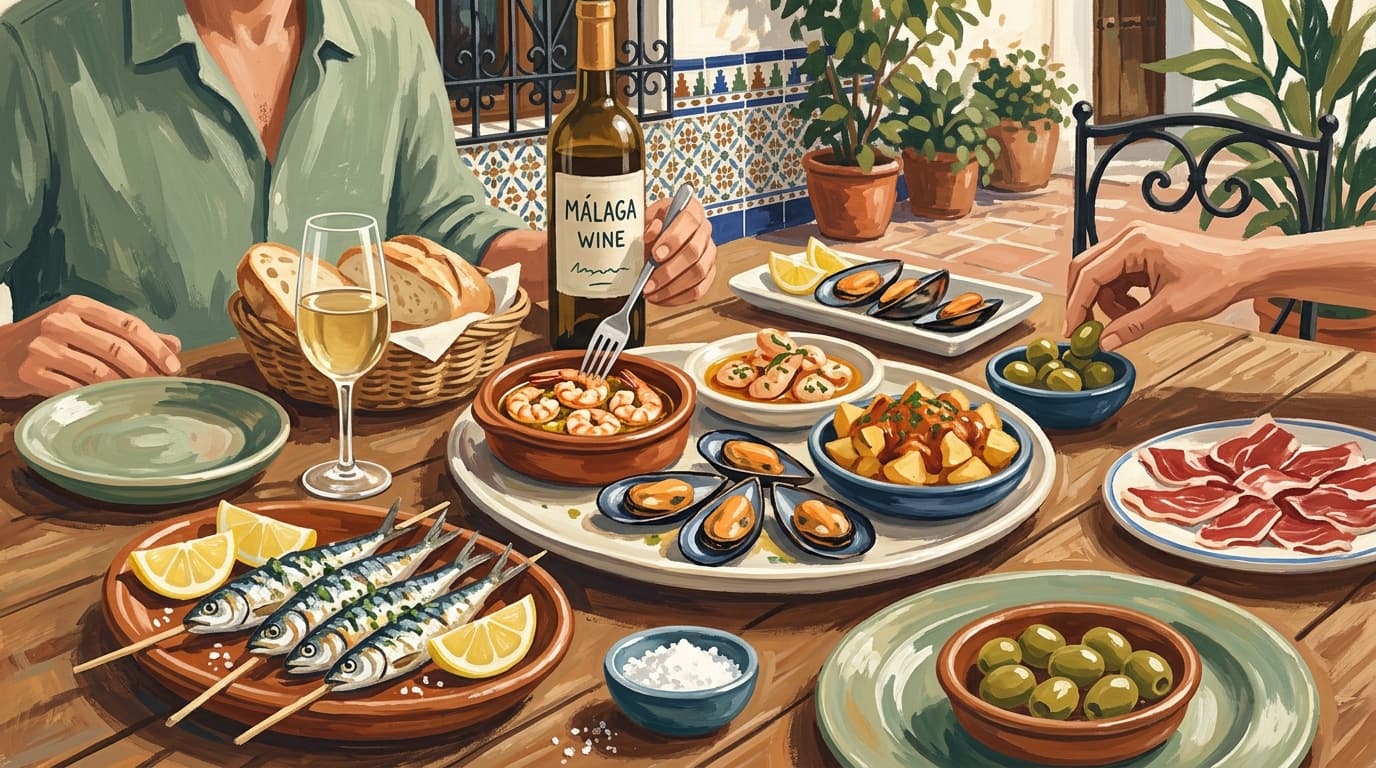
The real draw of Pedregalejo is the culinary tradition. The promenade here is narrower and more intimate, packed with small restaurants and chiringuitos where the catch of the day is cooked over open wood fires in small boats filled with sand. This is the spiritual home of the espeto de sardinas—sardines skewered on bamboo sticks and grilled to perfection. The atmosphere here is less about sunbathing and more about the communal experience of eating seafood by the water.
Baños del Carmen
Situated between Malagueta and Pedregalejo, Baños del Carmen is a site of significant local heritage. Once an elegant seaside resort and spa opened in 1918, it now has a somewhat weathered, atmospheric charm. The small beach is stony, but the terrace of the restaurant remains one of the most sought-after spots in the city for a sundowner. It offers an unobstructed view of the Málaga skyline and the mountains beyond, providing a sense of space that is hard to find in the busier centre.
The Western Beaches: Industrial Heritage and Wide Sands
Playa de la Misericordia
To the west of the port lies Playa de la Misericordia, a two-kilometre stretch of sand that feels much more local and spacious than its eastern counterparts. This area is defined by its industrial past, with several tall brick chimneys from old sugar and lead factories still standing tall along the promenade. These structures serve as landmarks and provide a striking backdrop for a day at the beach.
Misericordia is wider than Malagueta and often experiences more wind, making it a favourite for kite surfers and those who prefer a bit of a breeze. A curious local phenomenon occurs here known as the "Ola del Melillero." Every evening, the arrival of the high-speed ferry from Melilla creates a sudden, large wave that can catch unsuspecting sunbathers by surprise, often soaking towels left too close to the shoreline. It is a local tradition for children to wait by the water’s edge specifically for this wave to arrive.
Practical Information
Access and Entry: All beaches in Málaga are public and free to enter. There are no private beach clubs that restrict access to the sand or the water.
Sunbeds and Facilities: Sunbed (hamaca) and parasol rentals are available on most stretches. Prices typically range from €7 to €10 per day for a set. Most beaches are equipped with public showers, toilets (often located in the chiringuitos), and lifeguards during the high season from June to mid-September.
How to Get There:
- Malagueta: A short walk from the centre or Muelle Uno.
- Pedregalejo and El Palo: Take the city bus (EMT) lines 3, 11, or 34 from the Alameda Principal. The journey takes about 15–20 minutes.
- Misericordia: Take bus lines 7, 15, or 40. Alternatively, the Metro Line 2 (blue) stops at El Torcal or La Luz-La Paz, which are about a 10-minute walk from the beach.
Parking: Parking near the beaches can be difficult, especially on weekends. There is a large paid underground car park at Muelle Uno (approx. €2.10/hour). For Misericordia, there is often street parking available in the residential areas behind the promenade, though it fills quickly in summer. Blue zone (S.A.RE) parking costs roughly €1/hour with a 150-minute limit.
Where to Eat Nearby
For a traditional experience in El Palo, visit El Tintero. There is no menu here; instead, waiters run between tables shouting out the names of the dishes they are carrying, and you simply stop them when you see something you like. At the end of the meal, the waiter counts your plates to calculate the bill.
In Pedregalejo, Pez Tomante offers a slightly more refined take on seafood while still respecting the tradition of the espeto. If you are at Misericordia, Chiringuito Litoral is highly regarded for its fritura malagueña (assorted fried fish) and its proximity to the children's play areas on the sand.
Where to Stay
The Gran Hotel Miramar is the most prestigious option, located directly across from Malagueta beach in a magnificent historic building. For those who prefer a more local vibe, the Hotel La Chancla in Pedregalejo is a small, modern hotel situated right on the promenade, offering immediate access to the beach coves and seafood restaurants. Alternatively, staying in the Soho district provides a middle ground, allowing you to walk to both the city centre and the harbour easily.