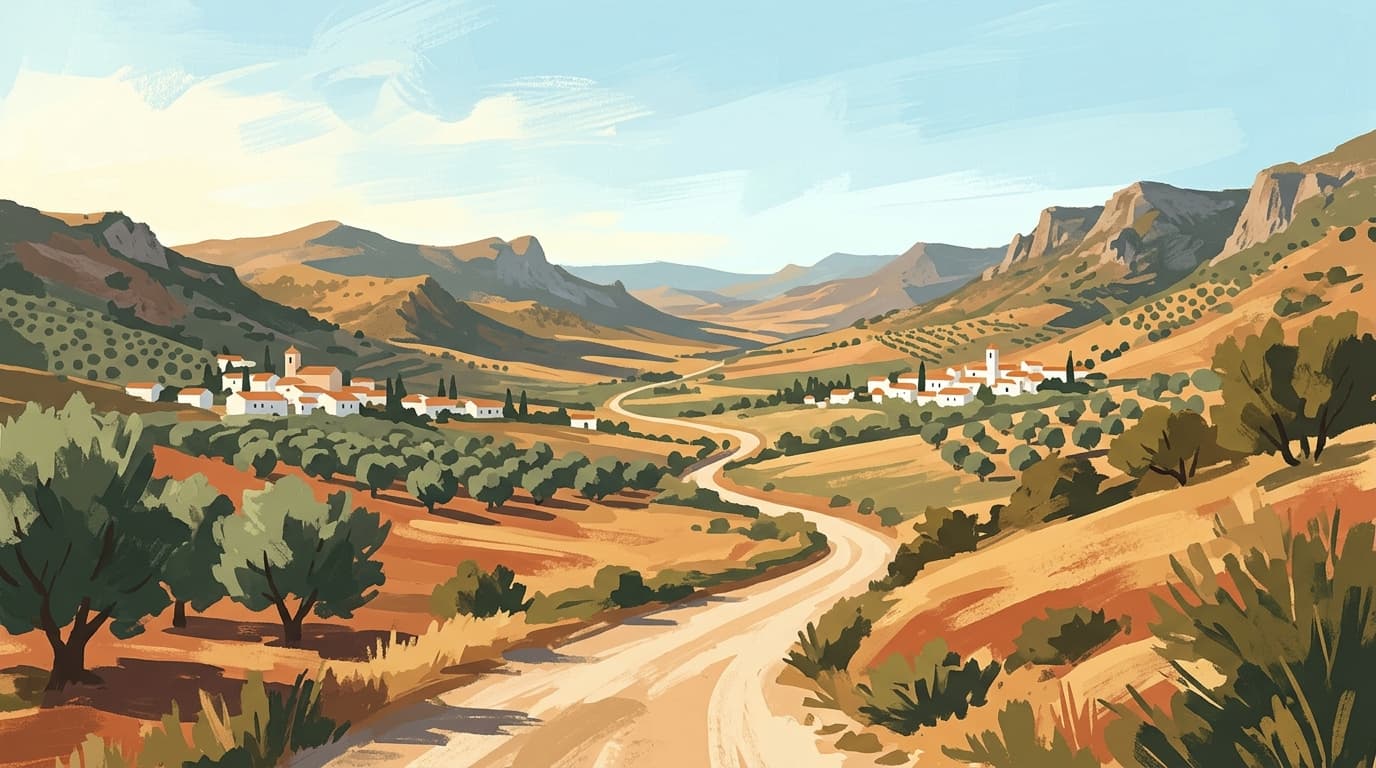
route
The Ultimate Andalucía Photography Route: Chasing Light Across Southern Spain
Forget the bleached-out midday snaps and crowded tourist viewpoints; photographing southern Spain requires an obsession with timing and terrain. This comprehensive route guides you to the exact coordinates and precise hours needed to capture the region's finest architectural geometry and dramatic geology.
route
The Ultimate Andalucía Photography Route: Chasing Light Across Southern Spain
14 April 2026 · 9 min read · 1,990 words
Forget the bleached-out midday snaps and crowded tourist viewpoints; photographing southern Spain requires an obsession with timing and terrain. This comprehensive route guides you to the exact coordinates and precise hours needed to capture the region's finest architectural geometry and dramatic geology.
Southern Spain presents a unique challenge to the photographer. The midday sun is brutal, mercilessly bleaching out detail and casting harsh, unflattering shadows across the landscape. However, if you are willing to set your alarm for 05:00 AM and stay out well past dusk, the region transforms into one of the most compelling visual environments in Europe. This itinerary is not a leisurely holiday. It is a highly specific, targeted route designed for those who want to photograph the sheer drops of the El Tajo gorge in perfect afternoon light, or capture the delicate mocárabes of the Alhambra without hundreds of smartphones disrupting the frame.
We cover roughly 800 kilometres, moving from the stark volcanic coastline of the east to the intricate Moorish architecture of the major cities, before finishing in the sheer limestone peaks of the western mountain ranges. You will need a rental car, a solid understanding of manual exposure, and a willingness to hike down unpaved tracks in the dark to secure the best vantage points.
Stage 1: Granada – Elevation and Architecture
The Alhambra is arguably the most photographed monument in Spain, meaning it is exceptionally difficult to find a unique composition. Do not rely on the Mirador de San Nicolás. While the view is undeniably classic, you will be fighting for physical space with dozens of other people, and the angle is relatively flat. Instead, walk fifteen minutes higher up the Albaicín hill to the Mirador de San Miguel Alto. The elevation here provides a superior angle, allowing you to compress the Alhambra against the snow-capped peaks of the Sierra Nevada using a 70-200mm lens. The optimum time is forty-five minutes before sunset, as the final rays of light hit the red clay walls of the Nasrid Palaces.
When booking your access to the complex [AFFILIATE: Alhambra early access guided tour], secure the earliest possible time slot for the Nasrid Palaces. Tripods and monopods are strictly forbidden inside. You are shooting in low light, so a fast prime lens (f/1.4 or f/1.8) is essential. In the Patio de los Arrayanes, crouch low at the northern end of the pool to capture the reflection of the Comares Tower. If you are there early enough, the water will be completely still, acting as a flawless mirror before the morning breeze and the crowds disturb the surface.
Beyond the Nasrid Palaces, the Generalife gardens require a different approach. Here, you are dealing with harsh contrasts between the shaded walkways and the bright Andalusian sky. Use your camera's auto-exposure bracketing feature to capture high dynamic range (HDR) exposures, allowing you to blend the heavily shadowed cypress trees with the bright fountains in post-processing without blowing out the highlights.
Stage 2: Córdoba – Geometry and Shadows
The Mezquita-Catedral is a masterclass in repetition and vanishing points. The iconic red-and-white horseshoe arches stretch out in every direction, but the lighting is incredibly dim. Security staff will quickly stop you if you attempt to set up a tripod. Your best strategy is to use a camera with excellent in-body image stabilisation (IBIS) and brace yourself against the stone columns. Keep your aperture wide and push your ISO as high as you comfortably can without introducing excessive noise. Be highly aware of your camera's metering system here; the contrast between the dark interior and the bright light flooding in through the open doors to the Patio de los Naranjos will easily fool your sensor into underexposing the shadows.
Beyond the Mezquita, Córdoba's photographic appeal lies in its courtyards. During May, the city hosts its annual patio festival. This presents a specific technical challenge: the contrast between the brilliant whitewashed walls and the highly saturated red geraniums is extreme. If you shoot at midday, the walls will blow out, and the flowers will lose their texture. You must arrive exactly when the patios open at 10:00 AM. Use a circular polarising filter to cut the glare on the waxy leaves of the plants, bringing back the deep greens and allowing the red petals to stand out against the white render. Consider joining a specialised walk [AFFILIATE: Córdoba Patios guided walking tour] to gain access to the private courtyards before the general public arrives.
Stage 3: Seville – Monumental Scale and Blue Hour
Seville is a city of sweeping curves and monumental architecture, but it requires discipline to photograph well. The Plaza de España is your primary target. If you arrive at 07:30 AM, you will have the 50,000 square metres of brick and tile almost entirely to yourself. The rising sun illuminates the main building, casting long, defining shadows across the semi-circular moat. You will need an ultra-wide-angle lens (14mm to 24mm) to capture the scale of the sweeping colonnades. If it has rained the night before, use the puddles on the main concourse for symmetrical reflections.
By midday, Seville's light becomes unworkable. Retreat to the narrow alleys of the Barrio Santa Cruz [AFFILIATE: Seville boutique hotel near Barrio Santa Cruz]. The tight streets block out the direct sun, creating pockets of soft, bounced light that are excellent for street photography and isolating architectural details.
As evening approaches, head to the Metropol Parasol, known locally as Las Setas. Purchase your ticket for the rooftop walkway well in advance. The undulating, waffle-like wooden structure is notoriously difficult to expose correctly during the day, but at blue hour, the warm artificial lighting of the structure contrasts beautifully against the deep blue of the sky. Bring a miniature tabletop tripod; while full-size tripods are rarely allowed, a small support rested directly on the handrails usually goes unnoticed by security.
Stage 4: Ronda and the White Villages
Driving the mountain roads of the west is where your rental car becomes essential [AFFILIATE: Rentalcars.com Andalusia]. The A-397 from the coast up to Ronda offers numerous pull-outs with sweeping views over the Mediterranean, but the primary goal is Ronda itself.
The classic image of the Puente Nuevo bridge spanning the 120-metre-deep El Tajo gorge is not taken from the town. You must hike down. Take the unpaved Camino de los Molinos, which winds down the western side of the gorge. Halfway down, you will find an old ruined archway that provides perfect foreground interest framing the bridge above. Do not shoot this at sunrise; the bridge face is in deep shadow. You need to be here in the late afternoon, around two hours before sunset, when the light strikes the stonework directly, bringing out the warm yellow and orange tones of the masonry.
From Ronda, drive the A-374 and A-384 through the limestone peaks to the village of Olvera. Olvera is best photographed from a distance. As you approach from the south, pull over on the hard shoulder where safe. Use a telephoto lens (at least 200mm) to compress the scene. This technique makes the whitewashed houses appear tightly stacked beneath the imposing Castillo Arabe and the neoclassical Iglesia de Nuestra Señora de la Encarnación, exaggerating the dramatic topography of the settlement.
Next, take the scenic A-2300 towards Zahara de la Sierra. This road skirts the edge of a vast, turquoise reservoir. Stop at the designated viewpoints along the road to capture the village, which spills down the side of a steep hill, perfectly reflected in the water below if the wind is calm. If you have time, divert along the CA-9104 to Grazalema. The winding road over the Puerto de las Palomas mountain pass provides incredible vantage points. Stop at the Mirador Puerto de las Palomas for a sweeping shot of the valley. Be warned: this road is subject to extreme crosswinds, making a sturdy tripod essential if you attempt panoramic stitching.
Stage 5: Almería – The Wild East
The province of Almería offers a completely different aesthetic. This is the driest region in Europe, characterised by volcanic rock formations and arid badlands. The light here is harsher and the atmosphere clearer, making it a brilliant location for stark, dramatic landscapes.
Your first location is the Cabo de Gata-Níjar Natural Park. Base yourself in San José [AFFILIATE: Cabo de Gata photography workshop and accommodation]. Drive south to the Faro de Cabo de Gata lighthouse and walk down the steep dirt track to the Arrecife de las Sirenas. These jagged, black volcanic sea stacks jut out of the Mediterranean. This is the one location on the route where a heavy tripod and Neutral Density (ND) filters are strictly required. A 10-stop ND filter will allow you to shoot exposures of 30 seconds or more in broad daylight, blurring the crashing waves into a smooth, ethereal mist around the harsh rocks. Sunset is the optimal time here, as the sky turns violent shades of magenta and orange.
Inland, the Tabernas Desert provides an entirely different challenge. The AL-3111 road cuts straight through the heart of the badlands. The eroded gullies and dry riverbeds lack colour, relying entirely on shadow and texture for visual interest. Photographing Tabernas under the midday sun results in flat, uninteresting images. You must be on location at first light. As the sun clears the horizon, the low angle casts deep, defining shadows across the eroded ravines, revealing the rough texture of the arid earth.
Practical Information for Photographers
When to Go
Timing your trip is paramount. The months of July and August are entirely unsuitable. The heat exceeds 40°C, the skies are generally a featureless, hazy white, and the sun is too high in the sky to cast pleasing shadows. Late April to late May is optimal. The air is clear, the landscapes are surprisingly green, and you coincide with the spring floral blooms in the courtyards. Alternatively, October offers stable weather, dramatic autumn skies, and significantly softer light throughout the day.
Essential Gear
You do not need every lens in your bag, but you do need range. A standard 24-70mm f/2.8 will handle 60% of your shots. An ultra-wide zoom (16-35mm) is vital for the narrow streets of the Albaicín and the expansive interiors of the Mezquita. A telephoto (70-200mm) is crucial for isolating architectural details and compressing mountain landscapes. A circular polariser is highly recommended to manage the intense glare off whitewashed buildings and the Mediterranean Sea.
The Tripod Caveat
Spain enforces strict rules regarding tripods in historical sites. You will not be allowed to use one inside the Alhambra, the Mezquita, or the Alcázar of Seville. Monopods are usually subjected to the same bans. For night photography in public squares, you are generally fine, though local police in Seville or Granada may ask you to move if you are blocking narrow pavements. A small beanbag or a pocket-sized tabletop tripod can often bypass these restrictions when placed carefully on a wall or ledge.
Driving and Logistics
Hire the smallest car you can comfortably fit your gear into. The historical centres of towns like Arcos de la Frontera, Ronda, and the Albaicín in Granada feature incredibly narrow, winding streets designed for pack animals, not modern vehicles. Attempting to navigate a large vehicle through these areas is a fast route to severely scratching your rental car. Rely on paid underground parking garages on the outskirts of the historical centres and walk in.
Safety and Security
While Andalucía is generally safe, camera theft in major tourist hubs is a reality. In Seville around the Cathedral and in Granada at crowded viewpoints, keep your gear physically attached to you. Do not leave lenses in an open messenger bag while your eye is to the viewfinder. When shooting out of your rental car, never leave photography bags visible on the back seat, even for a five-minute stop at a rural viewpoint; lock everything securely in the boot.
More guides
Roman Andalucía Heritage Trail
Before the Moorish emirs reshaped southern Spain, this territory was the fiercely wealthy Roman province of Baetica, a crucial supplier of olive oil and emperors to the empire. This seven-day route traces the classical footprint across Andalucía, leading you from coastal fish-salting ruins and lonely mountain amphitheatres to the architectural remnants that bridged the fall of Rome and the rise of Al-Andalus.
10 min read
Read guide →
The Alpujarras Complete Guide: High Altitudes and Moorish Footpaths
South of the Sierra Nevada, the Alpujarras is a high-altitude network of steep ravines, ancient irrigation channels, and white villages clinging to the mountainside. This guide covers how to navigate the hairpin bends, where to find the best hiking trails, and which village suits your basecamp needs.
9 min read
Read guide →
Best Weekend Breaks in Andalucía
When you live in southern Spain, the temptation is to spend every weekend repeating the same comfortable Sunday routines. These seven targeted 48-hour itineraries bypass the obvious tourist traps, giving residents and expats a genuine excuse to pack a weekend bag and drive somewhere entirely new.
11 min read
Read guide →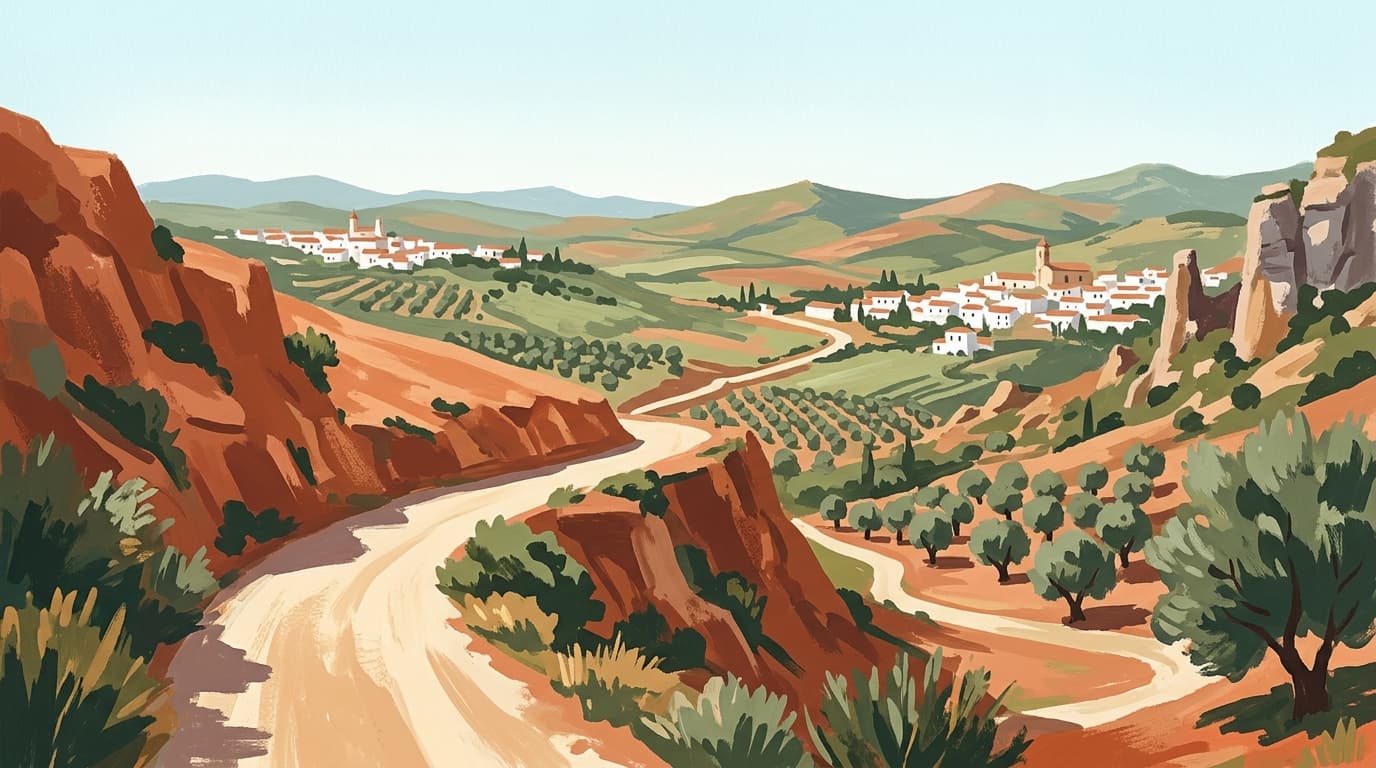
One Week in Andalucía Itinerary: The Classic Triangle & Ronda
Seven days in southern Spain is just enough time to trace the defining Moorish capitals and mountain roads of Andalucía. This itinerary strips away the coastal sprawl to focus entirely on the essential cities of Málaga, Granada, Córdoba, and Seville, returning via the dramatic mountain gorge of Ronda.
9 min read
Read guide →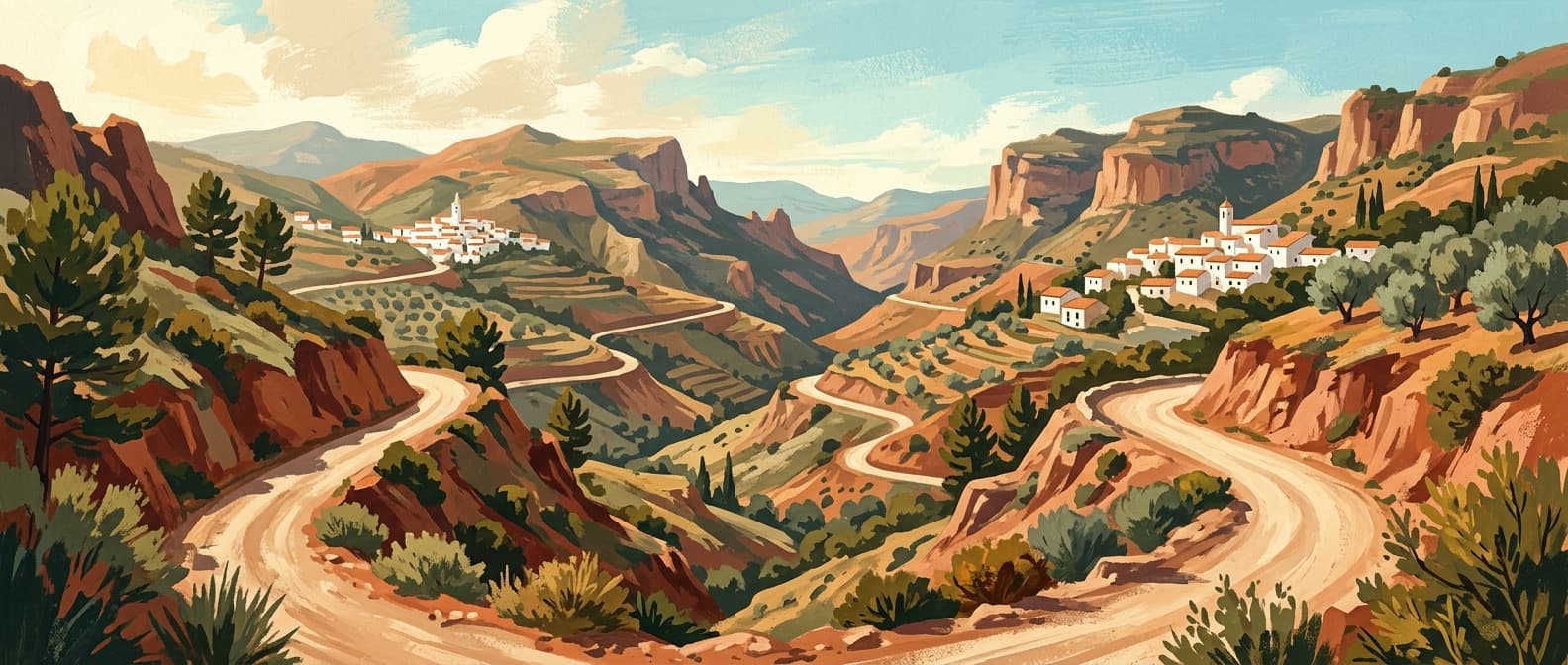
Budget Backpacker Guide to Andalucía
Andalucía on a shoestring is entirely possible if you know where to eat, how to travel, and which timing tricks unlock the region's monuments for free. This guide strips away the tourist premium to show you exactly how to backpack southern Spain on less than €50 a day.
9 min read
Read guide →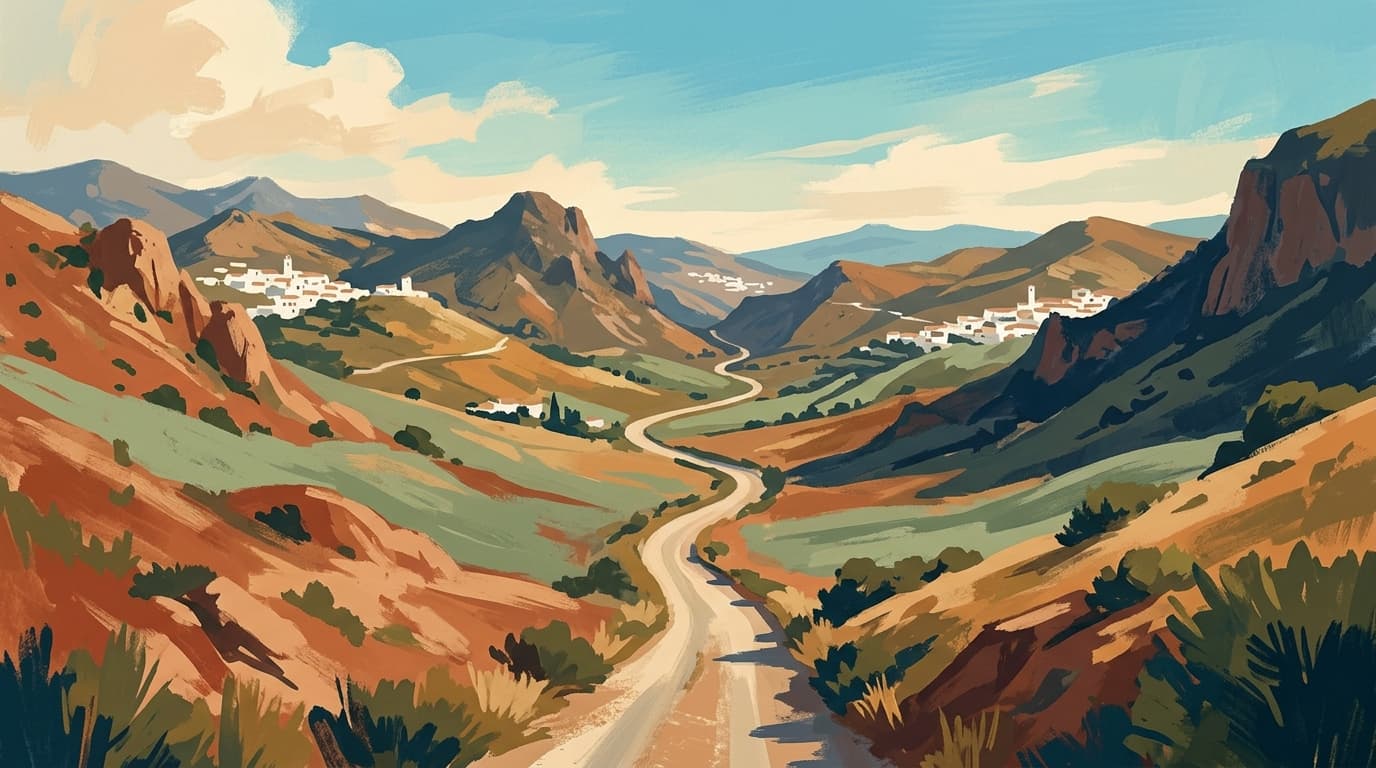
Motorcycle Touring in Andalucía: The Ultimate Rider's Guide
Forget the motorways; Andalucía’s true character is carved into its mountain passes, where immaculate asphalt drapes across deep ravines and high-altitude plateaus. This is a landscape built for motorcycles, offering thousands of kilometres of technical riding without a straight line in sight.
9 min read
Read guide →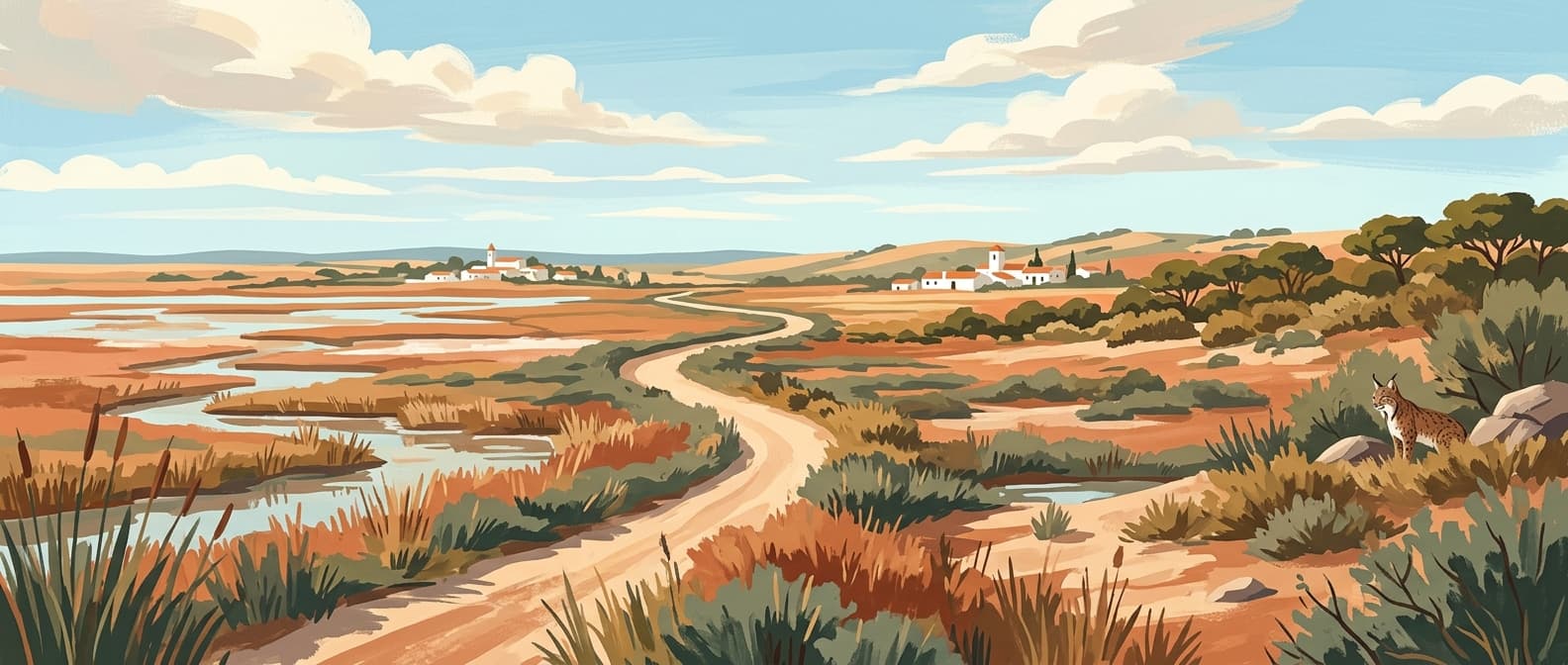
Doñana National Park Guide: Marshes, Lynx, and Restricted Zones
A shifting landscape of tidal marshes, ancient pine forests, and wind-sculpted dunes, Doñana is Europe's most crucial wetland reserve. Navigating its restricted zones requires planning, but the reward is encountering Iberian lynx and thousands of migratory flamingos in total wilderness.
9 min read
Read guide →
Feria de Abril Complete Guide: Surviving and Thriving in Seville's Greatest Week
Seville’s Feria de Abril is notoriously impenetrable for outsiders, a closed-doors celebration of Andalusian high society and endless rebujito. This guide strips away the confusion, detailing exactly how to navigate the public casetas, master the unforgiving dress code, and survive a week on the sand of Los Remedios.
10 min read
Read guide →
Semana Santa Guide: Decoding Andalucía's Most Intense Week
Holy Week in Andalucía is a profound sensory experience of heavy incense, brass bands, and thousands of shuffling feet. This guide decodes the intricate schedules, unwritten rules, and distinct regional styles of Spain’s most intense cultural phenomenon.
9 min read
Read guide →Newsletter
More stories from Andalucía
Weekly notes, seasonal picks, and the next guides worth bookmarking.