Situated at the geographical crossroads of Andalucía, Antequera is a city where five millennia of human occupation are visible in a single afternoon. From Neolithic burial chambers to Baroque bell towers, it offers a profound alternative to the coastal resorts of the Costa del Sol.
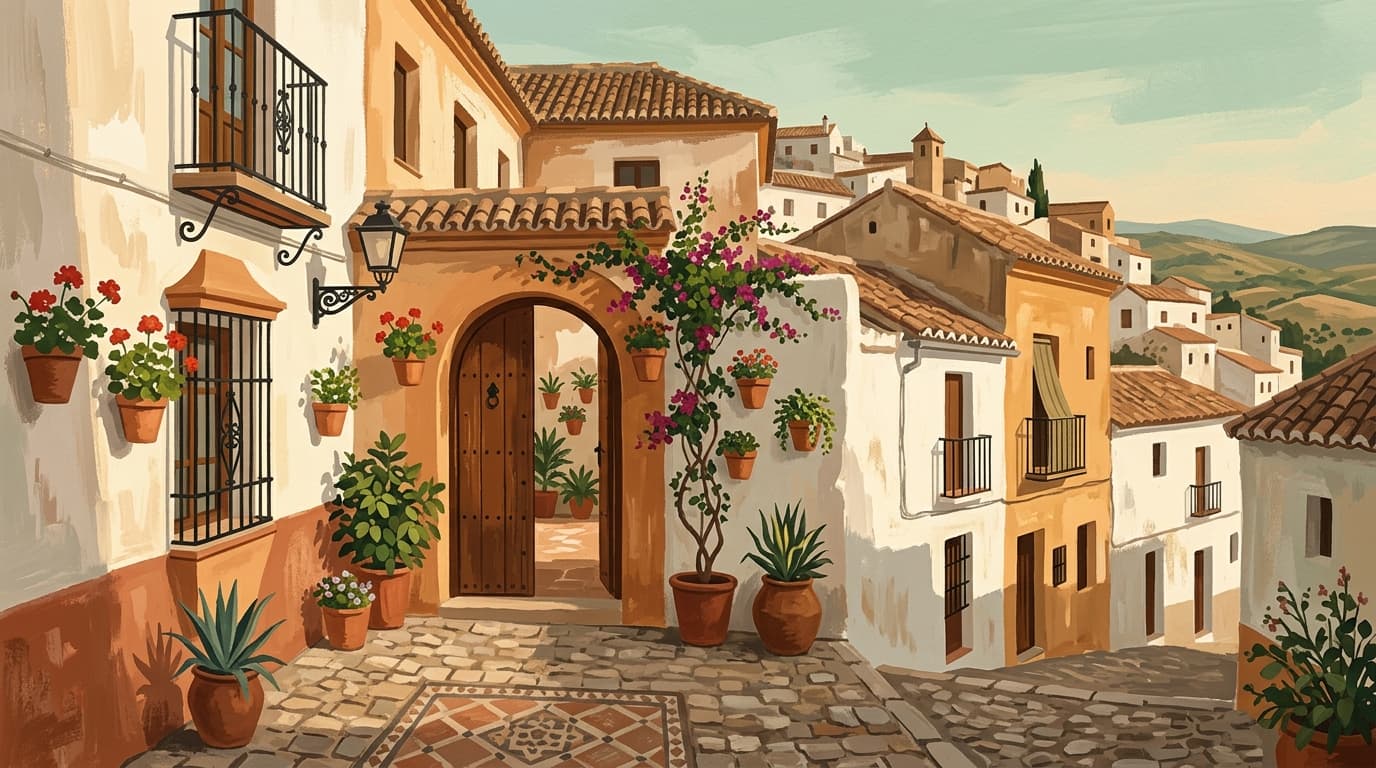
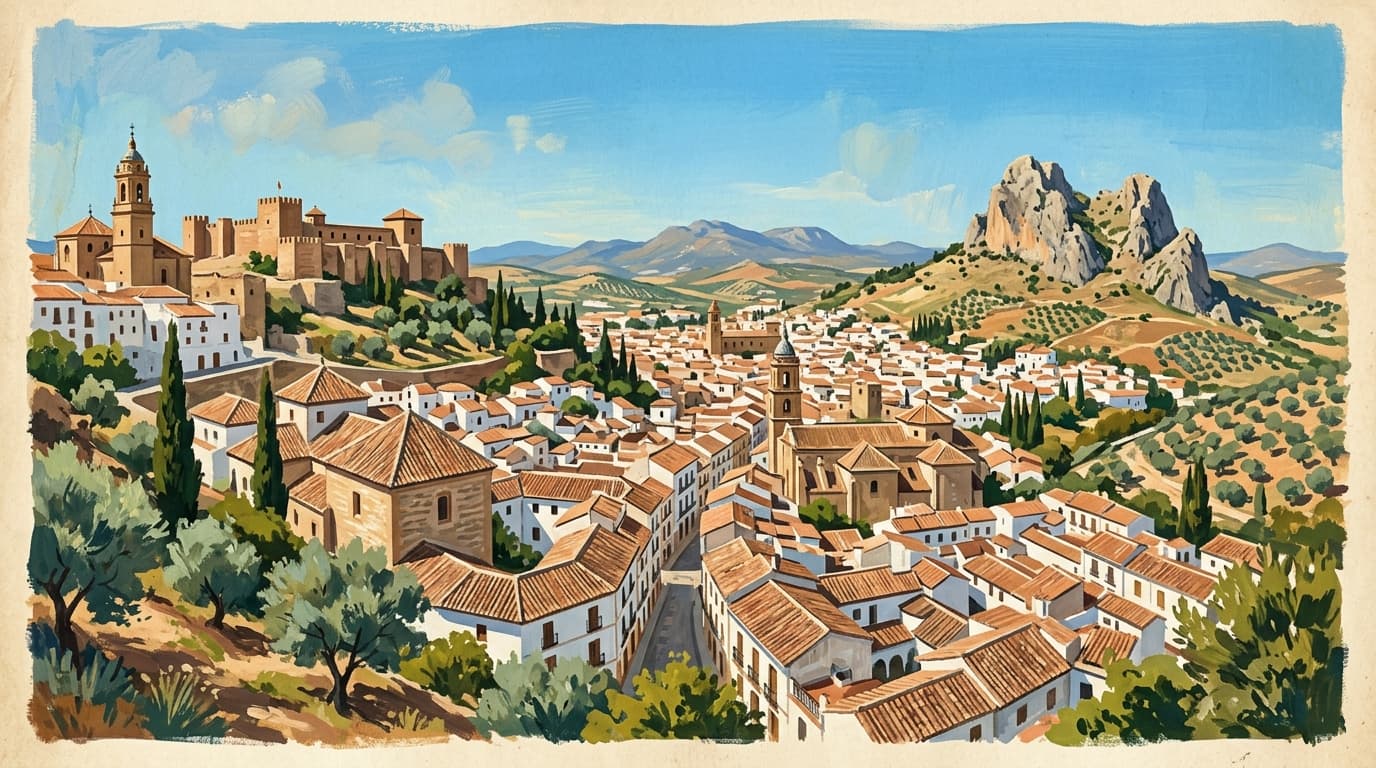
Known as the "heart of Andalucía," Antequera sits at a strategic point where the roads from Seville, Granada, Córdoba, and Málaga meet. This central location has made it a prize for every major civilisation that has occupied the Iberian Peninsula. Today, it remains a handsome, white-washed city of steep streets and heavy wooden doors, framed by the dramatic limestone ridges of the Sierra El Torcal and the iconic "Sleeping Giant" mountain known as the Peña de los Enamorados. It is a place for slow exploration, where the clatter of church bells provides the soundtrack to a walk through layers of Roman, Moorish, and Renaissance architecture.
Despite its proximity to the coast—less than an hour's drive from Málaga—Antequera retains an authentic inland atmosphere. It is a city of churches, having more per capita than anywhere else in Spain, and a gateway to some of the most extraordinary natural and archaeological sites in Europe. Whether you are interested in prehistory or simply seeking a traditional plate of porra antequerana in a shaded plaza, the city provides a deep sense of place that is increasingly rare in modern travel.
What to See & Do
The UNESCO Dolmens Site
The Archaeological Ensemble of the Antequera Dolmens is the city’s most significant cultural asset and a UNESCO World Heritage site. This complex consists of three megalithic monuments: the Menga and Viera dolmens, and the Tholos of El Romeral. Built during the Neolithic and Bronze Ages, these structures are remarkable not just for their size, but for their orientation. Unlike most dolmens in Europe, which align with the sun, the Menga Dolmen points directly at the Peña de los Enamorados, a mountain that resembles the profile of a human face. This indicates a unique spiritual connection between the ancient inhabitants and the natural landscape.
Walking into the Menga Dolmen is a humbling experience. The chamber is constructed from massive stone slabs, some weighing up to 180 tonnes. The sheer engineering required to move and place these stones 6,000 years ago is staggering. A short distance away is the Viera Dolmen, a more conventional corridor tomb, while the Tholos of El Romeral, located a few kilometres away, showcases a different architectural style with its false dome and masonry walls.
El Torcal de Antequera
Fifteen kilometres south of the city lies El Torcal, one of the most impressive karst landscapes in Europe. This natural park was once a seabed during the Jurassic period; over millions of years, the limestone has been eroded by wind and water into extraordinary, stack-like formations. The result is a labyrinth of grey stone that looks almost extraterrestrial. The most famous formation is El Tornillo (The Screw), which has become a symbol of the park.
Visitors can explore the park via three well-marked hiking trails. The Green Route is a manageable 1.5-kilometre loop suitable for families, while the Yellow Route covers 3 kilometres and takes you deeper into the "Lost City" of stone. At an altitude of 1,200 metres, the air is significantly cooler here than in the city, and the views across the province to the Mediterranean are spectacular. Keep an eye out for Iberian ibex, which are frequently seen perched on the rocky outcrops.
The Alcazaba and Royal Collegiate Church
Overlooking the city is the Alcazaba, a Moorish fortress that once served as a primary defensive point against the Christian advance from the north. The main tower, the Torre del Homenaje, provides a 360-degree view of the city’s red-tiled roofs and the surrounding countryside. Adjacent to the fortress stands the Royal Collegiate Church of Santa María la Mayor. Built in the early 16th century, it was the first Renaissance church in Andalucía and features a magnificent façade and a grand interior used today for cultural exhibitions rather than worship.
Walking the City of Churches
Descending from the Alcazaba, the streets of the old quarter are lined with grand manor houses and religious buildings. The Plaza de San Sebastián is the aesthetic centre of the city, home to a beautiful Renaissance fountain and the Church of San Sebastián with its ornate brick bell tower. Further into the centre, the Museum of the City of Antequera (MVCA), housed in the 18th-century Nájera Palace, contains the Efebos de Antequera, a Roman bronze statue considered one of the finest of its kind in the world.
Practical Information
Opening Times:
The Antequera Dolmens are open Tuesday to Saturday from 09:00 to 18:00 (extended until 21:00 in spring and summer) and Sundays from 09:00 to 15:00. They are closed on Mondays. The Alcazaba and Royal Collegiate Church are generally open daily from 10:00 to 18:00. El Torcal Natural Park is accessible at all times, though the Visitor Centre operates from 10:00 to 17:00 in winter and until 19:00 in summer.
Ticket Prices:
Entry to the Dolmens is free for EU citizens (bring a passport or ID) and costs approximately €1.50 for other visitors. A joint ticket for the Alcazaba and the Royal Collegiate Church costs €6.00 for adults, with reduced rates for children and seniors. Access to El Torcal Natural Park is free, though a shuttle bus from the lower car park to the visitor centre costs €2.00 return if the top car park is full.
How to Get There:
Antequera is exceptionally well-connected. By train, the new Antequera AV station (city centre) and the Antequera-Santa Ana station (17km away) serve high-speed trains from Málaga (25 minutes), Madrid (2.5 hours), and Granada (50 minutes). If arriving at Santa Ana, a taxi or local bus is required to reach the town. The ALSA bus service runs frequently from Málaga’s central bus station, taking around 45 to 60 minutes.
Parking:
Driving in the old centre can be difficult due to narrow, one-way streets. It is recommended to use the large public car park in Plaza de Castilla or the parking area near the Plaza de Toros, both of which are within walking distance of the main sights.
Where to Eat Nearby
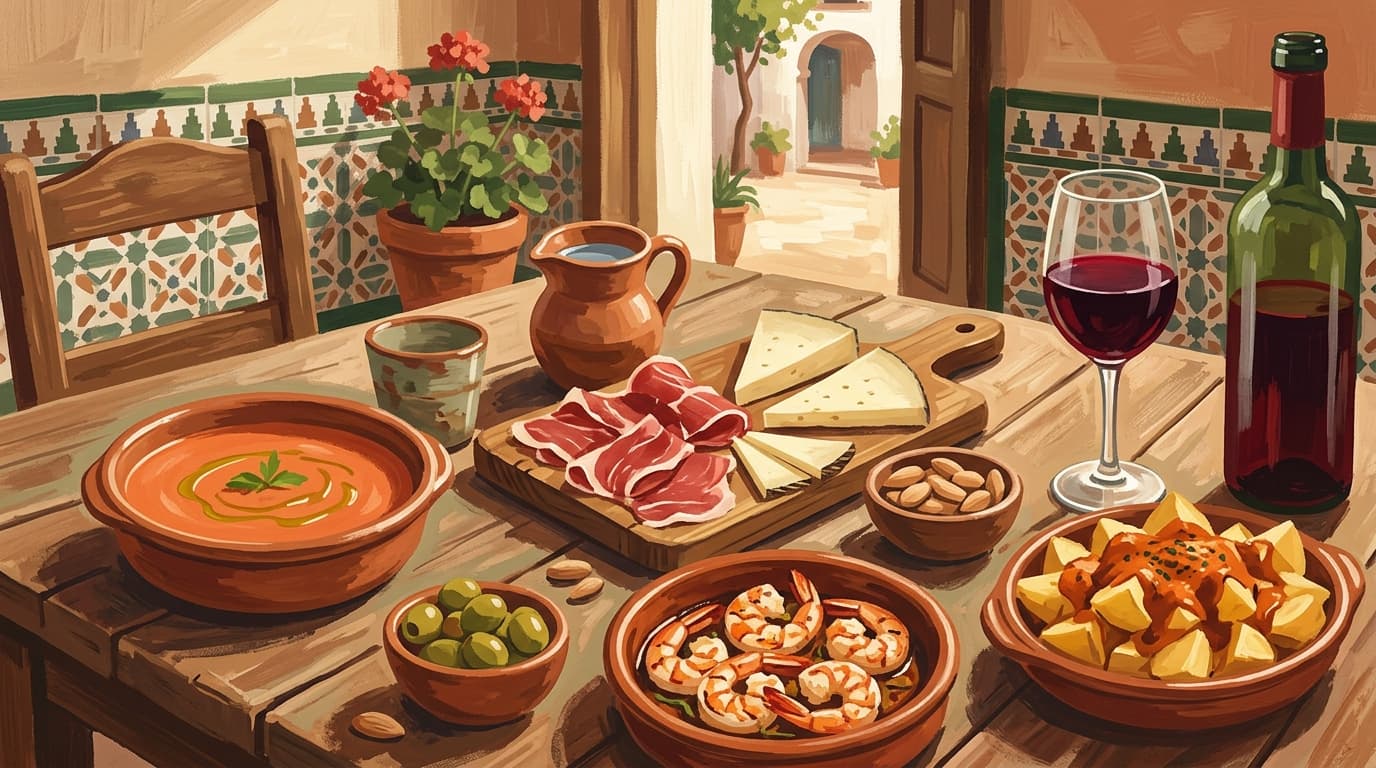
For a true taste of the region, visit Arte de Cozina. Chef Charo Carmona has dedicated her career to recovering forgotten traditional recipes. This is the place to try porra antequerana—a thick, cold tomato and bread soup—or the local almond-based dessert, bienmesabe. For a more casual setting, Mesón Casa Diego near the Plaza de Toros offers excellent grilled meats and local specialities in a traditional tavern environment. Another reliable option is Mesón Las Hazuelas, which serves high-quality tapas and seasonal dishes in a courtyard setting, perfect for sampling the mollete de Antequera, the city’s famous sourdough bread.
Where to Stay
The Parador de Antequera is a modern, comfortable choice with a swimming pool and excellent views of the Peña de los Enamorados, located just a short walk from the historic centre. For those seeking something more atmospheric, Hotel Convento La Magdalena is a converted five-star convent situated in the countryside just outside the city, offering a spa and a peaceful environment amidst olive groves. Within the city itself, several boutique hotels and renovated townhouses provide a more intimate experience close to the main monuments.