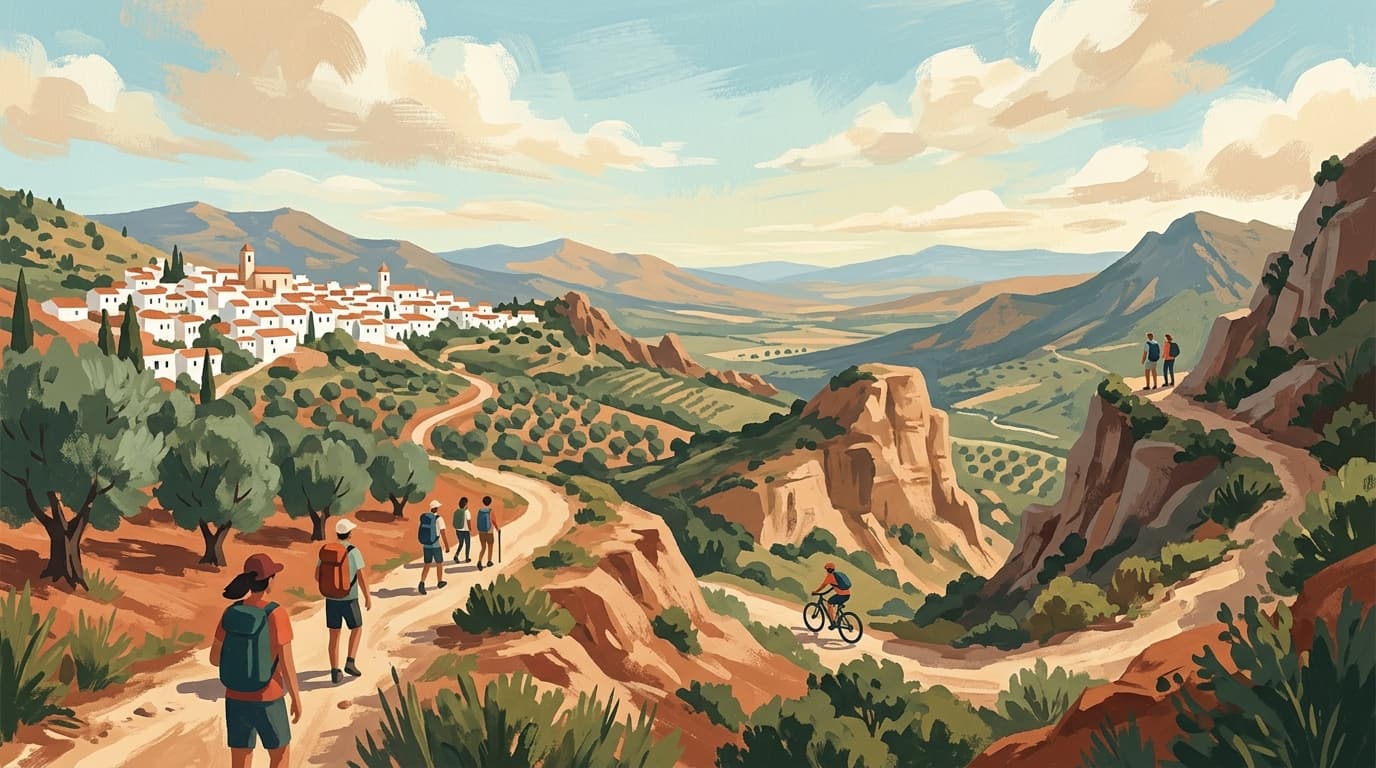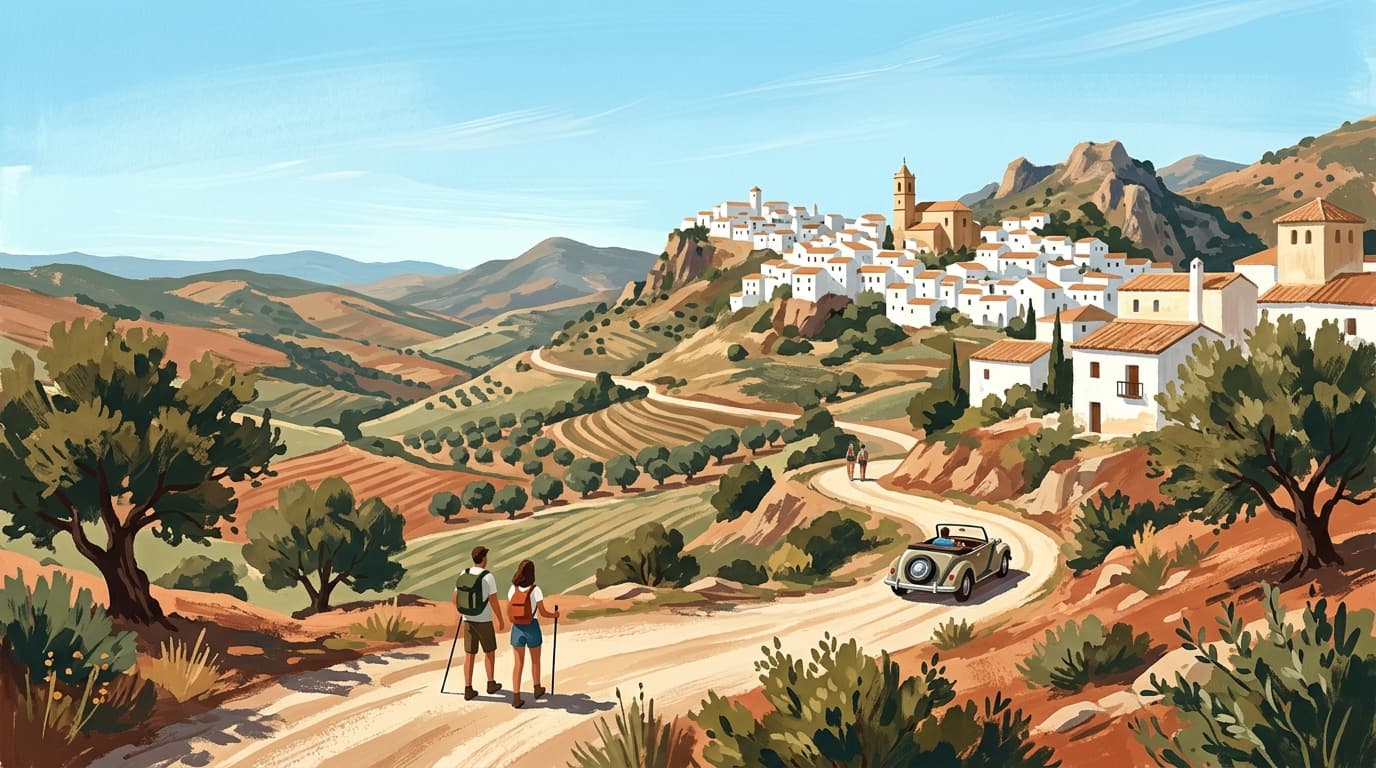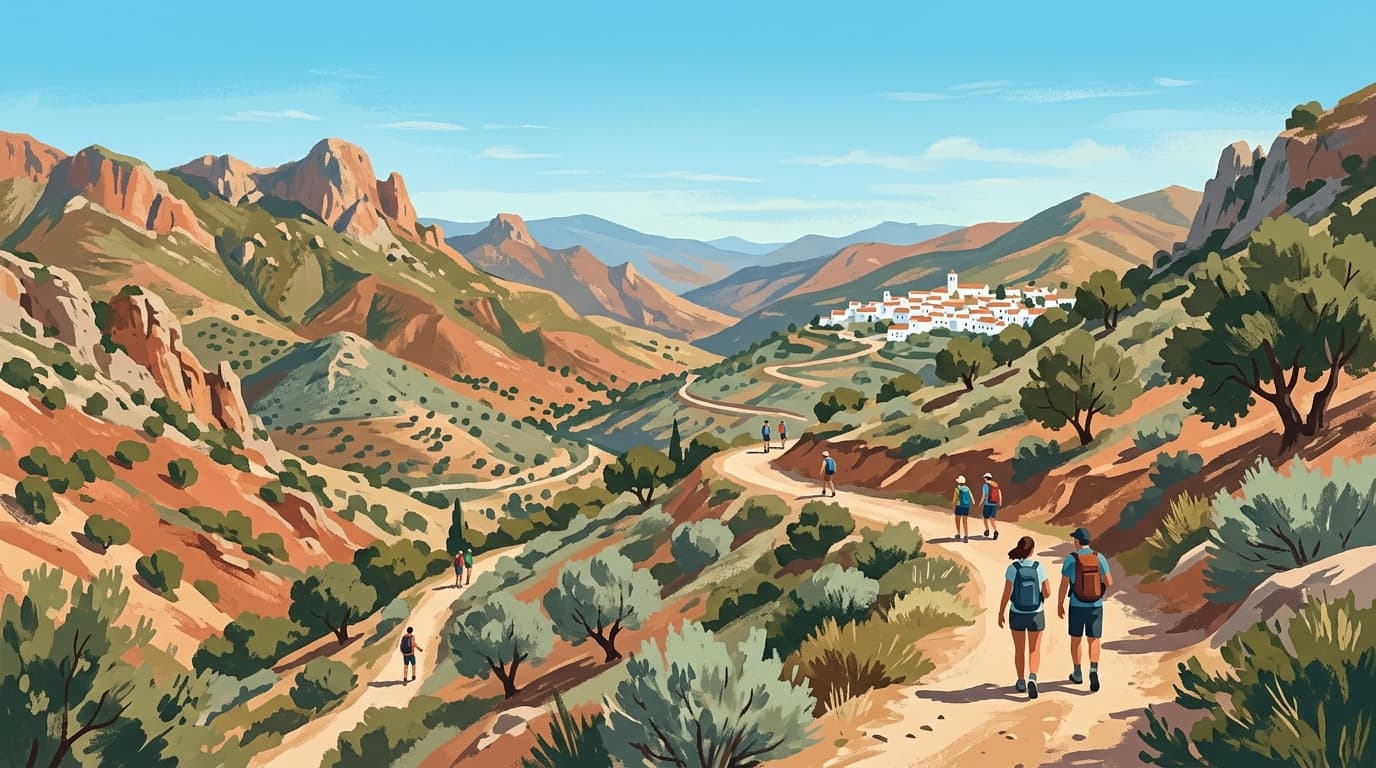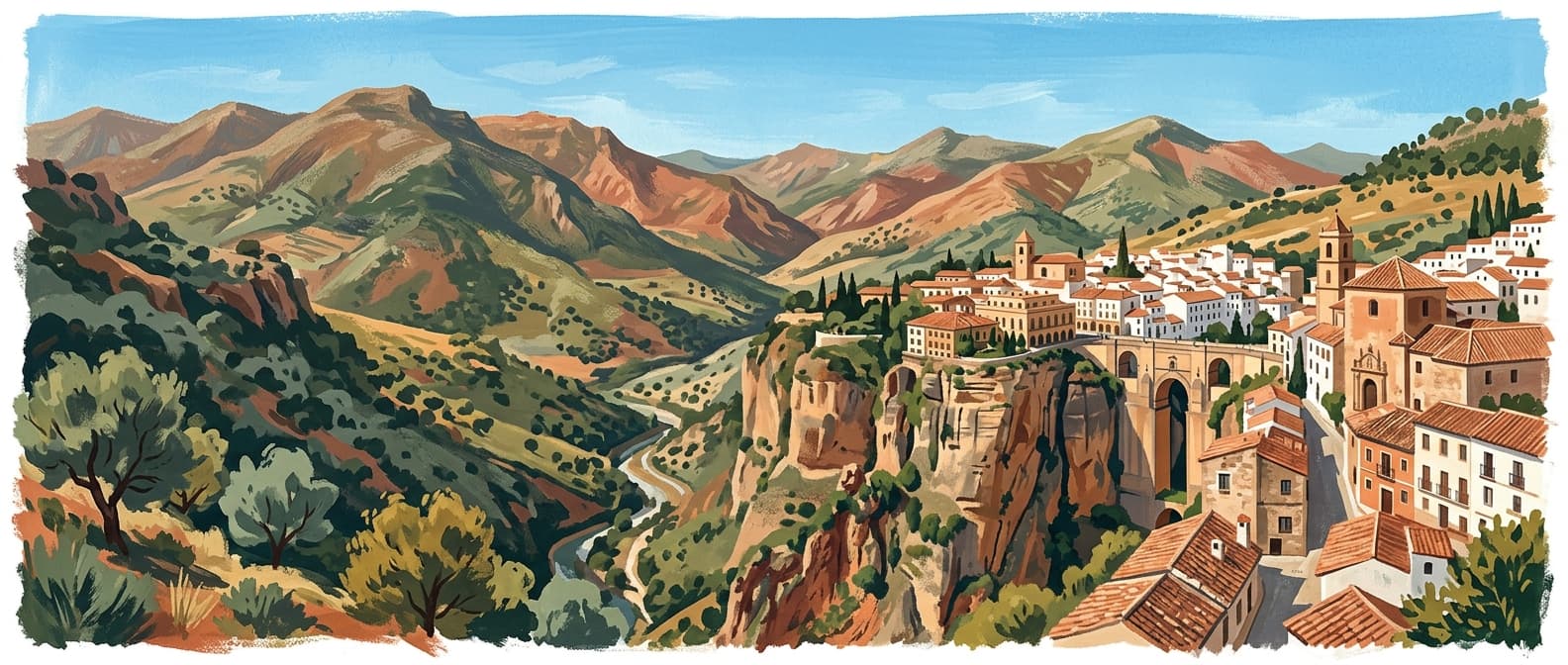
Declared Spain’s sixteenth national park in 2021, Sierra de las Nieves protects a prehistoric landscape where rare Spanish firs cling to limestone ridges. This wilderness offers a rugged alternative to the coast, defined by deep ravines and the highest peaks in the province of Málaga.
For decades, the Sierra de las Nieves was one of Andalucía’s best-kept secrets, known primarily to local hikers and botanists. In 2021, its status was elevated to a National Park, joining the ranks of Doñana and the Sierra Nevada. This designation recognises the extraordinary ecological value of a territory that feels far removed from the sun-drenched beaches of the Costa del Sol, despite being only a short drive inland. The park covers over 23,000 hectares of mountainous terrain, stretching between the Serranía de Ronda and the Guadalhorce Valley.
The landscape is shaped by a complex geological makeup, featuring both limestone and the rare reddish peridotite rock. This diversity creates a dramatic profile of jagged peaks, vertical walls, and some of the deepest cave systems in Europe. The park derives its name from its history as a source of ice; before the invention of modern refrigeration, workers would collect snow from the high peaks and store it in purpose-built wells to be transported to Málaga and Marbella during the summer months. Today, it serves as a sanctuary for rare flora and fauna, offering a quiet, contemplative space for those who appreciate the raw beauty of the Mediterranean mountains.
What to See & Do
The Ancient Pinsapo Forests
The defining feature of the Sierra de las Nieves is the pinsapo, or Spanish fir. This tree is a botanical relic from the Cenozoic era, having survived the last ice age. It is found in the wild only in this region, the Sierra Grazalema, and the Rif mountains of Morocco. These trees create a forest atmosphere that feels more northern European than Mediterranean, with dense, dark green needles and perfectly conical shapes. The most impressive stands are found in the Área Recreativa Los Quejigales and Puerto Saucillo. Walking through these ancient groves, some of which feature specimens several hundred years old, is a quiet, atmospheric experience that feels like stepping back into a prehistoric era.
Ascending Pico Torrecilla
At 1,919 metres, Pico Torrecilla is the highest point in the province of Málaga. It is a challenging but rewarding climb for experienced hikers. The most common route starts from Los Quejigales, winding up through the pinsapo forests before emerging onto a high, limestone plateau. Here, the vegetation thins out, replaced by creeping junipers and weather-beaten mountain oaks. Near the summit, hikers pass the Pilar de Tolox, a natural spring that provides a welcome refill of cold mountain water. On a clear day, the view from the top is immense, stretching across the Mediterranean to the Rif mountains of Africa and across to the snow-capped peaks of the Sierra Nevada in the east.
The Neveros: The Legacy of the Ice Traders
Near the high ridges, you will find the neveros, or snow wells. These are large, circular pits lined with stone where snow was packed down and insulated with layers of straw. This industry was vital to the local economy until the early 20th century. Several of these wells have been restored, such as those near the Puerto de los Pilones. They offer a fascinating glimpse into the historical human relationship with these mountains, showing how even the most inhospitable heights were once part of a functional industrial landscape.
Subterranean Wonders and Deep Chasms
For those who prefer the world beneath their feet, the park is a world-class destination for speleology. The limestone geology has resulted in a network of vertical shafts and caverns. The Sima GESM is the most famous, plunging to a depth of over 1,100 metres, making it one of the deepest chasms in the world outside of the Himalayas and the Alps. While these deep caves are strictly for professional cavers with specialist equipment, the dramatic sinkholes and cave entrances visible from the surface are a reminder of the vast labyrinth hidden beneath the mountain trails.
Wildlife Spotting
The park is a stronghold for the Hispanic Ibex. These mountain goats are frequently seen skipping across the rocky outcrops or standing defiantly on limestone crags. Large birds of prey are also a common sight; look up to see golden eagles, Bonelli's eagles, and griffon vultures circling on the thermals. During the autumn, the forests come alive with the sound of the berrea, or deer rut, as red deer compete for territory in the lower valleys.
Practical Information
Entry to the Sierra de las Nieves National Park is free, and there are no official opening hours for the landscape itself. However, access for vehicles is regulated to prevent overcrowding and fire risks. The main access points are via the towns of Yunquera, Tolox, El Burgo, and Ronda.
How to Get There: From Málaga, take the A-357 towards Cártama and then the A-354/A-366 towards Yunquera. To reach the popular Los Quejigales trailhead, take the A-397 (Ronda to San Pedro road) and turn off at the signposted forest track at kilometre 14. This track is approximately 9 kilometres long and can be bumpy, though it is usually passable for standard cars.
Parking: Large car parks are available at the Área Recreativa Los Quejigales and Puerto Saucillo. During the peak summer months (usually June to October), the forest tracks may be closed to private motor vehicles to prevent forest fires; in these instances, you may need to park further down and hike or cycle in.
Safety: There are no shops or facilities within the park's core. You must carry sufficient water, especially in summer when temperatures regularly exceed 30°C. Weather in the high mountains can change rapidly, so always pack a windproof jacket and wear sturdy hiking boots.
Where to Eat Nearby
In the village of Yunquera, Asador El Escondite is a local favourite, serving hearty mountain fare such as slow-cooked goat (chivo) and dishes featuring local chestnuts. For a traditional atmosphere, Restaurante Bar Quini, also in Yunquera, offers excellent tapas and plates of locally sourced venison and wild boar. If you are entering the park from the El Burgo side, Mesón Los Caballos provides a rustic setting for enjoying grilled meats and seasonal vegetable stews. Most village restaurants specialise in 'cocina de cuchara' (spoon dishes), which are perfect after a long winter hike.
Where to Stay
For a comfortable stay with panoramic views, Hotel Cerro de Hijar in Tolox is situated on a hillside overlooking the park, offering a peaceful retreat and a highly-regarded restaurant. Camping Sierra de las Nieves in Yunquera provides wooden bungalows and tent pitches for those who want to stay closer to the trails. Alternatively, the Parador de Ronda offers a luxury base in the nearby city of Ronda, located approximately 30 minutes from the park's western entrance.